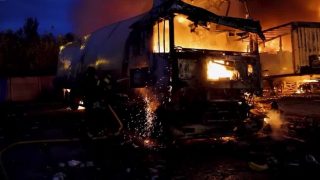


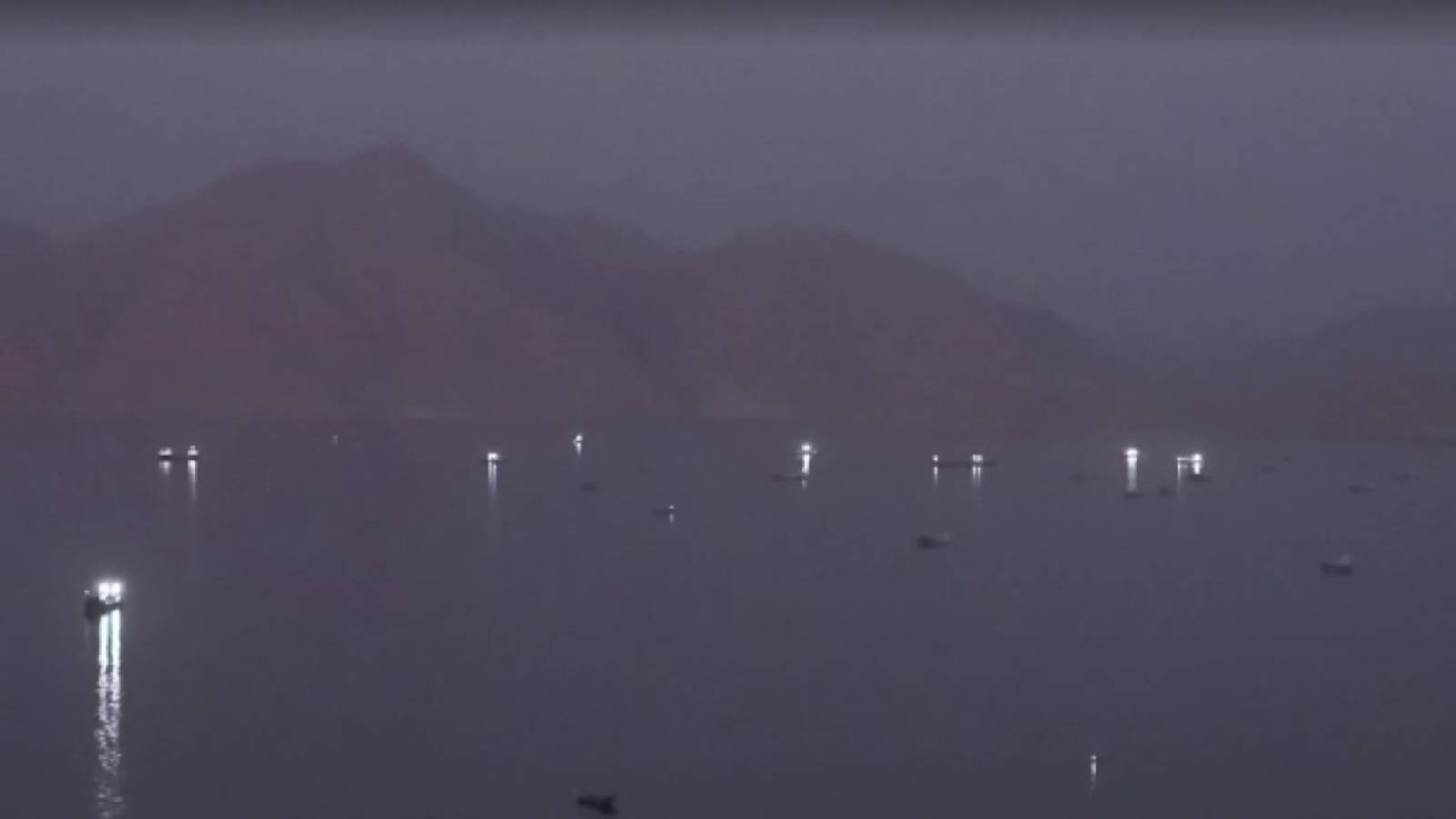


Iran has warned that continued military action against Tehran could trigger a wider regional confrontation, with a senior security official saying the country is prepared to expand its response as the Islamic Revolutionary Guard Corps (IRGC) Navy claimed it struck four oil-carrying vessels in the Persian Gulf and reported three others catching fire after hitting naval mines near the Strait of Hormuz.
Mohsen Rezaei, secretary of Iran's Supreme National Security Council, said on Thursday that Tehran preferred diplomacy but was prepared for further confrontation if the conflict continued, according to Iranian state broadcaster Islamic Republic of Iran Broadcasting (IRIB).
“Everyone should know that action against Iran has a cost. If diplomacy can create this understanding, we prefer diplomacy; but if the war continues, Iran has the necessary tools to continue responding,” Rezaei said, according to IRIB.
He claimed Iran had not deployed all its capabilities during earlier stages of the conflict and could expand its response depending on the intensity of further military action.
“The continuation of the current situation will have strategic consequences, including the fact that energy markets will not calm down for the next 3 years,” he said, warning of prolonged disruption to global energy markets.
Rezaei also claimed the conflict had shifted regional dynamics in Iran's favour, saying Gulf states were reassessing their relations with Tehran and questioning Washington's ability to protect its military installations in the region.
Separately, the IRGC Navy warned the United States against encouraging vessels to use what it described as an illegal, mined maritime route through the Strait of Hormuz, saying continued actions could extend the confrontation to US military bases in the region.
In a statement carried by the IRGC's official outlet Sepah News, the navy said four vessels carrying oil cargoes had crossed an “illegal” route despite prior warnings to the maritime companies operating them. The ships were detected while conducting ship-to-ship oil transfers in the northern central Persian Gulf and were struck simultaneously, setting them on fire, it claimed.
The navy also said three other vessels caught fire after striking naval mines west of the Strait of Hormuz on Wednesday night, forcing them to stop. The claims have not been independently verified.
“The arrogant US regime's insistence on inciting vessels to pass through the illegally mined passage has increased maritime accidents day by day,” the IRGC Navy Command said, warning that the confrontation could spread to US bases if Washington continued its actions.
The force maintained that it continued to manage and control the Strait of Hormuz, a strategic waterway through which a significant share of the world's oil shipments passes. Iran tightened restrictions on the strait on February 28, barring safe passage for vessels it considers affiliated with Israel and the United States following joint strikes on Iranian territory, according to the report.
Meanwhile, US President Donald Trump said on Wednesday that Washington was not negotiating with Tehran but expected a development “fairly soon”.
Speaking to NewsNation's White House correspondent Libbey Dean, Trump gave an uncertain response when asked about ongoing negotiations.
“A little bit, but we'll see what happens,” he said when asked whether talks were taking place. Asked whether he had stopped negotiating with Iran, Trump replied: “No, I think we're not negotiating... we are going to have something, one way or the other. It'll happen fairly soon.”
Trump described the confrontation as “a little conflict against Iran” and said the United States was performing well militarily and financially. He did not specify what action he expected or provide a timeline.
The latest developments come amid a report by The New York Times that the United States and Israel have drawn up plans for renewed strikes on Iran after the US midterm elections. Tehran has also threatened to unveil a weapon it calls the “father of all bombs”, according to the report.
The escalating tensions have raised concerns over the security of shipping through the Strait of Hormuz and the potential consequences for global energy supplies. Rezaei's warning that energy markets could remain unsettled for years underscores the economic risks if the conflict continues.