



Youth is not a phase; it's a revolution waiting to happen.
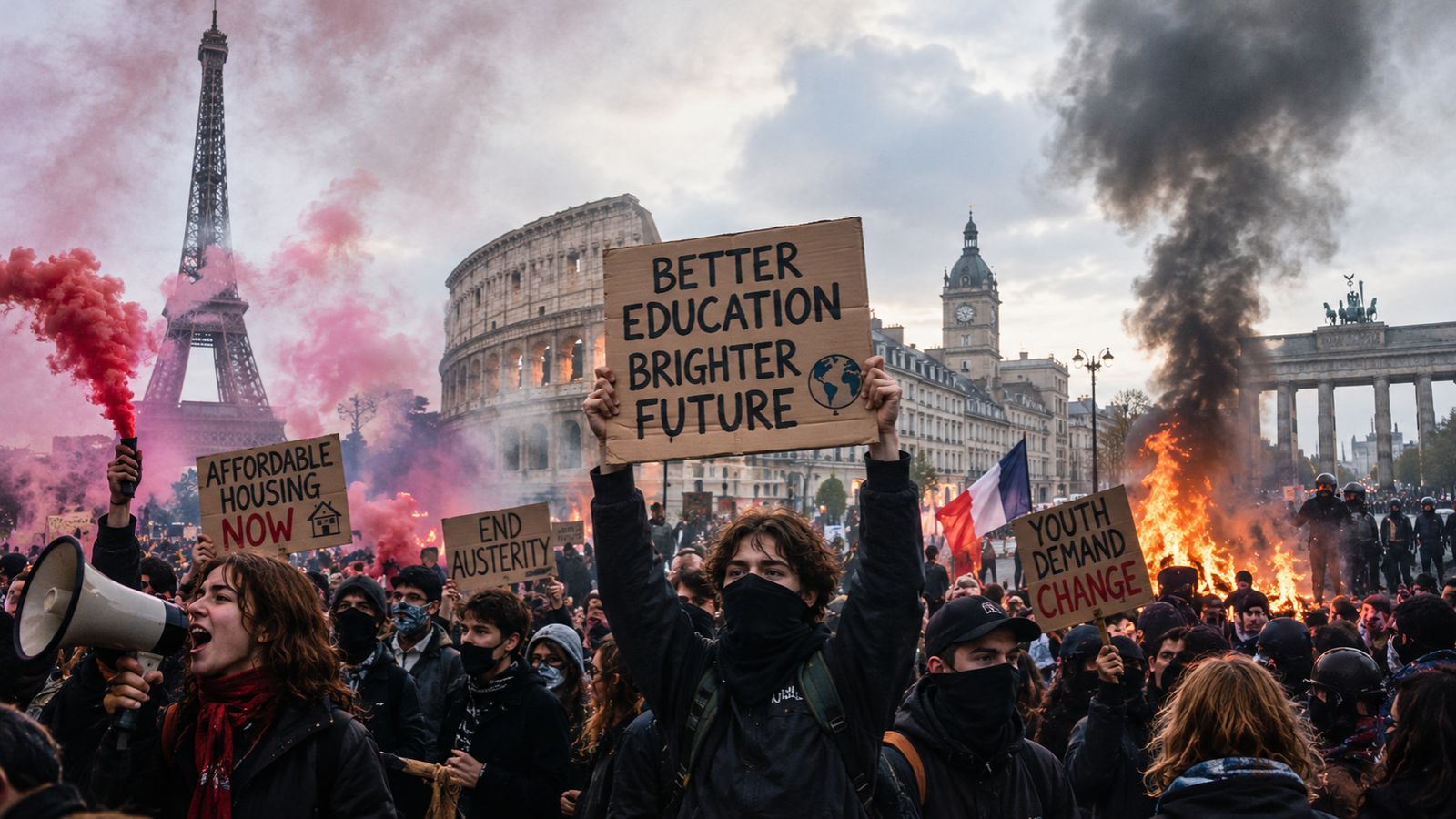
Europe is witnessing a youth uprising. From France to Italy to Albania to Belgium, student-led youth movements are carrying out protests, demanding educational reforms, affordable housing and reduced cost of living among other issues.
There is a pattern in the protests that have caused great discomfort and dissatisfaction to governments. Let’s declutter some of the events.
1) France
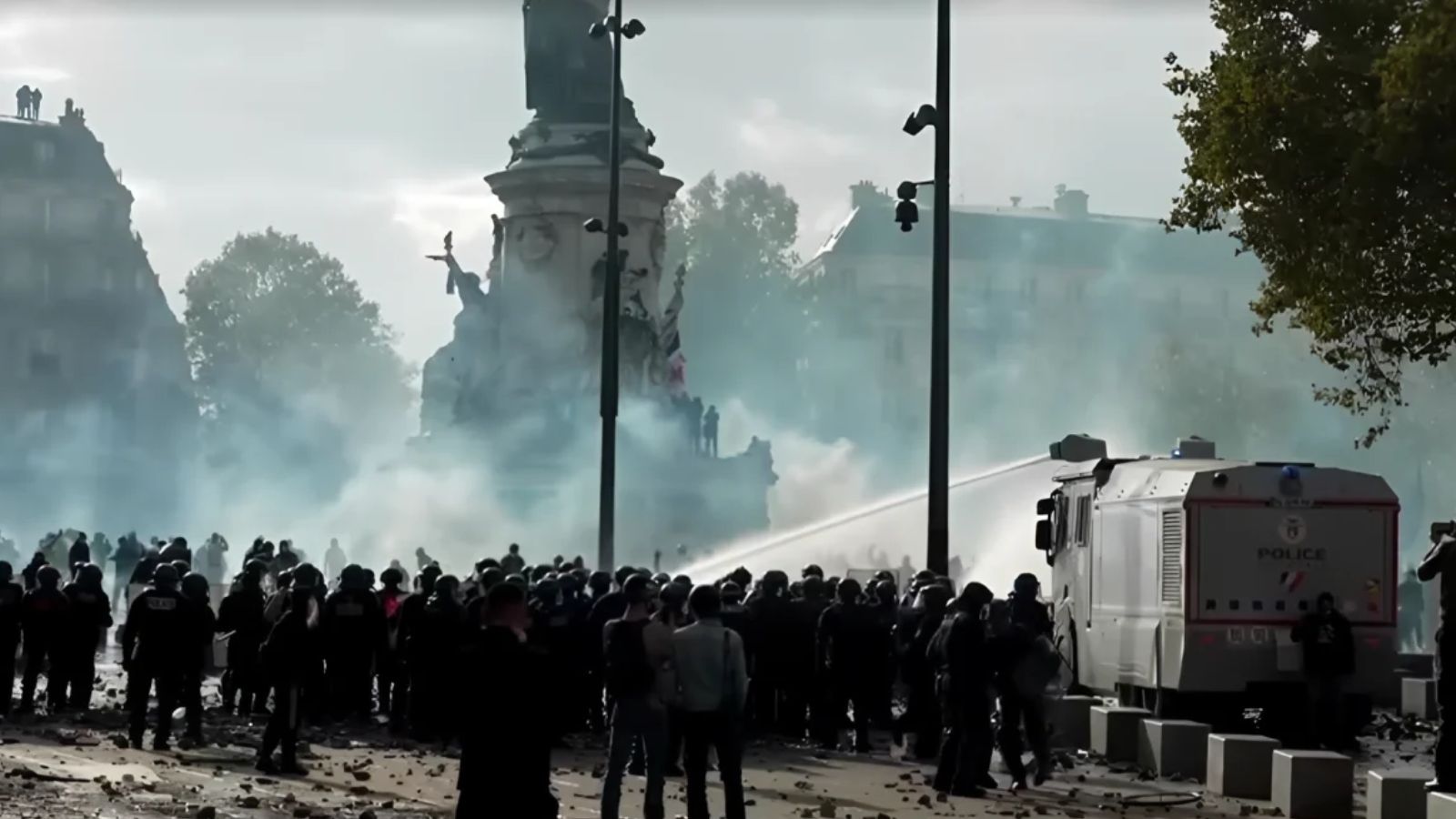
France is witnessing a massive public uprising, which the country's popular Left-wing politician Jean-Luc Mélenchon has called the 'most powerful' youth movement in about 60 years.
The protests were started by high school students in September, highlighting the dilapidated condition of schools, crowded classrooms and teacher shortages.
The events escalated to wider issues such as the cost of living, opposition to austerity and public spending cuts and wages and pensions. The protesting groups grew stronger with teachers, labour unions and many others joining in. Thousands have been arrested so far in connection with the protests.
There have also been violent episodes in connection with the movement, like the burning down of the 140-year-old Limoges Town Hall, attacks on Parisian streets, graffiti on historical monuments, and looting of luxury stores.
2) Spain
Maricarmen Abascal, an 87-year-old woman, ignited the fire of the current protests in Spain. She was evicted from her rental home after an investment fund purchased the building where she had lived for more than 70 years. Abascal lost a lengthy legal battle against rent increases far beyond her pension income, leading to her eviction. She died in early October.
Abascal became a symbol of protest, calling for a fix to the country's housing crisis. Protesters have set up tarpaulin tents in the capital, Madrid, while the movement has spread to more than 50 Spanish cities, including Barcelona, Valencia, Seville and Malaga among others.
The Spanish government was forced onto the back foot, with Prime Minister Pedro Sanchez calling for early elections. The Parliament also stopped the government from passing emergency measures to tackle the crisis. Citing the Spanish government, AP reported that 26% of the country's population that depend on rented housing spend an average of 40% of their income on meeting the expense. The European Union average is 18%.
Protesters clashed with the police during a march on October 3 in Madrid, leading to three arrests. Reuters reported that the police fired rubber bullets at the protesters.
3) Albania
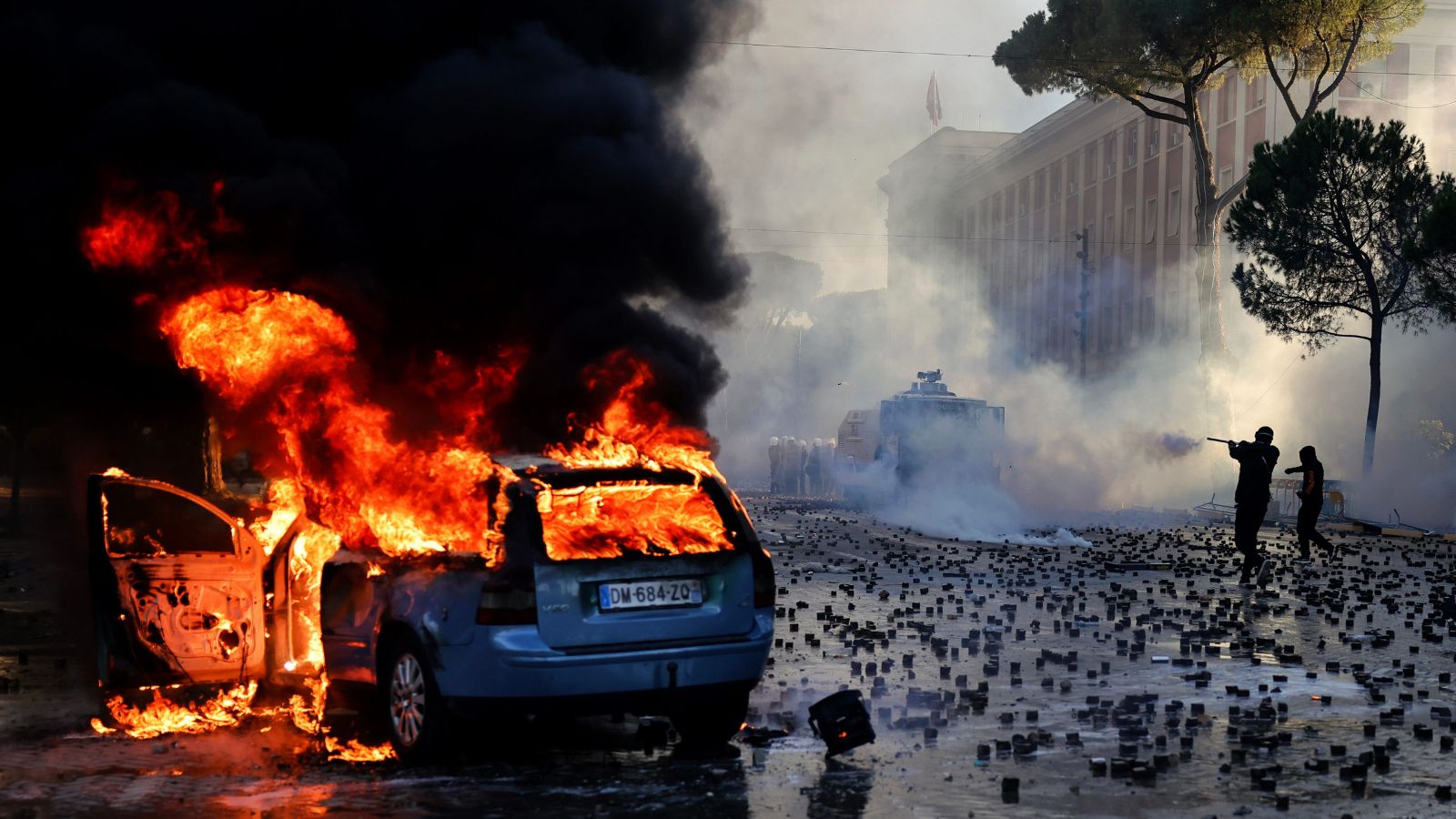
Albania, one of the largest countries in Southeast Europe, along the Balkan peninsula, is also witnessing unrest. The capital city, Tirana, is now facing violent anti-government protests, mostly led by students and the youth.
The students joined the ‘Flamingo movement,’ which started in May against the government for backing the billion-dollar resort project by Jared Kushner, son-in-law of US President Donald Trump. The Flamingo became a protest symbol because it is found in great numbers on the Narta Lagoon, which is close to the Sazan Islands, which is the location for the proposed resort project that is valued at $1.6 billion, as per a report in Al Jazeera.
As per the news agency AP, the protesters are demanding the resignation of Prime Minister Edi Rama over allegations of corruption. Students have been demanding better educational conditions, financial support and affordable higher education.
There have been reports of arson and attacks on public buildings. Reuters quoted Albanian police chief Skender Hita as saying 1,067 people have been arrested and 388 criminally prosecuted. Scores of police officers and protesters have been injured, the police chief said, while denying the use of rubber bullets.
4) Italy
The youth in Italy have taken to the streets, echoing the unrest in neighbouring France. The protesters are angered by the rising cost of living.
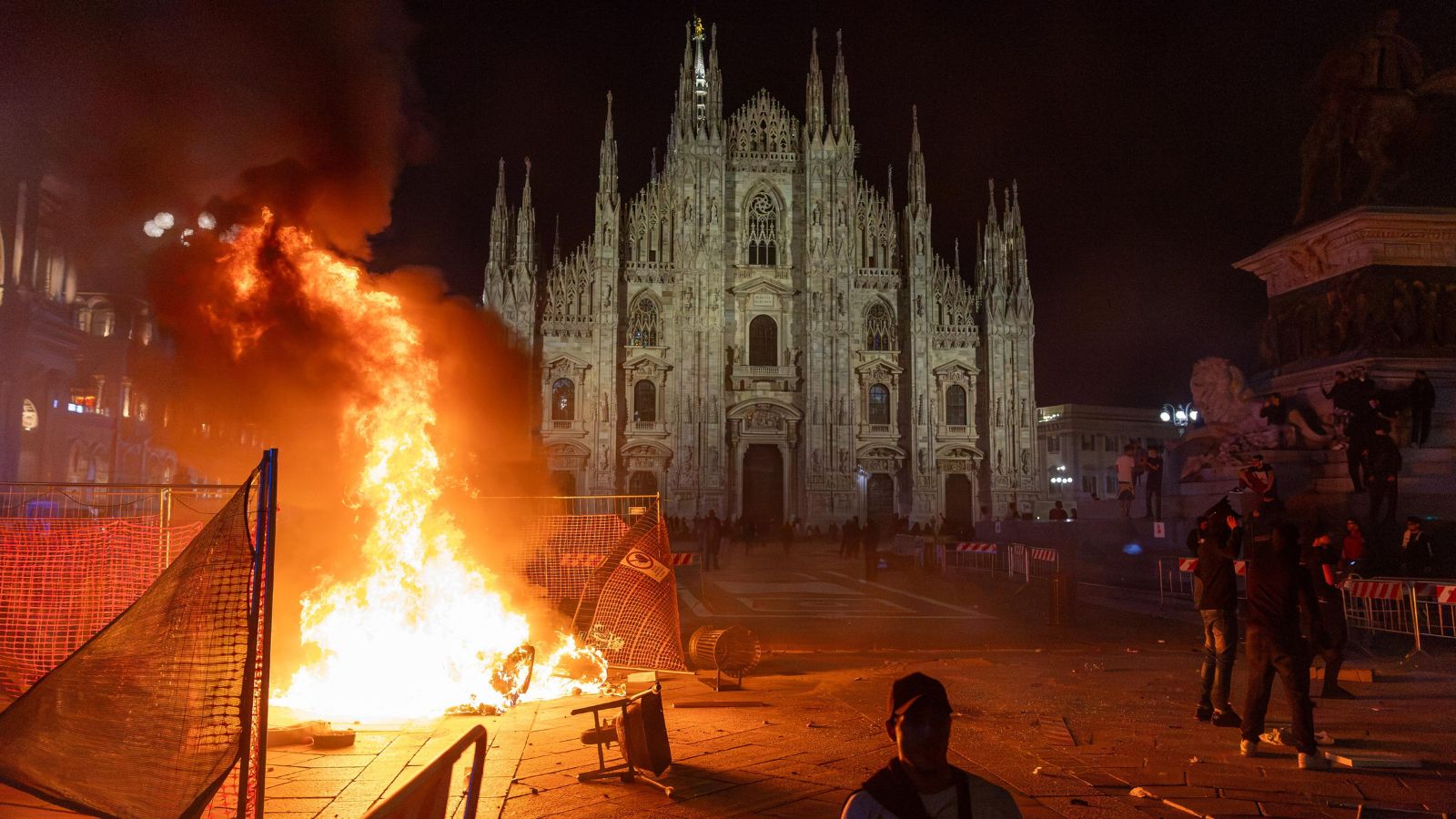
According to various media reports, students and youngsters are heavily involved in the protests that resulted in clashes. AP reported that the protests in Milan turned into riots, resulting in looting of stores and setting fire to properties. An AP report said luxury stores in Milan were looted.
Italian Prime Minister Giorgia Meloni condemned the violence. "To demonstrate is a right. To lay our cities to waste is not," Meloni posted on X. A clash between the police and protesters led to the detention of 50 persons, mainly minors, reported the AP, quoting LaPresse news agency.
5) Belgium
The protests in France and Italy have spilled over to Belgium, which has been witnessing student-led agitations. In early October, a crowd of students took to the streets of Liege, demanding a reduction in tuition fees and better living standards, among other issues.
According to Euro News, the protests also spread to the capital city of Brussels, where some 30,000 people turned out to strike against the government's austerity measures. The protests were largely peaceful, with the youth holding placards, some of which read: "I skipped class to defend class" and "Education is a right, not a privilege."
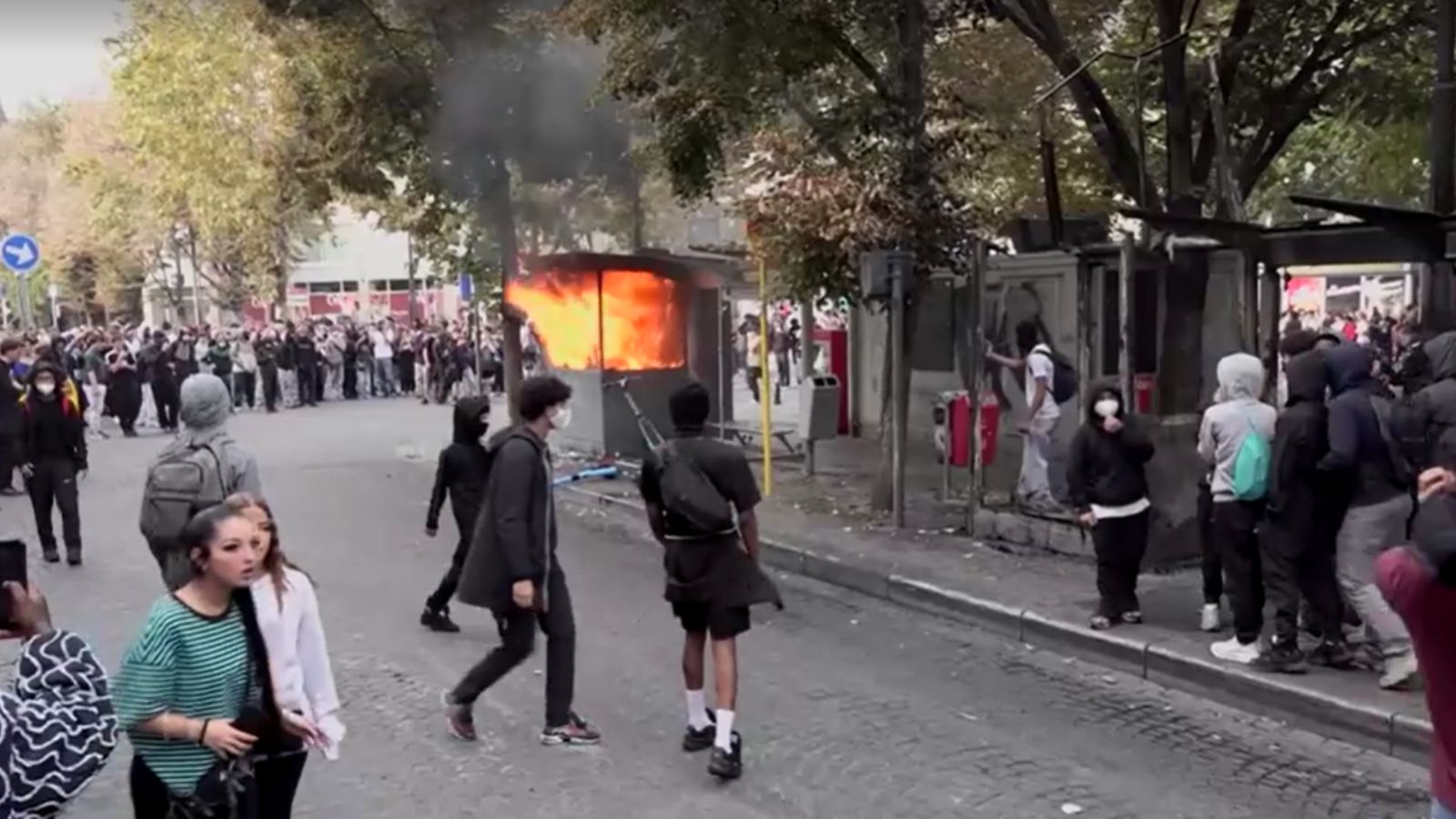
However, there have also been incidents of violence. Le Monde reported that an October 7 protest led to clashes between students and police. As of October 20, 2026, the protests remain in place.
6) Serbia
University students in Serbia have spearheaded anti-corruption protests for nearly two years.
Now they are challenging the political comeback of Serbia’s powerful populist leader Aleksandar Vucic ahead of parliamentary elections on October 25. Vucic, whose Serbian Progressive Party has been in power for 14 years, is seeking to return as prime minister.
The student movement against corruption has formed the Student List, an electoral list. According to AP, the movement has gained huge support among 6.5 million voters in Serbia.
In September, thousands of student-led protesters took to the streets in downtown Belgrade, alleging police brutality. The first wave of the protest was witnessed in November 2024 after a concrete roof at a rail station collapsed, killing 15.
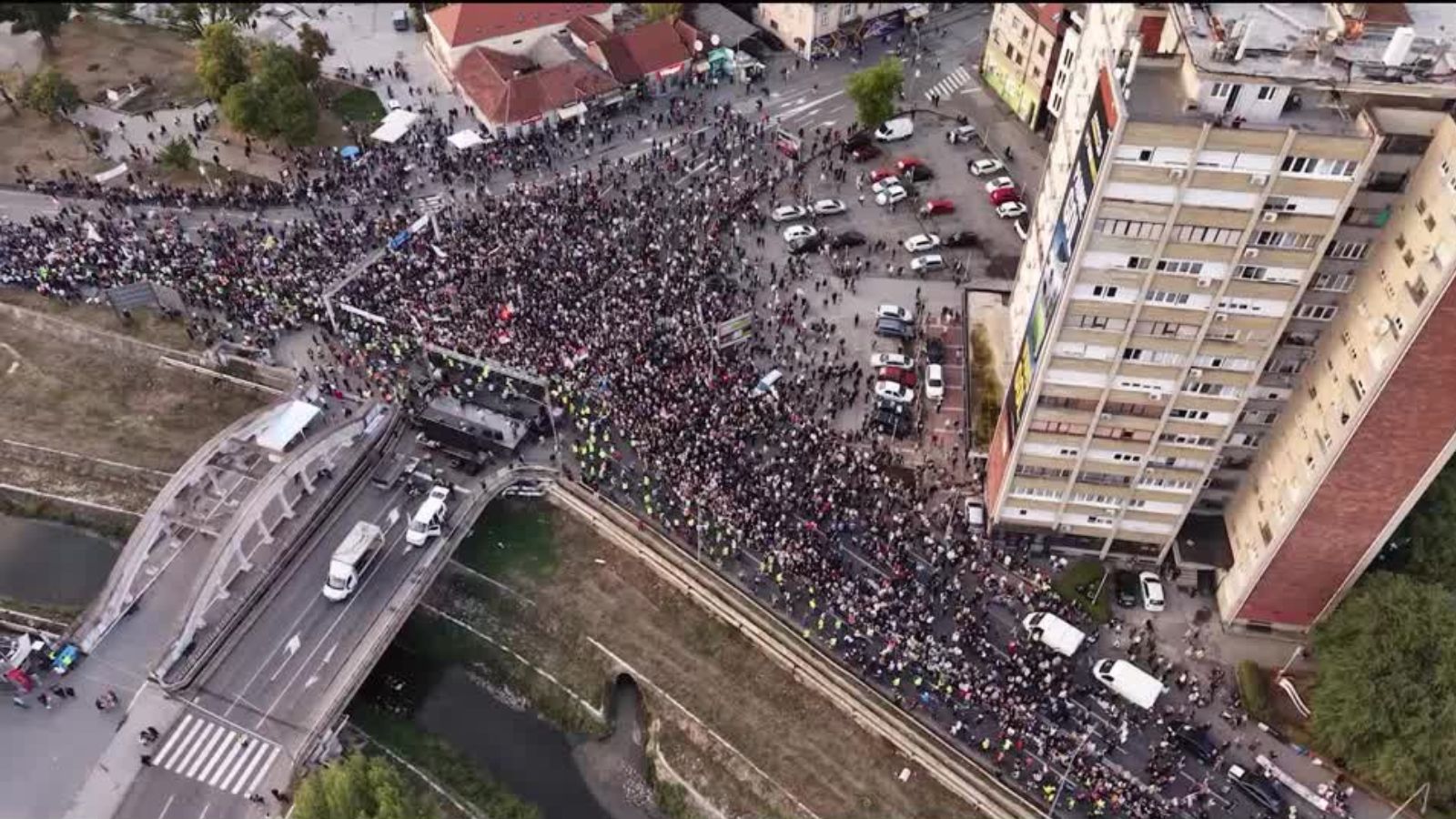
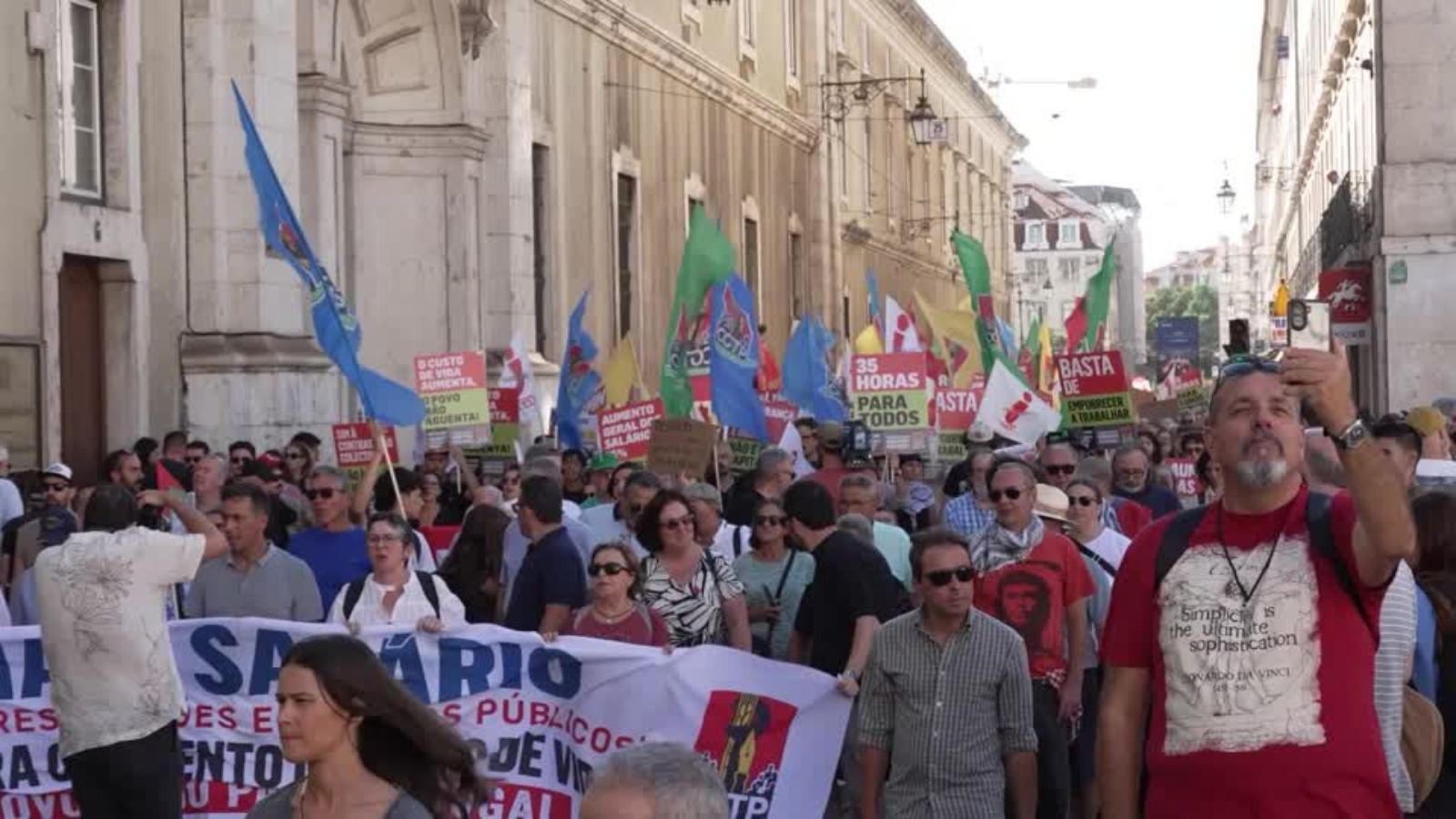
The youth-led movements, driven by students and an increasingly engaged public, have reignited the spirit of resistance among ordinary citizens. There have also been protests in Portugal and Greece, following a similar pattern. The protests are not confined to Europe as demonstrations are seen in countries such as Brazil, India, and Chile.
What is the common thread binding them?
If we analyse the protests in various European countries closely, we can find similar patterns:
- Most protests are led by the youth, mainly students.
- All the protests are directed towards government policies and economic conditions.
- The common demands are more educational funding, better living and working conditions, and accountability.
- Across the countries, protests have led to violence and clashes with police. In some places, vandalism and arson have been reported.