




Nearly three decades after carrying the small white caskets of his cousin's four murdered children, a Tennessee chaplain is drawing on his family's tragedy to advocate against the death penalty as the state faces renewed scrutiny over capital punishment and the case of death row inmate Christa Pike.
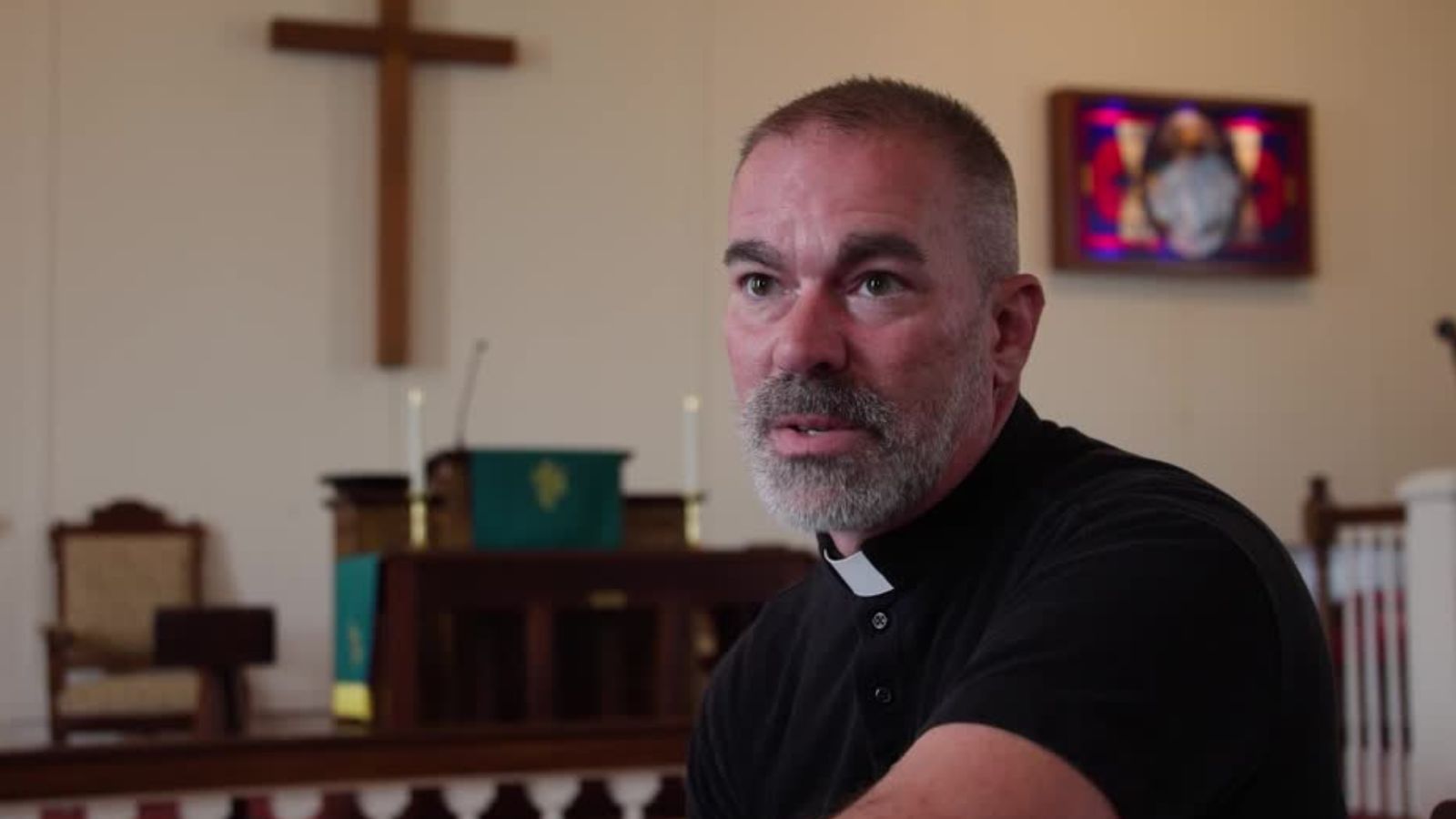
Speaking at Caney Spring United Methodist Church, where he preaches, Reverend Timothy Holton on Saturday recalled how his cousin, Daryl Holton, killed his four children just before Christmas in 1997. Daryl Holton was sentenced to death and spent a decade on Tennessee's death row before waiving his remaining appeals and being executed in the electric chair on September 12, 2007.
The experience became the foundation of a ministry dedicated to people on death row and to the belief that justice should include both accountability and mercy.
"Justice requires accountability and also requires mercy," he said, arguing that life imprisonment can provide closure for victims' families while ensuring those convicted of murder remain accountable.

His opposition to capital punishment is also rooted in what he describes as a lack of support for families affected by executions. He believes the millions of dollars spent carrying out executions could instead be directed toward victim services, counseling, and improvements to the justice system.
Tennessee's death penalty is back in the spotlight with the case of Christa Pike, a convicted murderer who was left gravely ill following the state's failed attempt to execute her by lethal injection this week.
The chaplain, who has met with death row inmates, says his personal experience allows him to recognize the suffering of victims' families without supporting executions. Pike was sentenced to death for the murder of Colleen Slemmer, whose family, he says, was robbed of a lifetime of experiences with their loved one.
With election season approaching, Holton believes capital punishment could emerge as a significant political issue in Tennessee. He says his advocacy and lobbying efforts have already led to numerous conversations with state legislators.