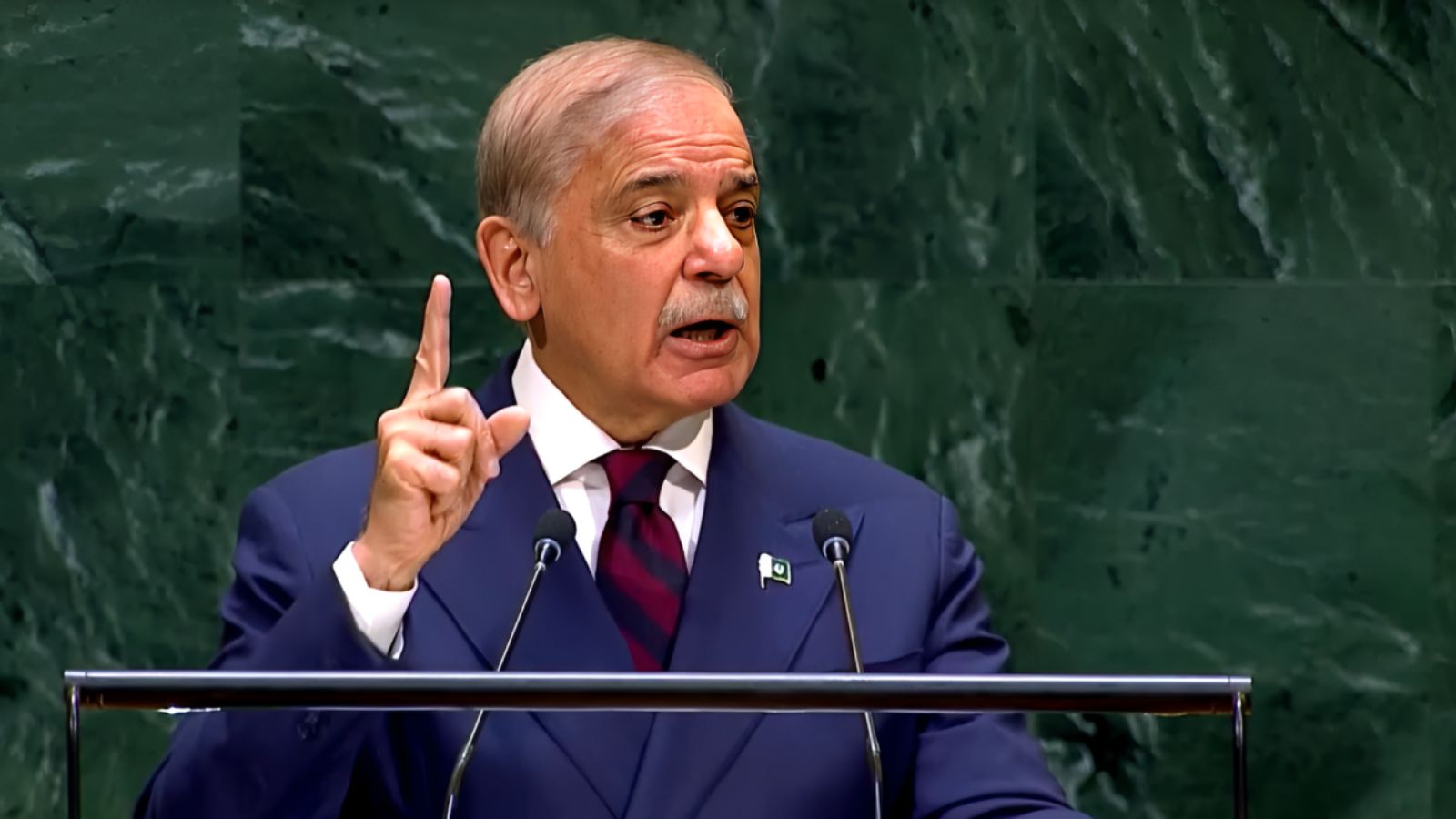


New York: Pakistan’s Prime Minister Shehbaz Sharif warned India on Friday that any attempt to stop, impede or divert Pakistan’s share of the waters of the Indus River system would be treated as an “act of war”, while addressing the 81st United Nations General Assembly in New York.
“Any attempt to stop, impede or divert Pakistan's share of the waters will be treated as an act of war,” Sharif told the UN General Assembly, adding, “India must make no mistake about it.”
Sharif described the shared waters of the Indus River system as the “lifeblood” of Pakistan and the wider region. He alleged that India’s decision to place the existing treaty in abeyance had “no legal basis whatsoever”.
“The shared waters of the Indus River system are the lifeblood not only for the people of Pakistan, but for the entire region. India's unilateral decision to hold the existing treaty in abeyance has no legal basis whatsoever,” Sharif said.
He further claimed that India’s position and actions regarding the treaty had been rejected by UN experts and the Court of Arbitration.
“In fact, both its claims and actions have been rejected by UN experts and, more recently, by the Court of Arbitration. Our legitimate stand that the treaty remains valid, binding and fully operative has been vindicated beyond any ray of doubt,” he said.
“Water must never be weaponised. Rivers should nourish nations, not divide them. Therefore, any attempt to stop, impede or divert Pakistan's share of the waters will be treated as an act of war. India must make no mistake about it,” Sharif added.
The Indus Waters Treaty, a water-sharing agreement between India and Pakistan, was signed on September 19, 1960, concerning the utilisation of the waters of the Indus system rivers. The treaty governs the sharing of river waters between the two countries and was placed in abeyance following the Pahalgam attack, marking a significant development in India-Pakistan water-sharing arrangements.
Also Read:
Sharif raises Kashmir at UNGA
Sharif also used his address to raise the Kashmir issue and credited US President Donald Trump for his “timely intervention” in the 2025 conflict with India.
Addressing the general debate of the 81st session on September 25, Sharif said that “a year ago, Pakistan faced external aggression from India under a false pretext” and that his country “exercised its inherent right of self-defense under Article 51 of the United Nations Charter.”
India launched Operation Sindoor on May 7 last year, targeting terror infrastructure in Pakistan and Pakistan-occupied Kashmir in retaliation for the April 22 Pahalgam attack that killed 26 civilians. Trump has repeatedly claimed, including in his address to the UN General Assembly this week, that he stopped the conflict between India and Pakistan. New Delhi has consistently denied any third-party intervention.
Sharif thanked Trump for his “resolute and visionary leadership”, saying the US president’s “timely intervention” had saved hundreds of millions of lives in South Asia.
In his roughly 23-minute address, Sharif said a just and fair solution to the Kashmir issue was required to ensure South Asia did not again reach the level of conflict seen in 2025.
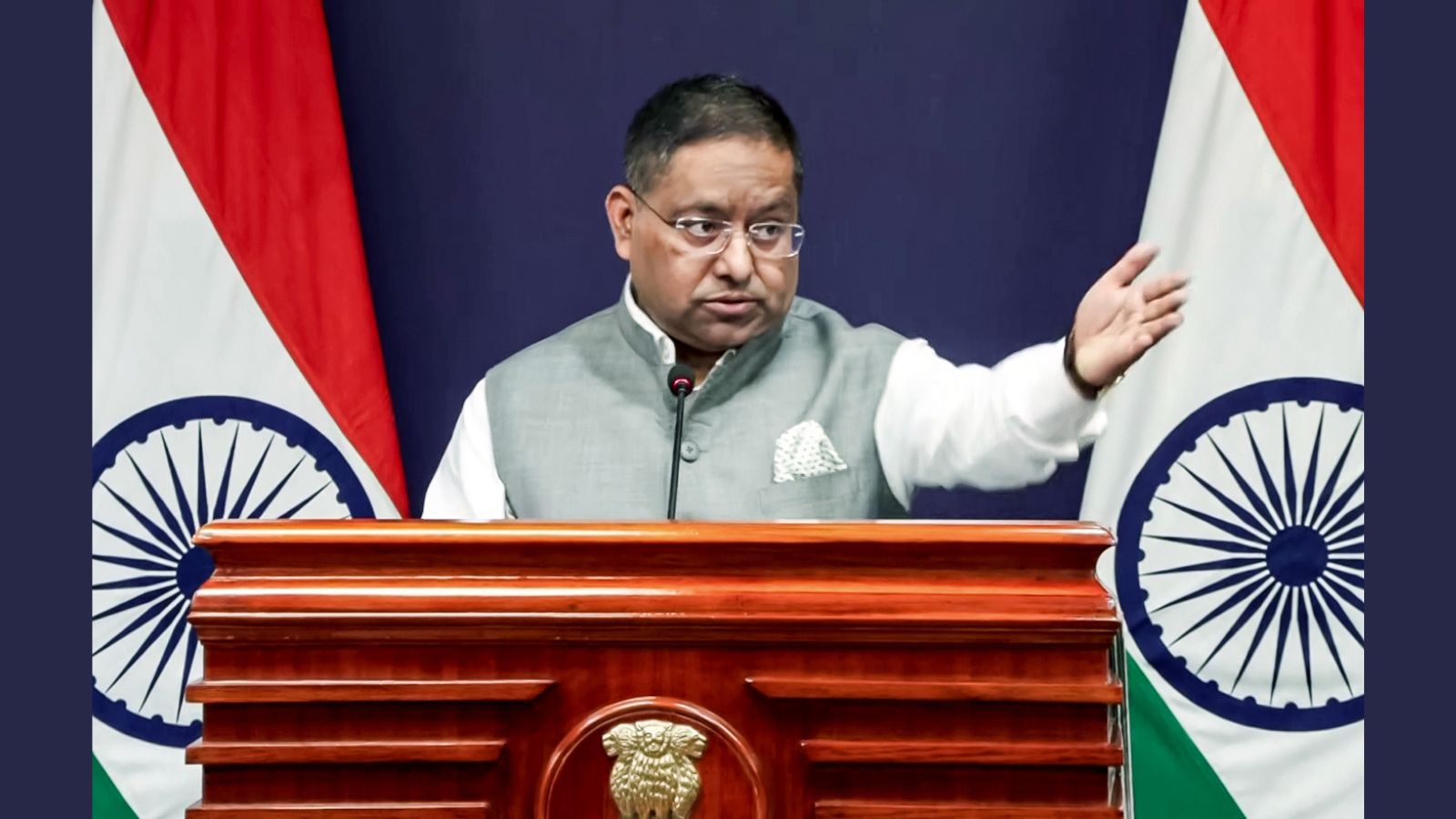
India has repeatedly rejected Pakistan’s assertions on Kashmir at the UN General Assembly and other UN platforms, maintaining that the Union Territory of Jammu and Kashmir has been, is and will always remain an integral and inalienable part of India.
As in previous years, India will field one of its youngest diplomats serving in its Permanent Mission to the UN to exercise its Right of Reply and respond to Sharif’s UNGA address.
Pakistan’s role in US-Iran talks
Sharif also highlighted Pakistan’s efforts to broker peace between the US and Iran amid the ongoing conflict in West Asia.
He said that after the conflict in the Gulf in February, Pakistan “successfully brought Washington and Tehran under one roof in Islamabad”.
Pointing to “a dangerous surge of hostilities”, Sharif said the Strait of Hormuz and Bab el-Mandeb “must remain open, connecting nations, not becoming chokepoints of confrontation.”
Sharif repeatedly thanked Pakistan’s Chief of Defence Forces and Chief of the Army Staff, Field Marshal Asim Munir, crediting his “relentless efforts” with helping create “space for diplomacy under exceptionally difficult and challenging circumstances.”
Also Read:
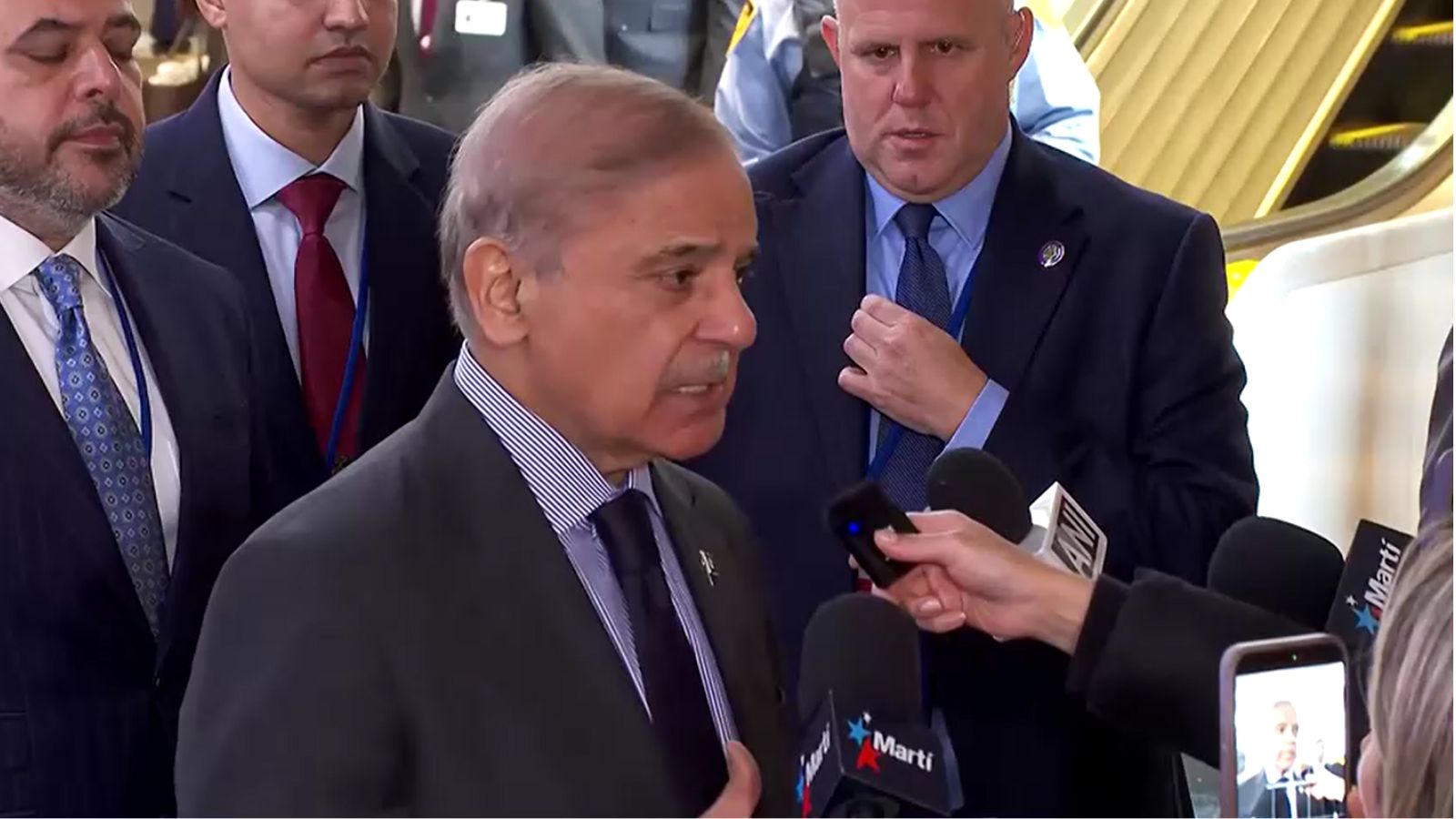
Sharif speaks on Gaza
Turning to Gaza, Sharif asked, “Does not a child born in Gaza deserve the same life, and the same future, and same dream as a child anywhere else in the world?”
He noted that the deaths of Hind Rajab, Wafaa Akila and other children “will echo through history as an indictment of our collective silence, failure and inaction.”
-With inputs from ANI, PTI, and Reuters.