



A movement of progressive and democratic groups and individuals has urged Karnataka Chief Minister DK Shivakumar and Home Minister Priyank Kharge to reconsider the state’s 2021 order restricting protests, demonstrations and protest marches in Bengaluru to Freedom Park, arguing that the restriction curtails citizens’ right to dissent.
In a letter dated October 13, Horatada Hakkigaagi Janandolana welcomed the ministers’ statements defending the right to peaceful protest and Kharge’s assurance that the Bengaluru police’s handling of demonstrators detained on October 12 would be reviewed.
The movement said the ministers’ remarks on peaceful dissent and democracy aligned with its campaign to restore the right to protest across the city. It urged the government to withdraw or amend the Licensing and Regulation of Protests, Demonstrations and Protest Marches (Bengaluru City) Order, 2021, which restricts protests to Freedom Park.
“Protests have to happen at the venue where a grievance can be redressed sir and not at a central venue,” the letter said. The group also offered to participate in consultations on revising the rules and suggested reverting to the earlier Licensing and Controlling of Assemblies and Processions (Bangalore City) Order, 2009.
‘Right to protest taken away in 2021’
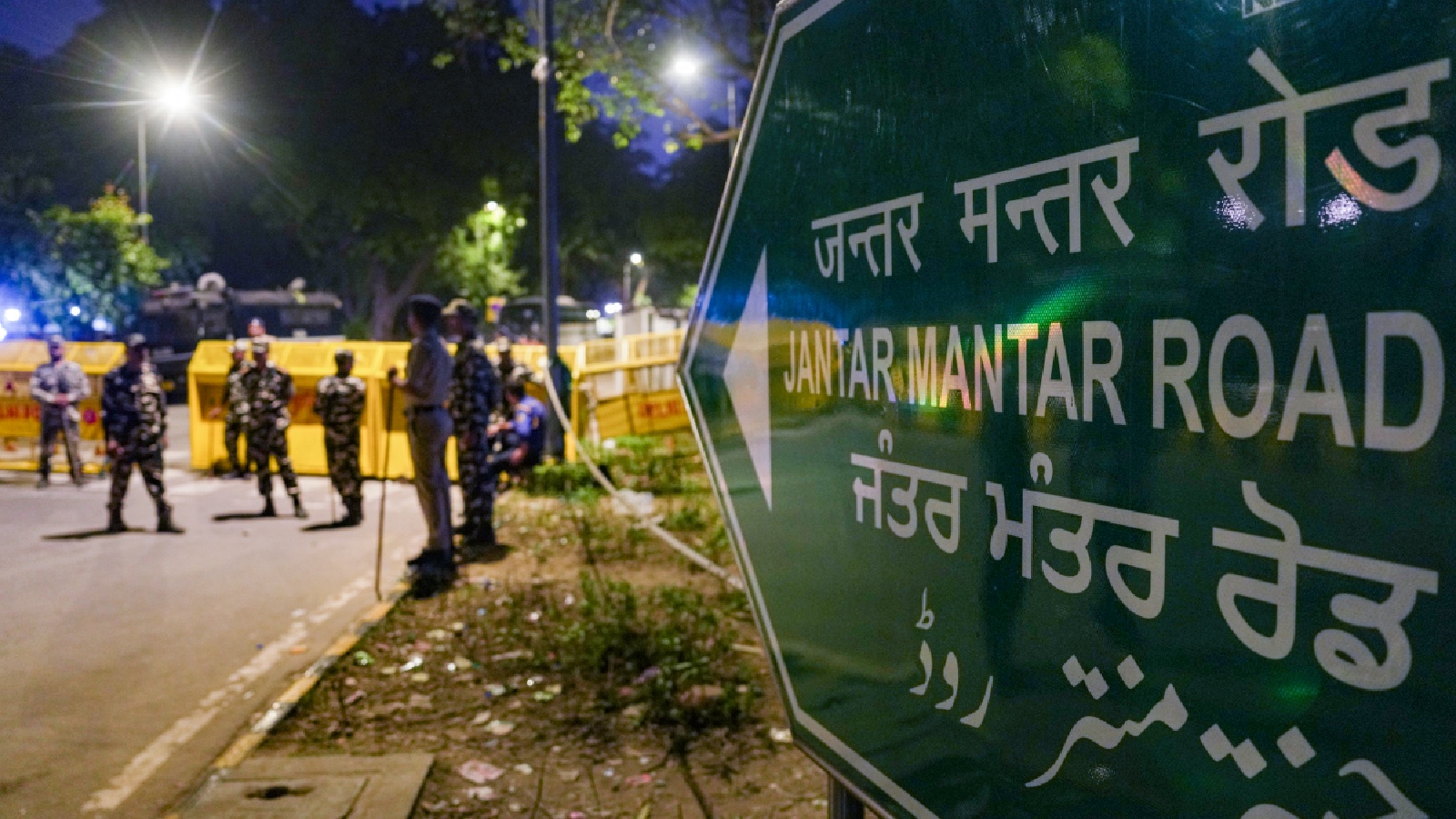
The 2021 order was introduced under the previous BJP government in Karnataka. It restricts protests, demonstrations and marches to Freedom Park, citing the need to prevent inconvenience to the public.
In August 2022, the Karnataka High Court directed the state government and the authorities concerned to implement the order and continue taking action against violations. The order was framed under Section 31(4) of the Karnataka Police Act, 1963.
Horatada Hakkigaagi Janandolana, which says it has campaigned for the right to protest for more than three years, argued in its letter that the restrictions have curtailed the ability of citizens to directly engage with public authorities.
The movement said it had met Chief Minister Siddaramaiah twice and held discussions with the former Bengaluru police commissioner to raise the issue.
The letter argued that the restriction has particularly affected marginalised communities, workers and young people, preventing them from taking their grievances to the institutions responsible for addressing them. It also cites how cases were registered against workers participating in May Day rallies, farmers protesting land acquisition, Dalit activists and pourakarmikas, among others, because their demonstrations were held outside Freedom Park.
These examples were pointed out by the activists to argue that a blanket restriction on protest venues limits citizens’ ability to bring local grievances to the attention of the relevant authorities.
The group further alleged that the order had affected activities beyond street demonstrations, including meetings in halls, student reading circles in Cubbon Park and poetry readings in public parks.
‘Protests must happen where grievances can be addressed’
The letter also argued that restricting demonstrations to a single venue undermines their purpose, particularly when protesters seek to submit petitions or draw the attention of specific government departments to their demands.
It cited the examples of workers seeking to raise labour-related grievances outside labour department offices, people protesting alleged misuse of Form 7 applications in electoral rolls near the Chief Electoral Officer’s office, and workers seeking to submit memoranda at the office of the Employees’ Provident Fund Organisation.
It added that demonstrations at the offices of the institutions concerned were a means of initiating dialogue and seeking redressal, rather than merely expressing dissent in a public space. “Protest is a sincere way to initiate a dialogue with institutions,” the group said.
Also Read:
It also argued that peaceful protest had historically helped secure rights relating to wages, dignity for women, recognition of transgender persons and equality in educational spaces for students from oppressed castes.
The letter was signed by senior activist Vimala KS; advocate Maitreyi K of the All India Lawyers Association for Justice; A Narasimha Murthy of Slum Janandolana Karnataka; Isaac Amruthraj of Slum Janara Sanghatane; Dushyant Dubey of Hind Mazdoor Kisan Panchayat; Sampreetha S of Fridays for Future; and Mohammed Peer Lotageri of the Association for Protection of Civil Rights, Karnataka.
Letter follows detentions of anti-SIR protesters
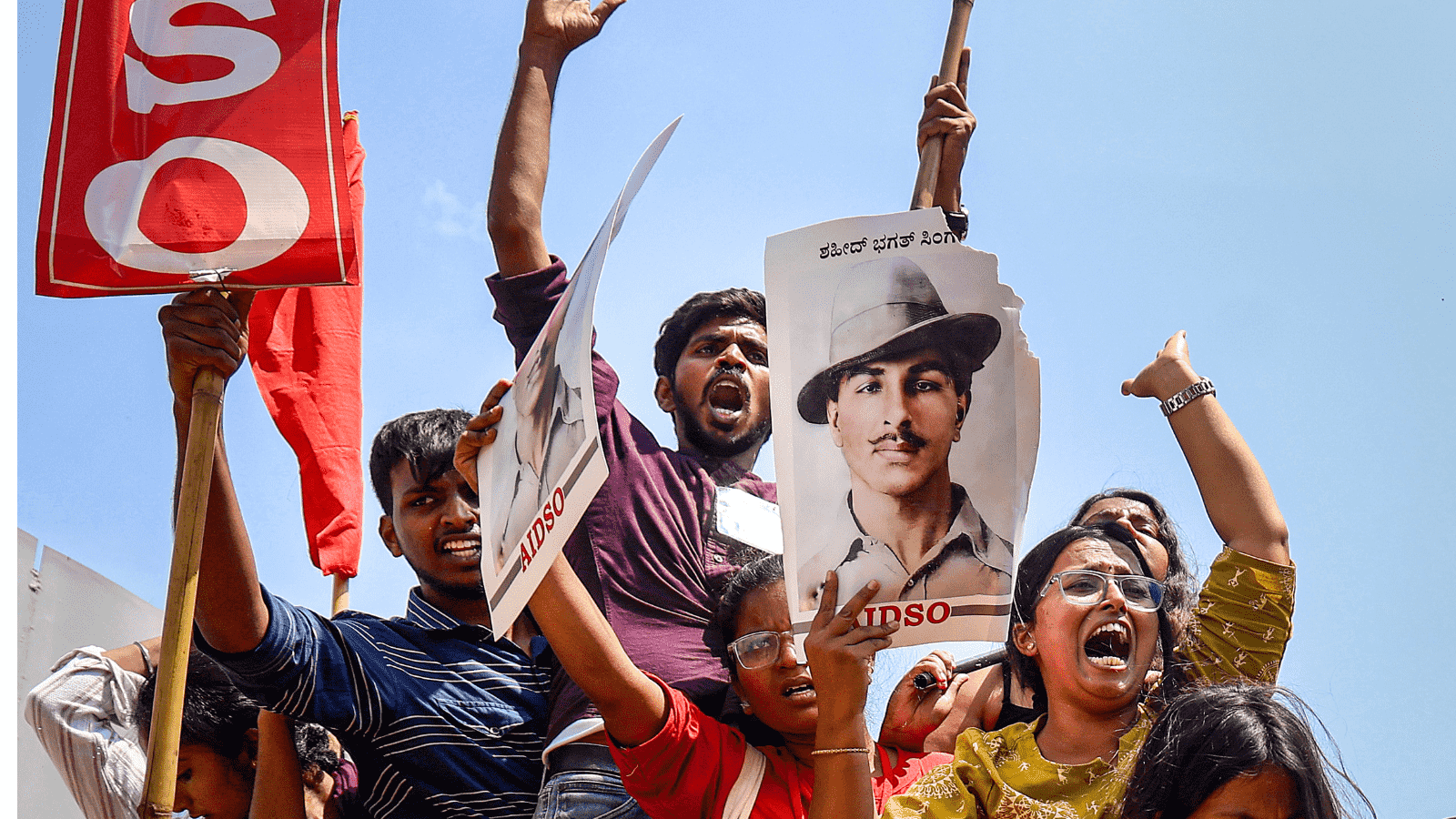
The letter comes a day after Bengaluru police detained protesters who had gathered near KR Circle and SJP College on October 12 to march towards the Karnataka Chief Electoral Officer’s office.
The demonstrators, who included students, lawyers, activists and senior citizens, were protesting against the Special Intensive Revision (SIR) of electoral rolls and demanding the resignation of Chief Election Commissioner Gyanesh Kumar.
Also Read:
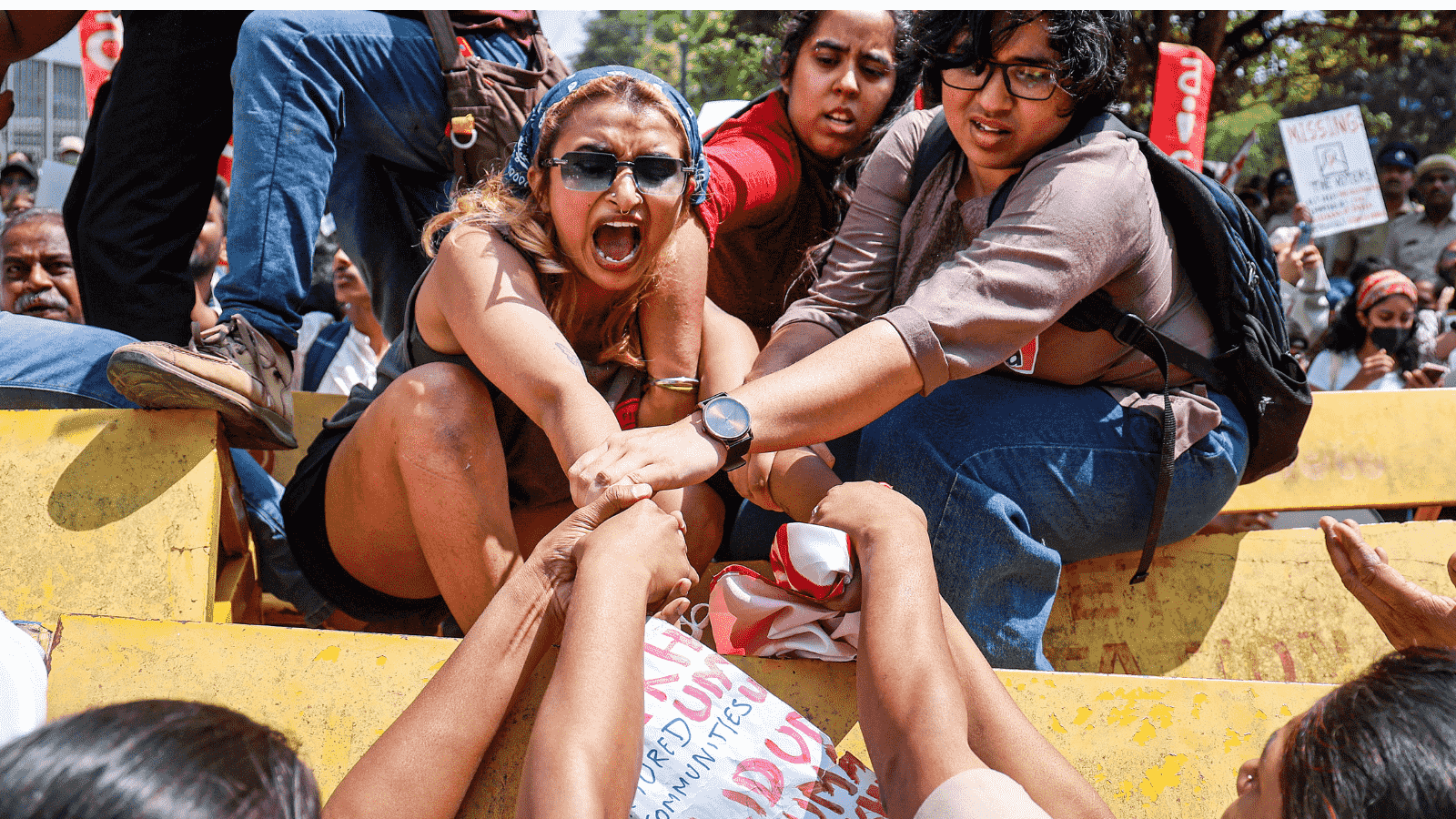
Organisers alleged that police confiscated placards, pushed and dragged protesters into buses and manhandled women and journalists covering the demonstration. Photojournalists Pushkar V of Deccan Herald and Syed Asif of The Times of India were among those allegedly manhandled.
Police said the demonstrators had assembled without permission or prior intimation and were asked to move to Freedom Park. They were taken into preventive custody after they did not comply, police said. The protesters were later released.
The detentions prompted Shivakumar to ask Bengaluru Police Commissioner Seemant Kumar Singh to ensure that the right to peaceful protest was protected.
Kharge subsequently said the police’s handling of the demonstrators would be reviewed and that he had instructed the force to ensure peaceful demonstrations were not disrupted.
The ministers’ statements have now been followed by the movement’s demand that the government address the broader restrictions governing protests in Bengaluru, rather than only review the conduct of police personnel during the October 12 incident.