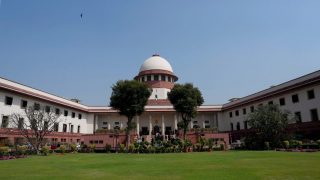


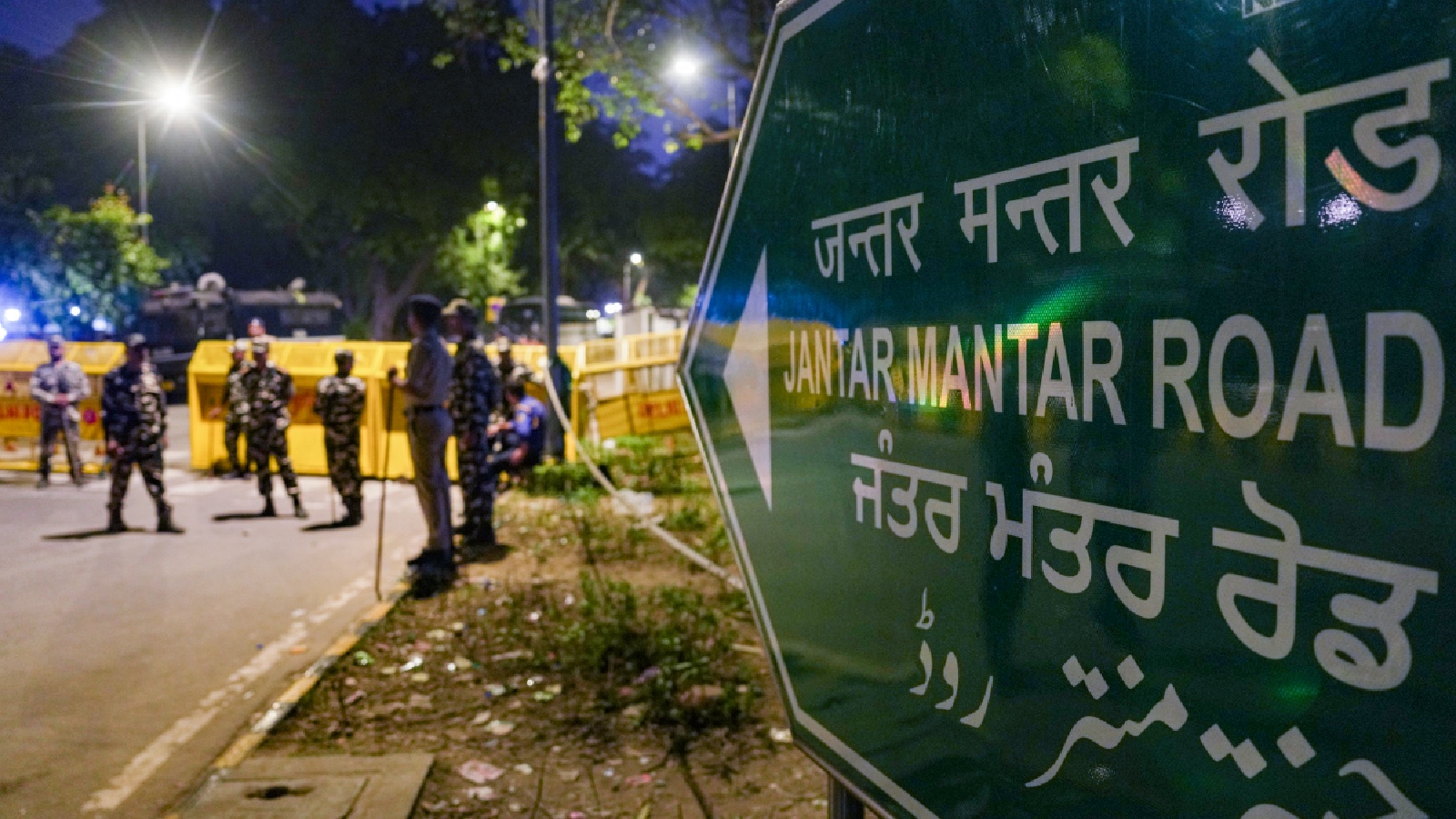


Delhi Police has removed Jantar Mantar from the list of designated protest venues, naming Ramlila Ground, Burari Ground and CBD Ground in East Delhi as alternatives.
Also Read:
The decision follows recommendations from a Union Ministry of Home Affairs committee tasked with identifying alternative protest sites. Delhi Police Commissioner Anurag Kumar issued the order on October 11, partially modifying the existing standing order governing protests in the capital.
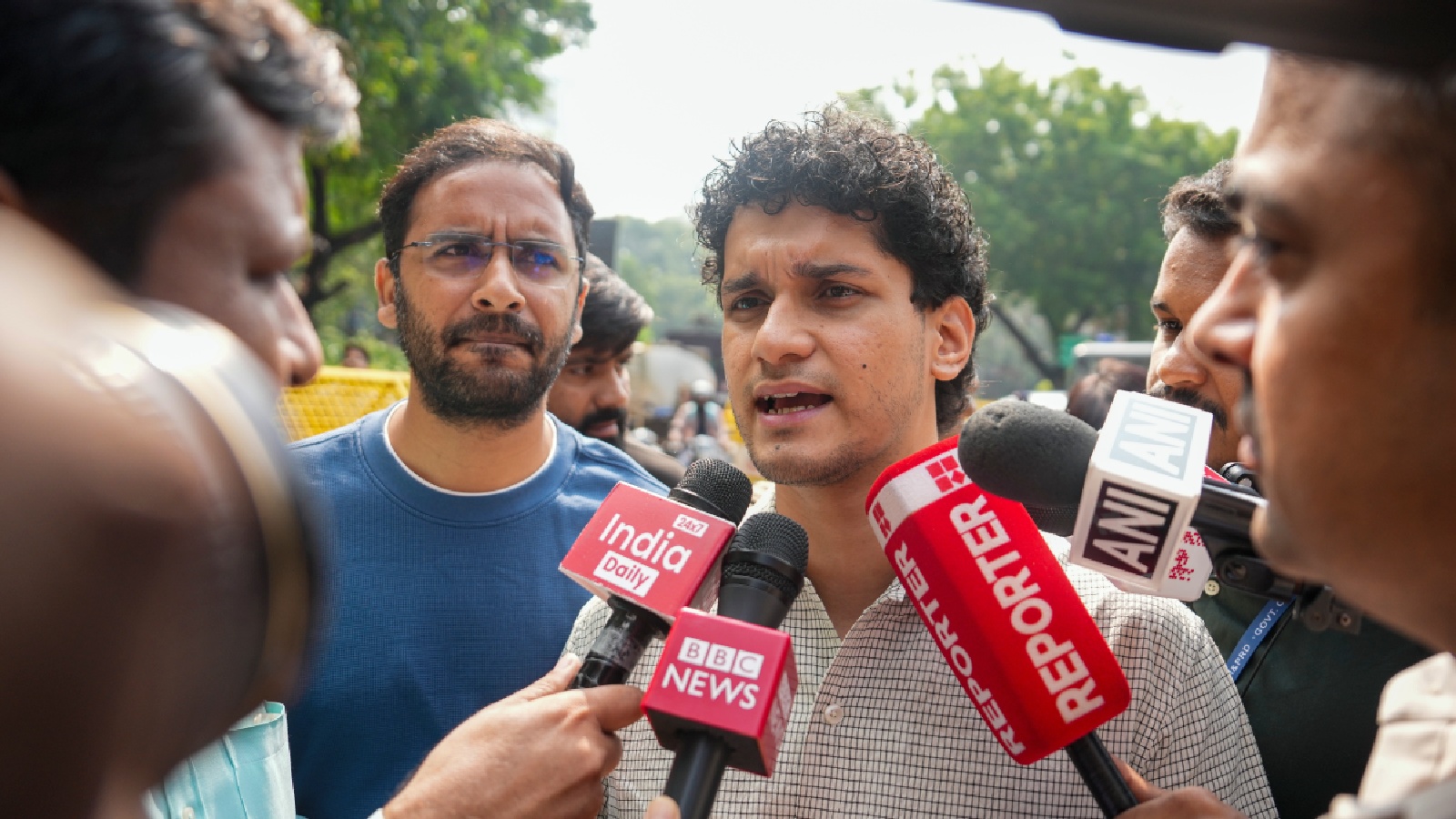
The move has drawn criticism from the Cockroach Janta Party (CJP), which called it 'unacceptable' and alleged that it undermines citizens’ right to peaceful protest.
But why does the location matter? A protest site is more than a place to gather. Its accessibility, visibility and proximity to political institutions can influence how effectively demonstrators reach the public and those in power.
While the three new venues can accommodate demonstrations, their locations raise questions about whether they offer the same advantages as Jantar Mantar.
Here is how the three venues compare.
1. Ramlila Ground: The closest alternative, but not the same setting
Located in central Delhi, Ramlila Ground is the closest of the three newly designated venues to Jantar Mantar, at an estimated distance of around 3 km. It has a long history of hosting political rallies and major demonstrations, making it a relatively accessible alternative for protesters seeking to assemble near the capital’s administrative and political hubs.
Earlier police arrangements assigned gatherings of 1,000 to 50,000 people to Ramlila Ground, with larger crowds directed to Burari. It remains unclear whether these thresholds apply under the new order.
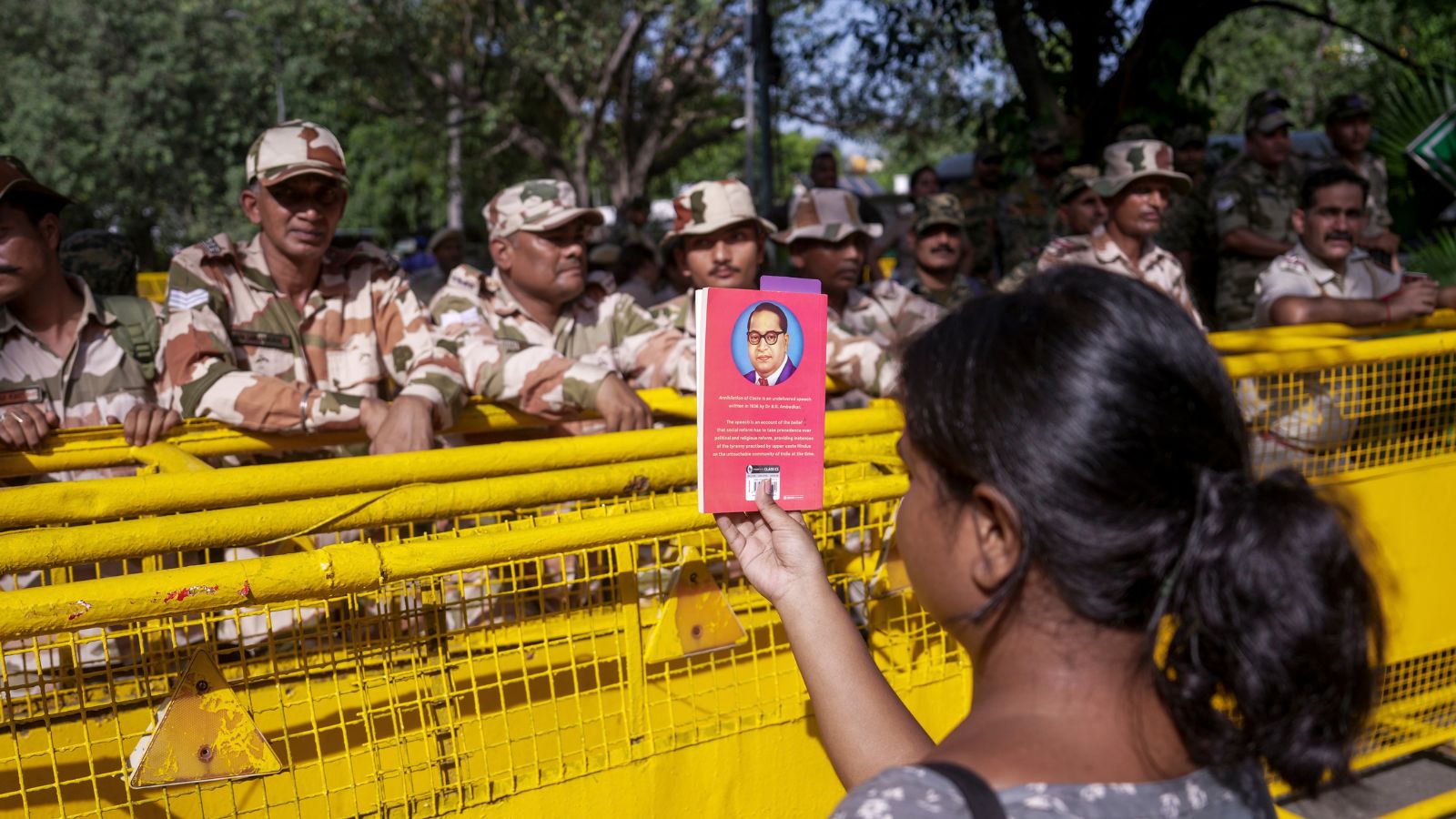
However, the two venues are not interchangeable. Jantar Mantar is a recognised protest site close to government offices and media institutions, allowing demonstrators to draw public attention to their demands.
While Ramlila Ground can accommodate large crowds, protesters may have fewer opportunities to march towards government establishments. Under the proposed arrangements described in the order, a small delegation may be permitted to visit the site to submit a memorandum.
The distinction goes beyond capacity: the venue can determine how easily protesters reach decision-makers and attract public attention.
2. CBD Ground: A shift towards east Delhi
CBD Ground in East Delhi is approximately 12 km from Jantar Mantar.
Unlike Ramlila Ground, which remains within central Delhi, CBD Ground shifts demonstrations towards the eastern part of the capital.
The venue may provide an alternative for organising gatherings, but its location changes the relationship between a protest and the institutions, journalists, and political centres that demonstrators may want to reach.
For people accustomed to assembling at Jantar Mantar, the change is not simply about finding another open space. It means adjusting to a different location, with different travel requirements and a different setting for public mobilisation.
The precise implications will depend on the revised operating procedures, including how permissions, crowd limits and access to the venues are managed.
3. Burari Ground: Space for large protests, farther from the centre
Burari Ground, in North Delhi, is the designated venue for demonstrations involving more than 50,000 people under the police's stated arrangements.
The location has previously been used to accommodate large gatherings, including during the 2020 farmers' protest, when farmers were directed to the Sant Nirankari Samagam Ground in Burari. Indian farmers, however, strongly opposed and rejected the Delhi Police's offer.
Its capacity is an advantage for large-scale mobilisations. But its distance from central Delhi creates a different set of challenges.
At an estimated 21 km from Jantar Mantar, Burari Ground is the farthest of the three new venues listed. Depending on where they live and the transport available, protesters may have to travel considerably farther to reach it.
The location also shifts demonstrations away from the central areas associated with government institutions and national political activity.
For a protest involving tens of thousands of people, the additional space may be useful. For smaller groups trying to draw attention to a specific grievance, the distance could make participation less convenient and reduce the demonstration's immediate visibility in central Delhi.
Why Jantar Mantar matters: A history of shifting protest sites
Jantar Mantar became Delhi's principal protest hub in 1993. Before that, the Boat Club lawns near India Gate had served as a prominent venue for public demonstrations.
In October 1988, farmer leader Mahendra Singh Tikait led a massive farmers' mobilisation in Delhi. The demonstration, involving hundreds of thousands of farmers, became a defining moment in the history of protests at the Boat Club.
Authorities subsequently restricted gatherings there, and Jantar Mantar emerged as an alternative. Its location near the capital's political centre, combined with its relatively limited capacity and manageable layout, made it a practical venue for demonstrations.
Over the following decades, Jantar Mantar became associated with movements on a wide range of issues, including the anti-corruption agitation led by Anna Hazare in 2011 and the wrestlers' protest in 2023.
Its importance lies not only in the number of people it can accommodate, but also in its recognition as a place where citizens can bring their grievances into public view.
Also Read:
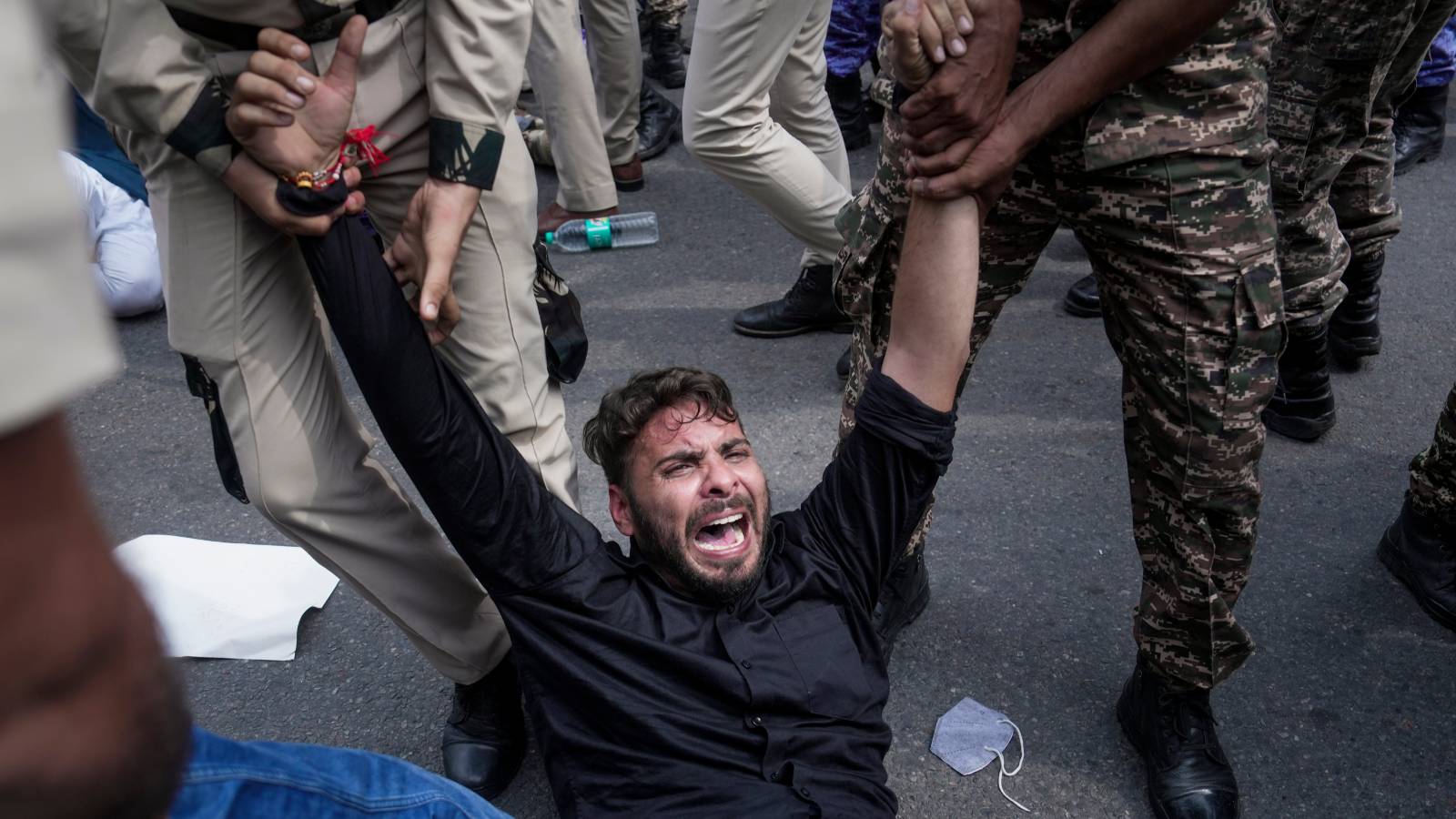
The current decision therefore echoes an earlier shift in Delhi's protest geography: moving demonstrations away from prominent central locations towards designated sites elsewhere in the city.
Today, the larger question is whether the change merely reorganises public gatherings or makes it more difficult for citizens to ensure that their grievances are heard.