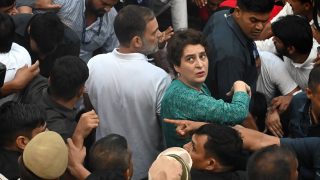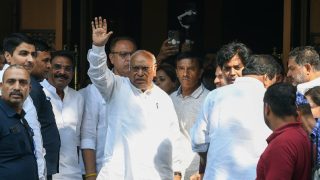


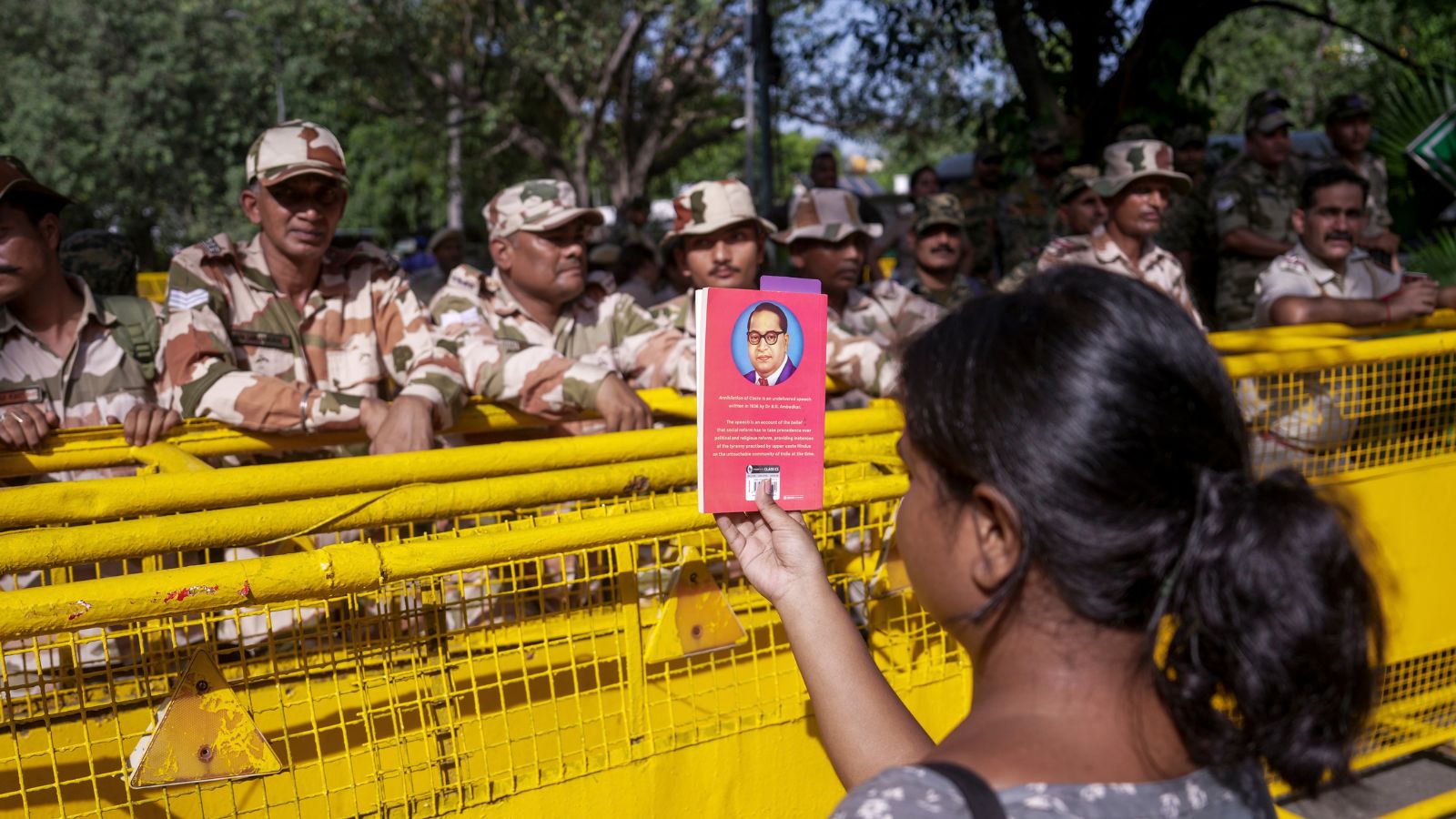


As political parties, student organisations and activists prepare to mobilise at Jantar Mantar in New Delhi on Saturday, October 10, 2026, the Delhi Police has reiterated that demonstrations at the site require prior permission and are subject to restrictions on the number of participants.
The planned protest, organised by the Cockroach Janta Party (CJP) alongside student and youth organisations, calls for the resignation of Chief Election Commissioner Gyanesh Kumar, the repeal of the 2023 law governing the appointment of election commissioners, and electoral reforms. The agitation comes amid opposition allegations of irregularities in the Special Intensive Revision (SIR) of electoral rolls.
The police have said that applications to hold demonstrations at Jantar Mantar must be submitted at least 10 days in advance, with the number of participants capped at 1,000. The organisers, however, have disputed the suggestion that they must obtain permission, maintaining that they have formally informed the police about the proposed demonstration.
The disagreement raises a larger question: If peaceful protest is a fundamental right, why do people need police permission to demonstrate at a designated protest site? And how did Jantar Mantar, an 18th-century astronomical observatory in the heart of the national capital, become one of India's most recognisable spaces for public dissent?
What are the rules for protesting at Jantar Mantar?
The Delhi Police's current position is that protests, demonstrations and sit-ins at Jantar Mantar require prior approval from the competent authority.
According to reports published by The New Indian Express and India Today on October 7, the police require applications to be submitted to the Deputy Commissioner of Police, New Delhi District, at least 10 days before the proposed event. The guidelines permit gatherings of up to 1,000 people at Jantar Mantar. Demonstrations involving larger crowds are expected to take place at other designated locations.
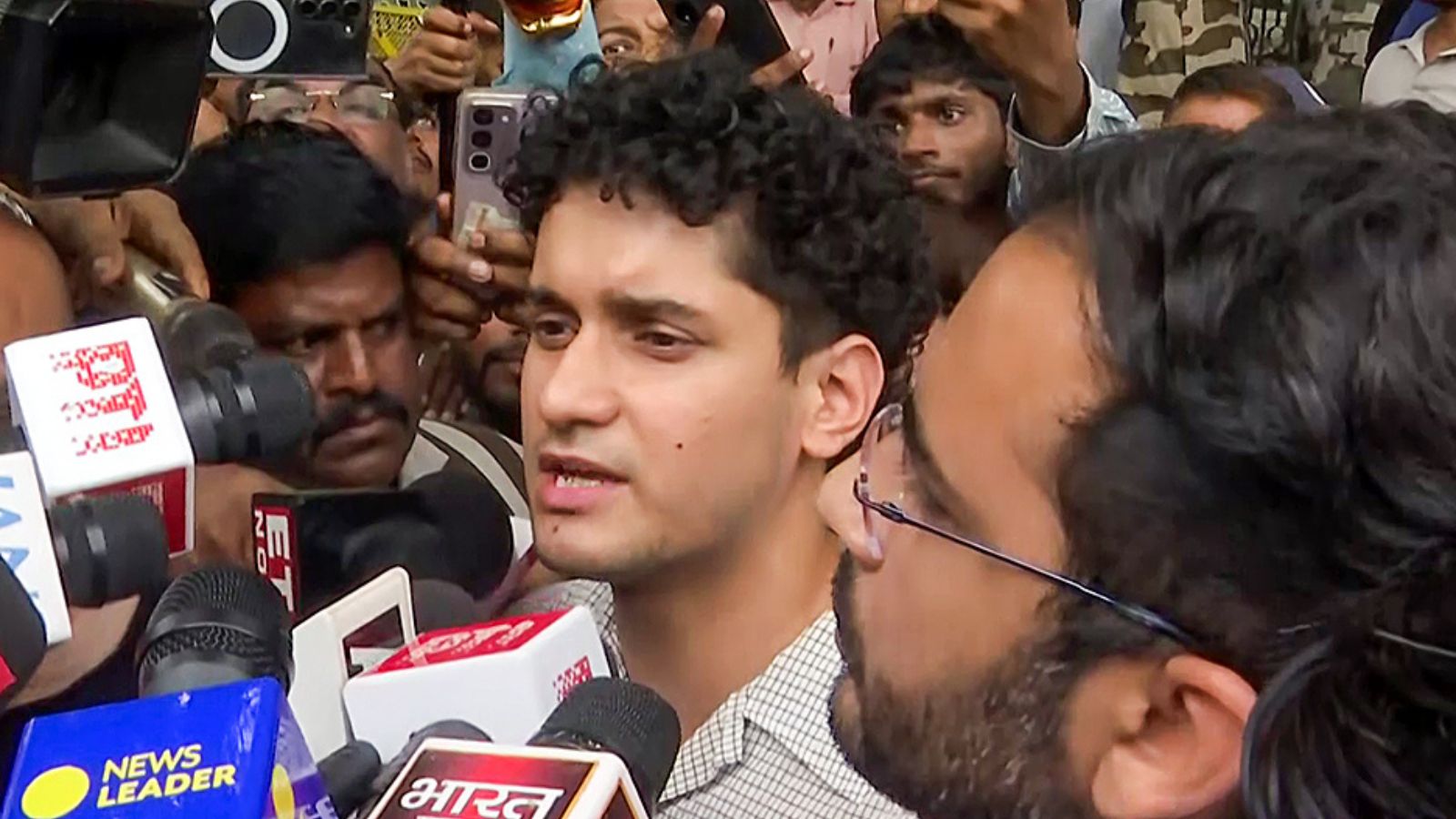
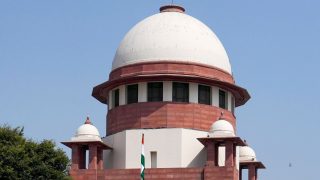
These requirements arise from a framework established following a Supreme Court judgment in July 2018 in Mazdoor Kisan Shakti Sangathan v. Union of India.
The police have also identified alternative venues for demonstrations involving larger crowds. According to the October 7 reports, Ramlila Maidan is designated for gatherings involving between 1,000 and 50,000 people, while Burari is intended for gatherings exceeding 50,000.
The guidelines also restrict demonstrations in sensitive areas of central Delhi, including parts of the Central Vista, India Gate and roads around major government buildings.
The distinction between a designated protest site and unrestricted permission to assemble is important. Jantar Mantar's status as a recognised venue does not automatically entitle every organisation to hold a demonstration there, irrespective of the proposed crowd size, security arrangements or other applicable restrictions.
The rules are intended to allow demonstrations while enabling the police to manage public order, traffic and the interests of people living and working in the area.
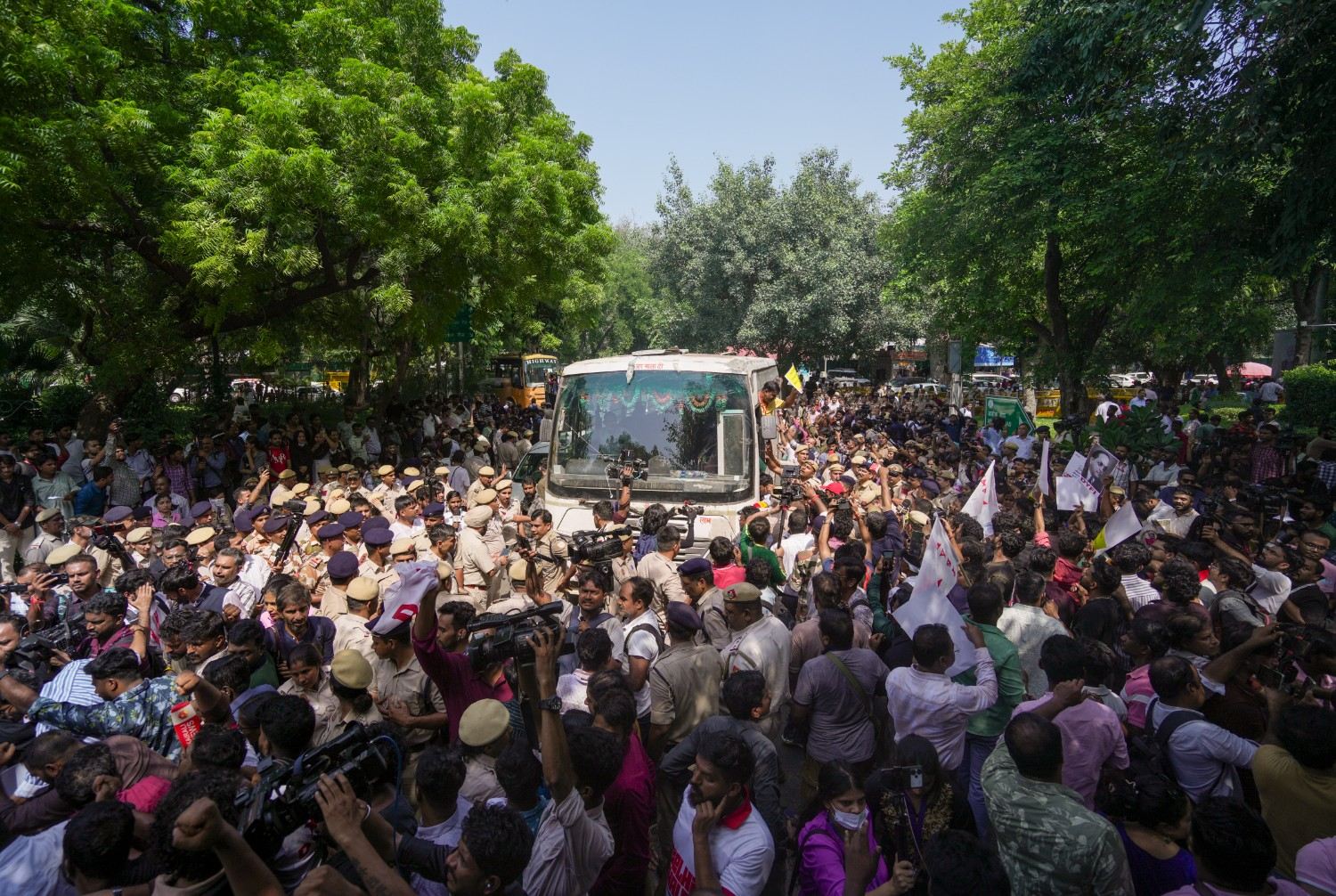
Why does a protest need police permission?
The Constitution guarantees citizens the right to assemble peacefully and without arms under Article 19(1)(b). Article 19(3), however, allows the state to impose reasonable restrictions on that right in the interests of the sovereignty and integrity of India and public order.
In practice, the arrangements governing demonstrations vary according to the location and the applicable legal framework. In Delhi, the proximity of protest venues to Parliament, government offices and other sensitive areas has been a longstanding consideration in decisions about where demonstrations may take place.
The Supreme Court examined this conflict in Mazdoor Kisan Shakti Sangathan v. Union of India, a case concerning restrictions on demonstrations in central Delhi and a National Green Tribunal order that had prohibited protests along Jantar Mantar Road.
The case arose after residents complained about the effects of demonstrations on their neighbourhood, including noise, waste and the use of public space. On October 5, 2017, the National Green Tribunal directed the authorities to stop protests at Jantar Mantar Road and shift demonstrators to Ramlila Maidan.
The order effectively threatened to close a venue that had hosted protests for more than two decades.
The matter reached the Supreme Court, which delivered its judgment in July 2018. The court did not endorse an unrestricted right to demonstrate anywhere in Delhi. Nor did it accept that protests at Jantar Mantar should be prohibited altogether.
Instead, it directed the Commissioner of Police, New Delhi, in consultation with the relevant authorities, to devise a mechanism allowing limited use of the area for peaceful public meetings and demonstrations while preventing undue disturbance to residents and nearby offices.
The court specifically recognised the need for a system under which organisers could be required to obtain prior permission and applications could be assessed according to defined parameters.
The judgment established the framework within which demonstrations at Jantar Mantar are regulated today: peaceful protest must be accommodated, but the state can impose proportionate restrictions to address legitimate public-order concerns.
Importantly, the ruling did not make the right to protest dependent on the government's agreement with the protesters' cause. The question is whether the demonstration can be accommodated within the applicable legal and regulatory framework.
What happens if organisers proceed without permission?
Informing the police about a demonstration and receiving permission to hold it are not necessarily the same thing.
The distinction has become relevant ahead of the October 10 protest. According to a report published by The New Indian Express, CJP informed the police about its proposed demonstration, while the organisers maintained that informing the authorities was sufficient and that they would not wait for permission.
The police, by contrast, have reiterated that prior approval is required under the existing framework.
Whether the organisers have submitted an application, merely notified the police, or received a formal decision on their request are separate factual questions. They should not be treated as interchangeable.
A protest that proceeds without the required permission may face police intervention, depending on the circumstances and the applicable orders. Authorities can impose lawful restrictions on assemblies and take action when demonstrators violate those restrictions. The precise legal consequences depend on the orders in force and the conduct of those involved.
In addition, prohibitory orders may apply to areas beyond the designated protest venue. A group that has permission to demonstrate at Jantar Mantar does not automatically have permission to march towards Parliament or occupy roads elsewhere in central Delhi.
The distinction is particularly important in a city where restrictions on demonstrations can differ from one stretch of road to another.
For journalists covering the October 10 protest, establishing the exact status of the organisers' application, the police's response and any applicable prohibitory orders will therefore be essential.
How did Jantar Mantar become Delhi's protest hub?
Jantar Mantar was not built to accommodate political demonstrations.
The site is an astronomical observatory commissioned by Maharaja Sawai Jai Singh II in the 18th century. Its large masonry instruments were designed to observe celestial movements and make astronomical calculations.
Its transformation into a prominent protest venue came much later, against the backdrop of a long-running struggle over where demonstrations could take place in the national capital.
Before the 1990s, one of Delhi's most prominent spaces for political gatherings was the Boat Club lawns near India Gate, close to Parliament and major government offices.
In October 1988, farmer leader Mahendra Singh Tikait led a massive mobilisation of farmers in Delhi. The gathering, which occupied the Boat Club area and surrounding spaces, became a defining moment in the history of farmers' movements in the capital. It also demonstrated how a large demonstration close to the seat of government could disrupt the city's functioning.
As political tensions intensified in the years that followed, restrictions on gatherings around the Boat Club were tightened.
In 1993, Jantar Mantar emerged as an alternative venue for protests. It was close enough to the capital's political centre to give demonstrators visibility, but its narrower, more contained layout made it easier for the authorities to manage than the expansive lawns around India Gate.
The shift was not simply about geography. It reflected a recurring tension in Delhi's protest politics: demonstrators want to be visible to those in power, while the authorities seek to regulate gatherings near Parliament, government offices and busy roads.
Jantar Mantar offered a compromise. Protesters could assemble within central Delhi without having the same access to the larger public spaces immediately surrounding the seat of government.
Over time, the stretch of road outside the observatory became a familiar address for people travelling to Delhi to demand justice, draw attention to their grievances or seek action from the government.
From Anna Hazare to the wrestlers: Protests that defined the venue
Jantar Mantar's national prominence grew through the movements that gathered there.
On April 5, 2011, social activist Anna Hazare began a hunger strike at the site demanding stronger anti-corruption legislation and the creation of a Lokpal. The agitation grew into a major national movement, attracting activists and supporters across the country. It also helped shape the political trajectory of figures, including Arvind Kejriwal, who later founded the Aam Aadmi Party.
The venue subsequently hosted protests over a wide range of issues, including sexual violence, discrimination, unemployment, farmers' distress and government policy.
In 2012, demonstrations demanding justice following the gang rape of a young woman in Delhi brought protesters to central Delhi, with the mobilisation spreading to other parts of the city.
In 2017, farmers from Tamil Nadu held a prolonged demonstration at Jantar Mantar to demand relief for drought-hit farmers, loan waivers and other measures. Their protest drew national attention through a series of dramatic demonstrations intended to communicate the severity of rural distress.
In December 2019, the site became one of the locations where demonstrators gathered against the Citizenship Amendment Act.
In 2023, prominent wrestlers, including Olympic medallists Sakshi Malik, Vinesh Phogat and Bajrang Punia, staged a prolonged protest against Wrestling Federation of India chief Brij Bhushan Sharan Singh. They accused him of sexual harassment and demanded action against him. Singh denied the allegations. The demonstration became a major national controversy over sexual harassment allegations, sports administration and the treatment of athletes.
These movements differed in their demands, constituencies and political implications. What they shared was the need for a public space where demonstrators could gather, attract media attention and direct their demands towards the government.
For people travelling from outside Delhi, Jantar Mantar became a recognisable destination for that purpose. A protester did not necessarily need to be part of a large national organisation to bring a grievance to the capital. The site also became a place where individuals and small groups could sustain demonstrations over weeks or months.
The 2017 ban and the Supreme Court's intervention
The future of Jantar Mantar as a protest venue came under threat in October 2017.
The National Green Tribunal directed the authorities to stop demonstrations along Jantar Mantar Road, citing complaints about noise, waste and the effects of protests on local residents. It directed that demonstrations be shifted to Ramlila Maidan.
The order raised a fundamental question: Could a venue that had functioned as a recognised space for dissent for more than two decades be closed entirely because of the difficulties associated with demonstrations?
The Supreme Court's July 2018 judgment rejected a blanket prohibition and called for a regulated system that would accommodate peaceful protests while addressing residents' concerns.
The court acknowledged that unrestricted gatherings could cause inconvenience and that authorities had a responsibility to maintain public order. But it also recognised the need to preserve a space for peaceful demonstrations in a democratic society.
The result was not an unconditional right to occupy Jantar Mantar. Instead, the site continued to function under a framework of restrictions, including prior permission and limits on the scale of gatherings.
That distinction continues to shape disputes over demonstrations at the venue.
Why Jantar Mantar still matters
For a visitor unfamiliar with Delhi, Jantar Mantar may appear to be just another landmark in a city crowded with monuments, government buildings and historical sites.
Politically, however, it occupies a distinctive place.
The venue allows protesters to gather in central Delhi, within reach of the institutions they seek to influence. Its significance lies not only in the physical space but also in the history attached to it: decades of demonstrations by people who believe their grievances have not received adequate attention.