

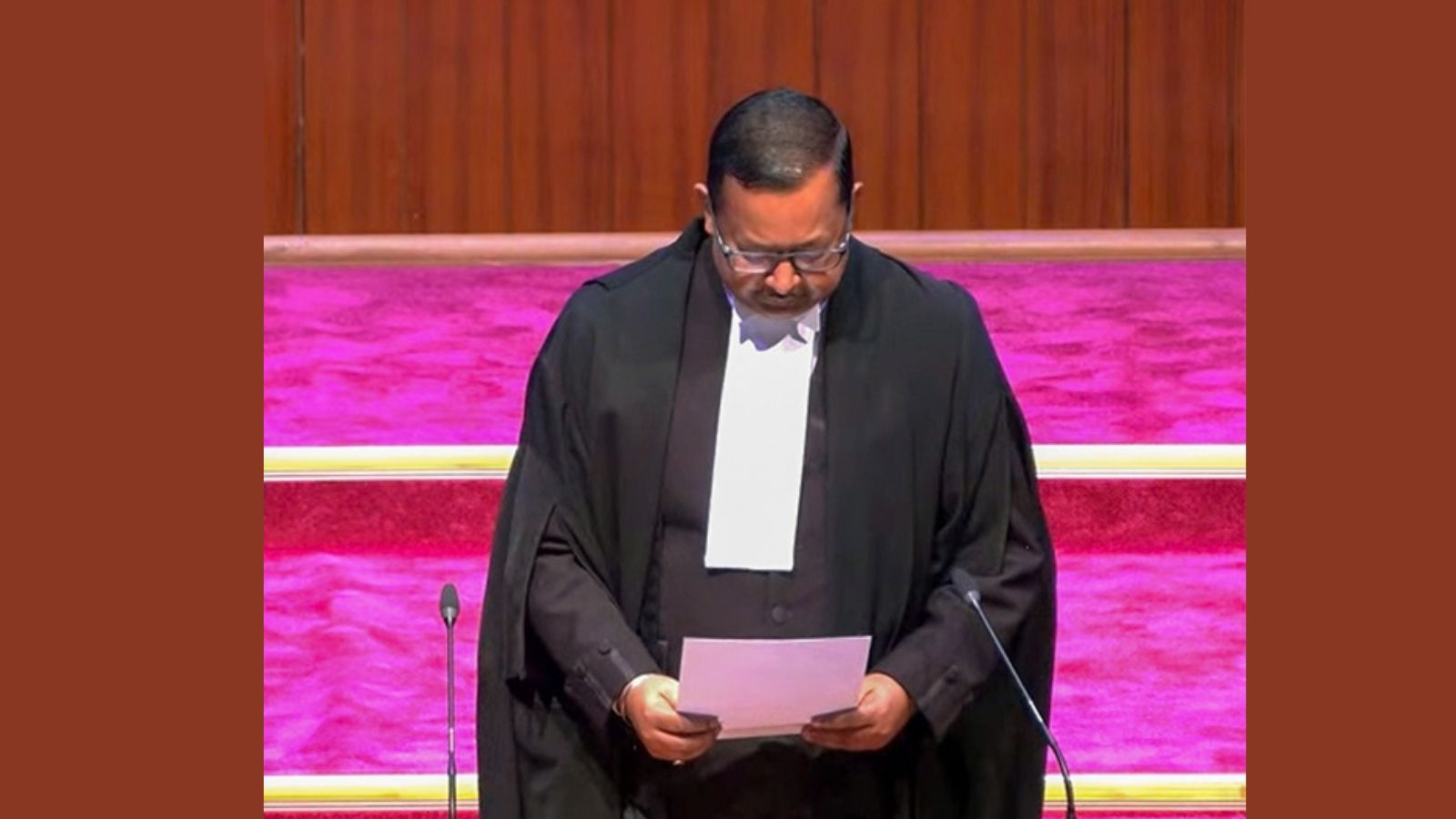


Hyderabad: Any process which "disenfranchises" millions of Indian citizens was "intrinsically arbitrary" and a "negation" of the constitutional order, Supreme Court judge Justice Ujjal Bhuyan on Sunday.
The judge added on that no amount of "whataboutery" can justify it.
Justice Bhuyan, who delivered the valedictory address at the 19th Justice Bodh Raj Sawhney Memorial Moot Court Competition at NALSAR University of Law, said the Indian Constitution does not provide for two classes of citizens - one with voting rights and the other without voting rights.
Any process which leads to wholesale disenfranchisement of Indian citizens making them citizens without voting rights would be violative of Articles 326 and 14 of the Constitution of India, he said.
"If any process results in disenfranchising millions and millions of Indian citizens making them second class citizens in their own country in the sense of being citizens without a voting right, such a process is intrinsically arbitrary. No amount of whataboutery can justify it," he said.
"It strikes at the very heart of the Constitution and I would go to the extent of saying that it is a negation of the Constitutional order which we have adopted based under Constitution of India," he said.
Observing that Indian citizens' right to vote is intertwined with India's long years of struggle against foreign rule, he said it is a manifestation of freedom achieved after long struggle and sacrifice and Article 326 cannot be tinkered with at all.
"No authority can do it; no court can endorse it or condone it. No one is above the Constitution," he said.
Justice Bhuyan said the right to vote or the right to be a voter is not a mere statutory right that flows from parliamentary legislation like the Representation of the People's Act 1951, but a Constitutional right forming a distinct part of democracy itself. Thus positioning itself within the framework of the basic structure of the Indian Constitution.
Citing a Supreme Court order, he said the apex court observed that the right to vote of a citizen cannot be divorced or separated from the mandate of Article 326.
The right of a citizen to be a voter and to vote is of the greatest importance and forms the foundation of free and fair election.
Section 22 of the Representation of the People's Act permits deletion of an entry in the voter's list but only after the said voter has been given a reasonable opportunity of being heard, he said.
He cited another Supreme Court judgment and said the apex court has laid down the guidelines to be followed in case of deletion of voters.
Except in the case of a dead person, the name of a voter once enlisted in the electoral roll cannot be deleted without notice and hearing, he said.
"From the persona of an Indian citizen, the right to vote or right to be included in the voters list cannot be detached. It will be like taking out the soul from the body," he said.
Also Read:
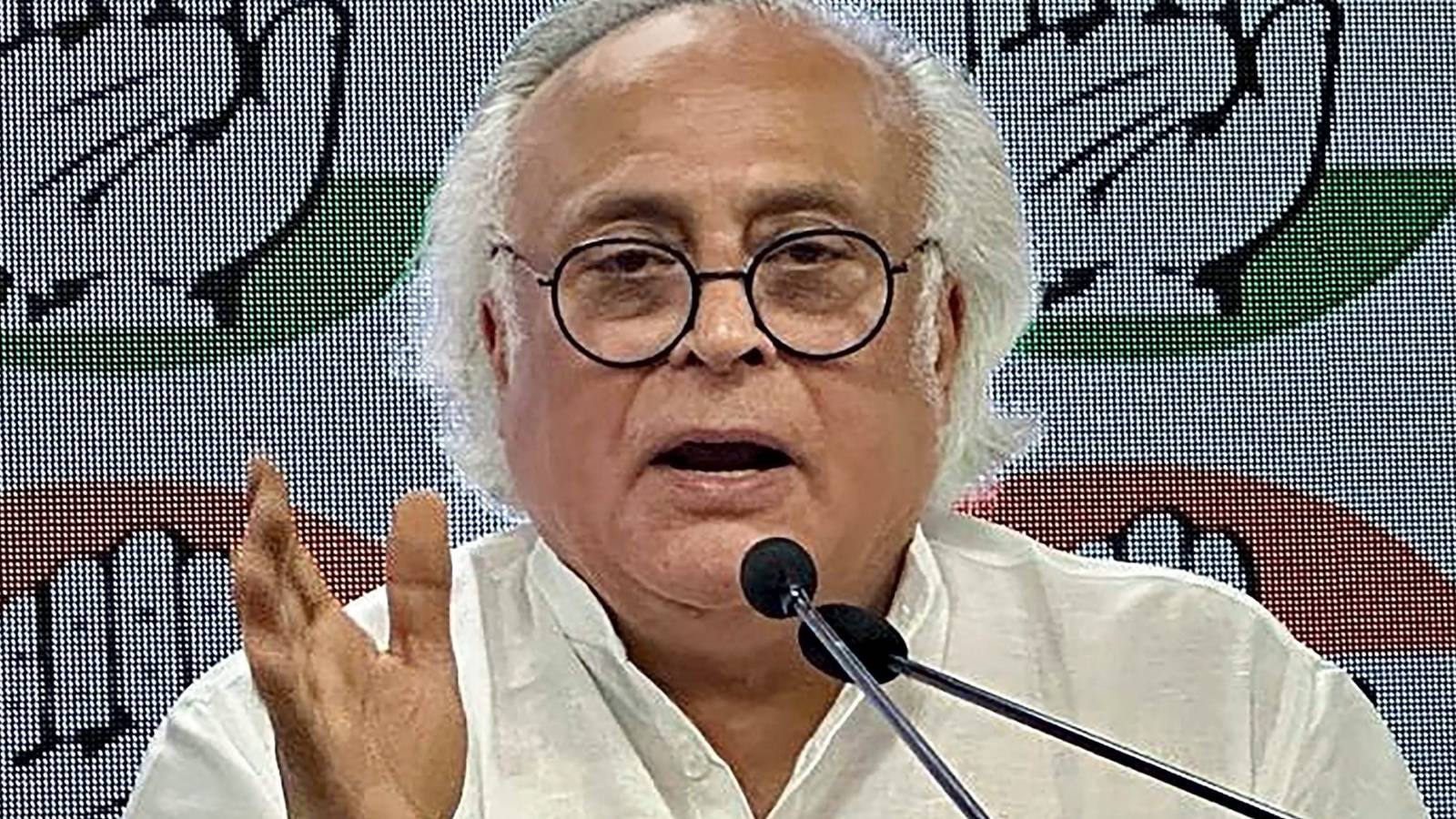
Justice Bhuyan said US judge Justice Frankfurter had expressed the view that in a democracy the highest office is not that of the President but that of the citizen.
He further quoted him as saying: "Democracy is always a beckoning goal, not a safe harbour; for freedom is an unremitting endeavour, never a final achievement."
"I ask myself, what is the worth of a citizen without his/her voting rights," Justice Bhuyan asked.
Justice Bhuyan, who served as the Chancellor of NALSAR, said he can be legitimately proud of the students of the institution.
"You have shown to the country and the world what a university student that too, a student of law should be like. You are brilliant. You are bold and you are brave," he said.
He also lauded the faculty members of NALSAR, saying they have performed their duties admirably and have done what a university teacher is expected to do.
Complementing the NALSAR Vice Chancellor Srikrishna Deva Rao, he said he has led the university admirably.