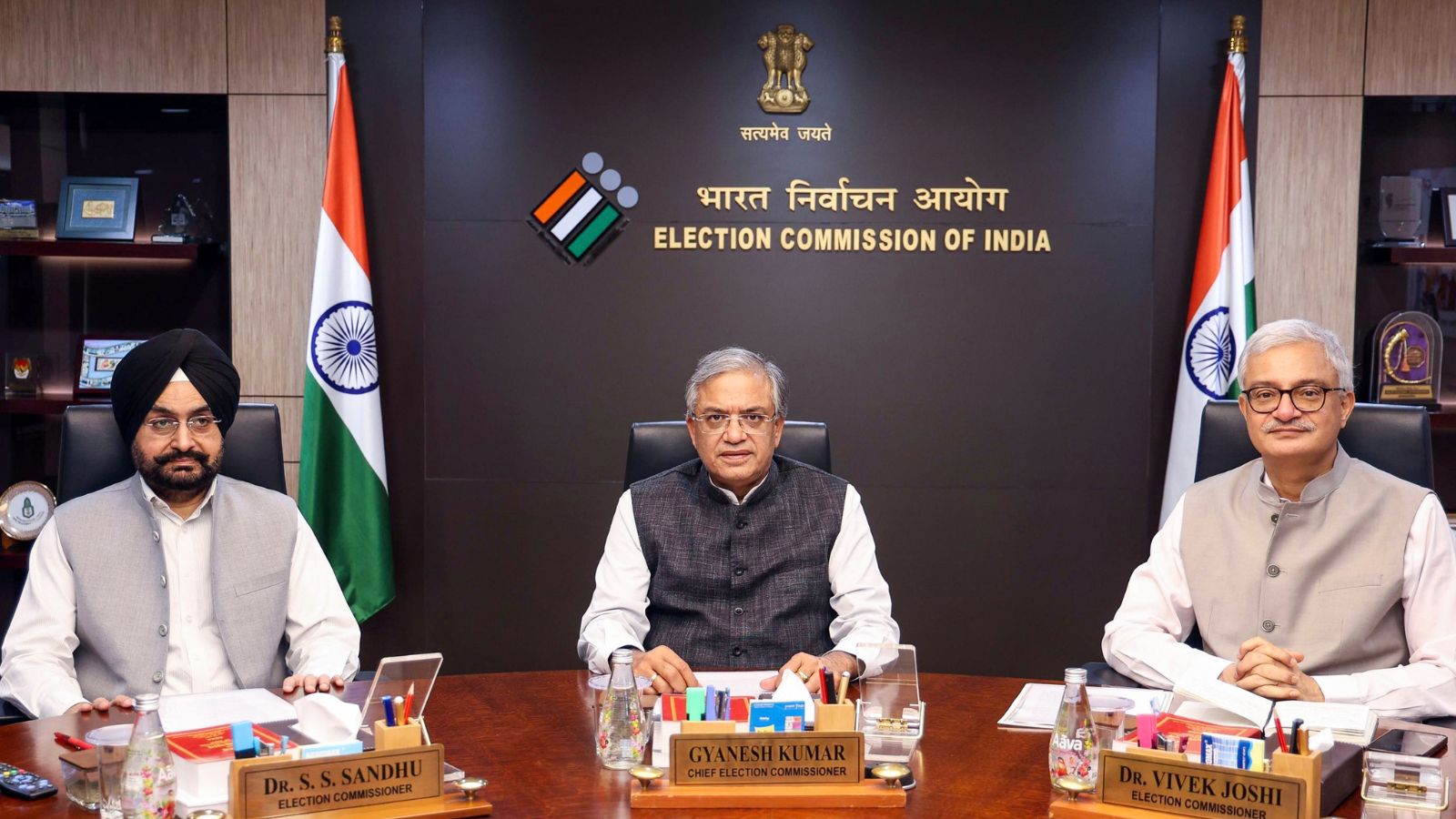


The Election Commission (EC) is caught in a major controversy over allegations of irregularities involving Chief Election Commissioner (CEC) Gyanesh Kumar.
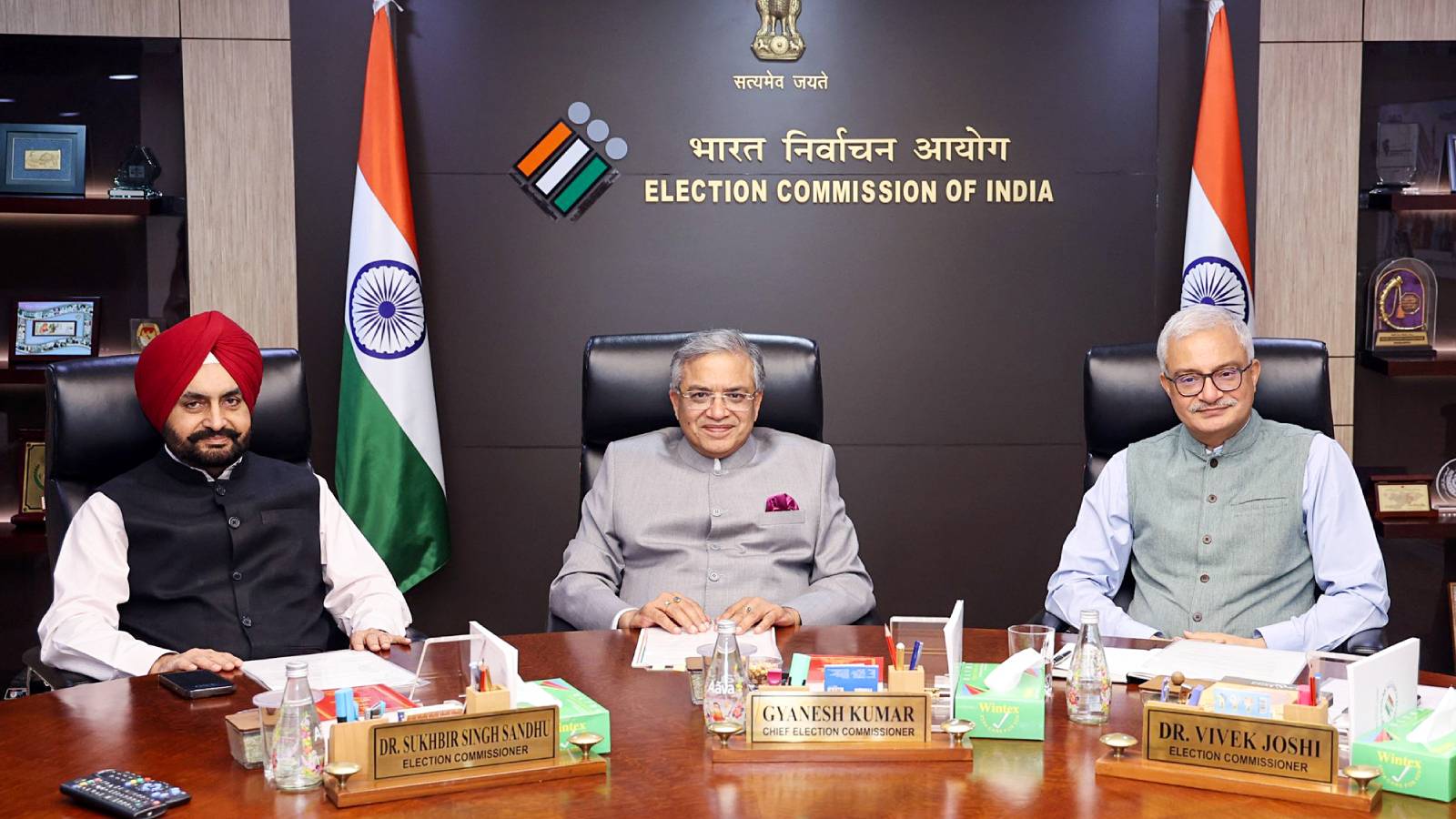
The three-member poll panel also includes Election Commissioners Sukhbir Singh Sandhu and Vivek Joshi. According to an investigation by The Indian Express, the two commissioners have formally objected to decisions taken by the Commission on at least 14 occasions over the past 10 months. They have recorded that some decisions were taken without their knowledge and, in some cases, despite their objections.
That is at the heart of the controversy.
Note: If you are familiar with the current controversy, you can skip the first two subheads and start with ‘What changed in the Election Commissioners’ appointment system?’
Two against one
Sandhu and Joshi’s concerns included changes affecting new voter registration, the deletion of names from electoral rolls and the system through which voter data is handled. They also wrote separately to the Cabinet Secretary about changes in the allocation of work relating to the electoral-roll database.
The Election Commission is a constitutional body, and the three commissioners are equal in rank. Under the law, the CEC is not meant to function as a one-person authority. Where the commissioners disagree, the majority view is supposed to prevail.
The law says that the Commission can decide its own procedure and division of work, but that this must be done by unanimous decision.
That is why the dispute over whether decisions were taken collectively is important.
Behind the immediate dispute are larger questions: how Election Commissioners are appointed, how independent the Commission is from the government, and what happens to public trust when the institution responsible for conducting elections itself becomes the subject of sustained questions.
SIR brought the disagreement into the open
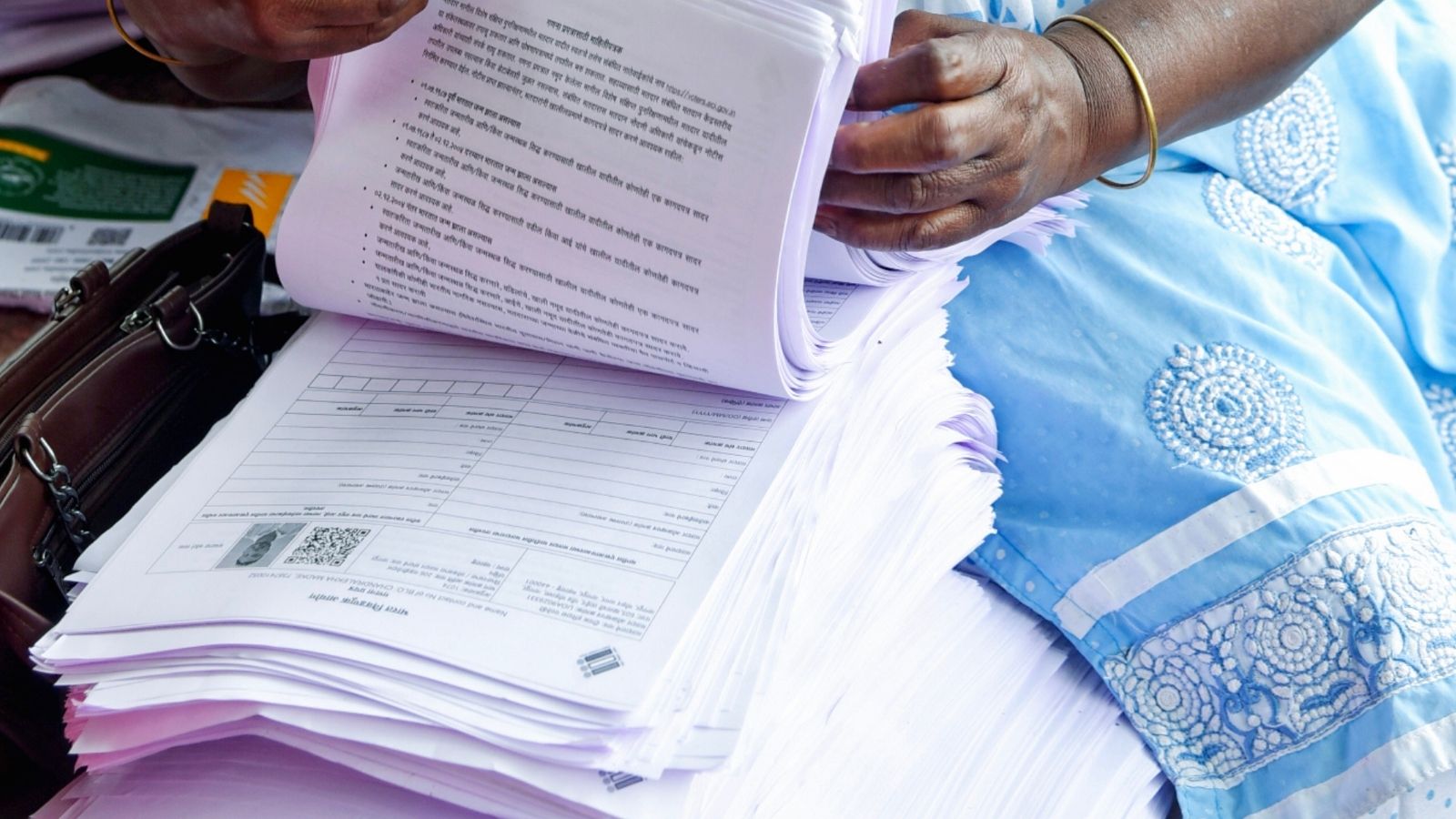
The disagreement became particularly significant because it emerged during the Special Intensive Revision (SIR) of electoral rolls.
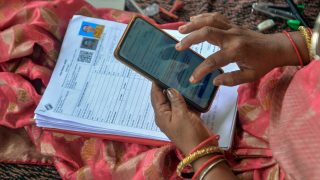
SIR is presented by the Election Commission as an exercise to update voter lists and remove the names of people who are no longer eligible to remain on them. But the process has become politically and legally contentious because it affects who remains on the electoral rolls.
The Indian Express investigation found that some of the internal objections related directly to the SIR process. One example involved Form 6, the application used by people seeking to register as voters. The form was changed to ask new applicants whether they or their parents or grandparents appeared on the electoral roll from the previous SIR.
Joshi had reportedly objected that such a change could not be made without amending the rules. Sandhu later described the change as “unauthorised and illegal” and called for it to be removed.
Also Read:
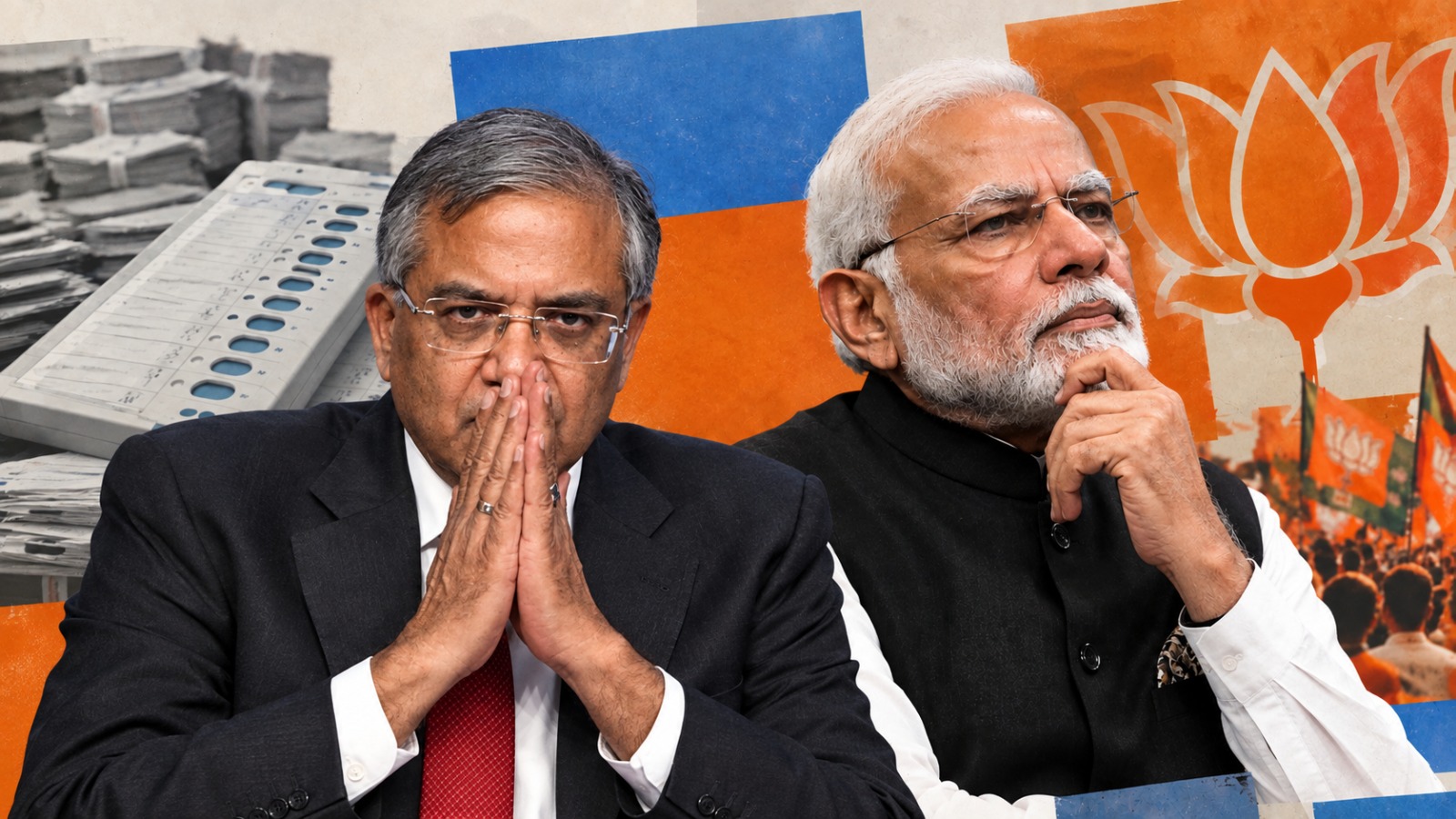
The dispute therefore touches on a basic question: can the leadership of the EC make such changes when the other commissioners have formally objected?
The EC has rejected the claim that its functioning has been driven by one person. It has said that the Commission’s decisions have been unanimous and that focusing only on internal observations gives an incomplete picture.
But the fact that two members of a three-member constitutional body recorded objections has brought the EC’s internal functioning into public scrutiny.
What changed in the Election Commissioners’ appointment system?
There is another layer to the controversy: how Election Commissioners are appointed.
Gyanesh Kumar is the first CEC appointed under the 2023 law governing appointments to the Commission. In March 2023, the Supreme Court directed that appointments should be recommended by a committee comprising the Prime Minister, the Leader of the Opposition and the Chief Justice of India, until Parliament enacted a law.
The law passed later replaced the Chief Justice of India with a Union Cabinet Minister.
The resulting selection committee consists of the Prime Minister, a Union Cabinet Minister and the Leader of the Opposition or the leader of the largest opposition party in the Lok Sabha. Critics contend that the 2–1 government majority on the panel compromises the independence of the election watchdog.
That change has been challenged in the Supreme Court.
On September 23, the Supreme Court saw a split between Justice Satish Chandra Sharma and Justice Dipankar Datta over whether challenges to the 2023 law should go before a larger Constitution Bench. The matter was subsequently referred for consideration by a five-judge Constitution Bench.
The argument around the law is therefore not simply about who gets appointed. It is about the balance between executive power and institutional independence in selecting the people who oversee elections.
Gyanesh Kumar’s career shaped by key government postings
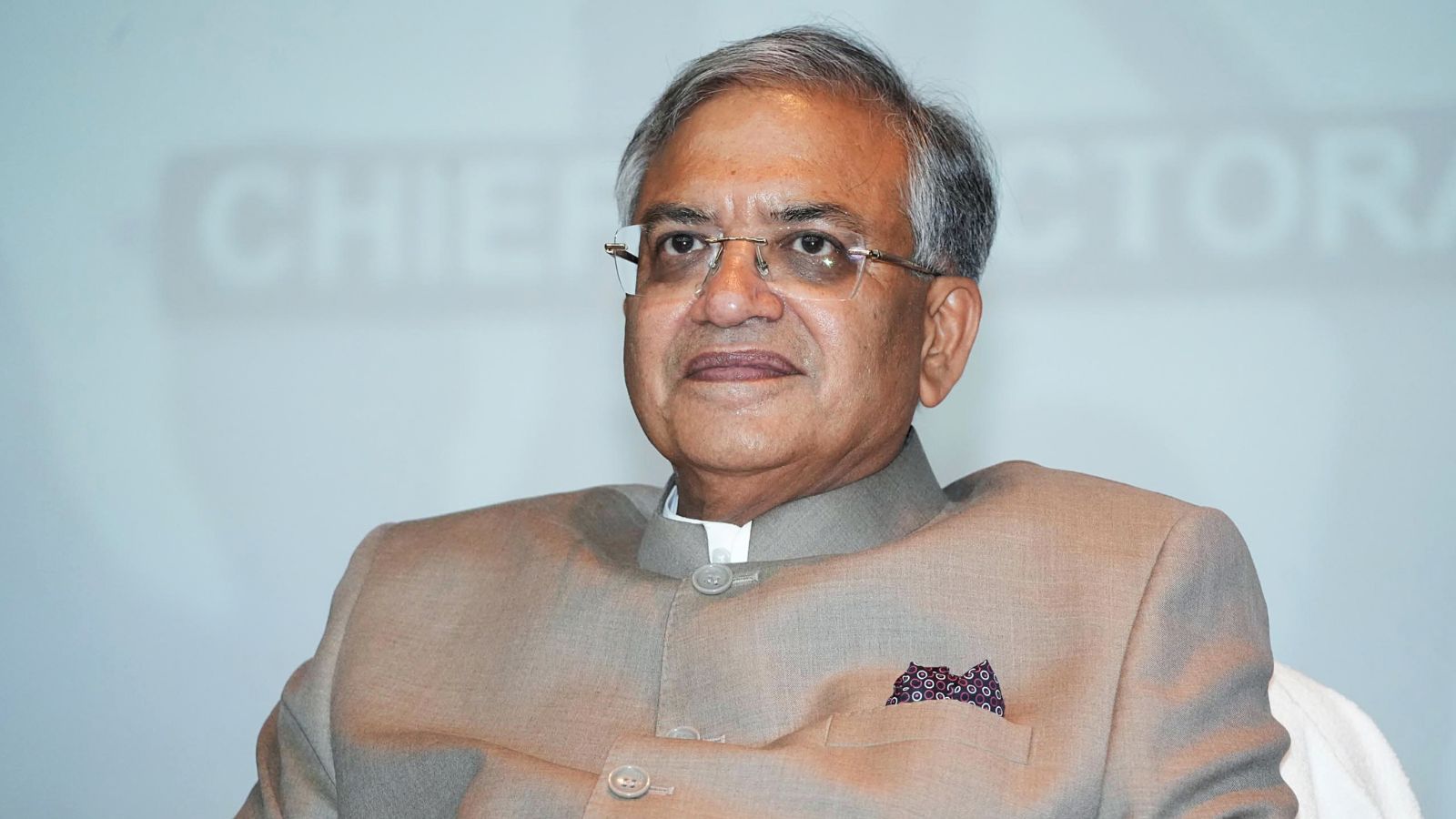
Gyanesh Kumar’s career has also become part of the scrutiny surrounding him. He is a 1988-batch IAS officer of the Kerala cadre. Before becoming an Election Commissioner, he held several senior positions in the Union government.
During his career, he held important positions in the Union government, including in the Home Ministry. According to The Wire, Kumar headed the Jammu and Kashmir division of the Ministry of Home Affairs in 2019, when Article 370 was revoked and Jammu and Kashmir was reorganised into two Union Territories. He had also been involved in setting up the Shri Ram Janmabhoomi Teertha Kshetra Trust while serving in the Home Ministry.
He became an Election Commissioner in March 2024, shortly after retiring from the IAS, and was elevated to Chief Election Commissioner in February 2025.
His career progression through these senior positions took place during the Narendra Modi government’s tenure.
That career path is relevant to the current debate because the EC is expected to operate independently of the government whose elections it oversees.
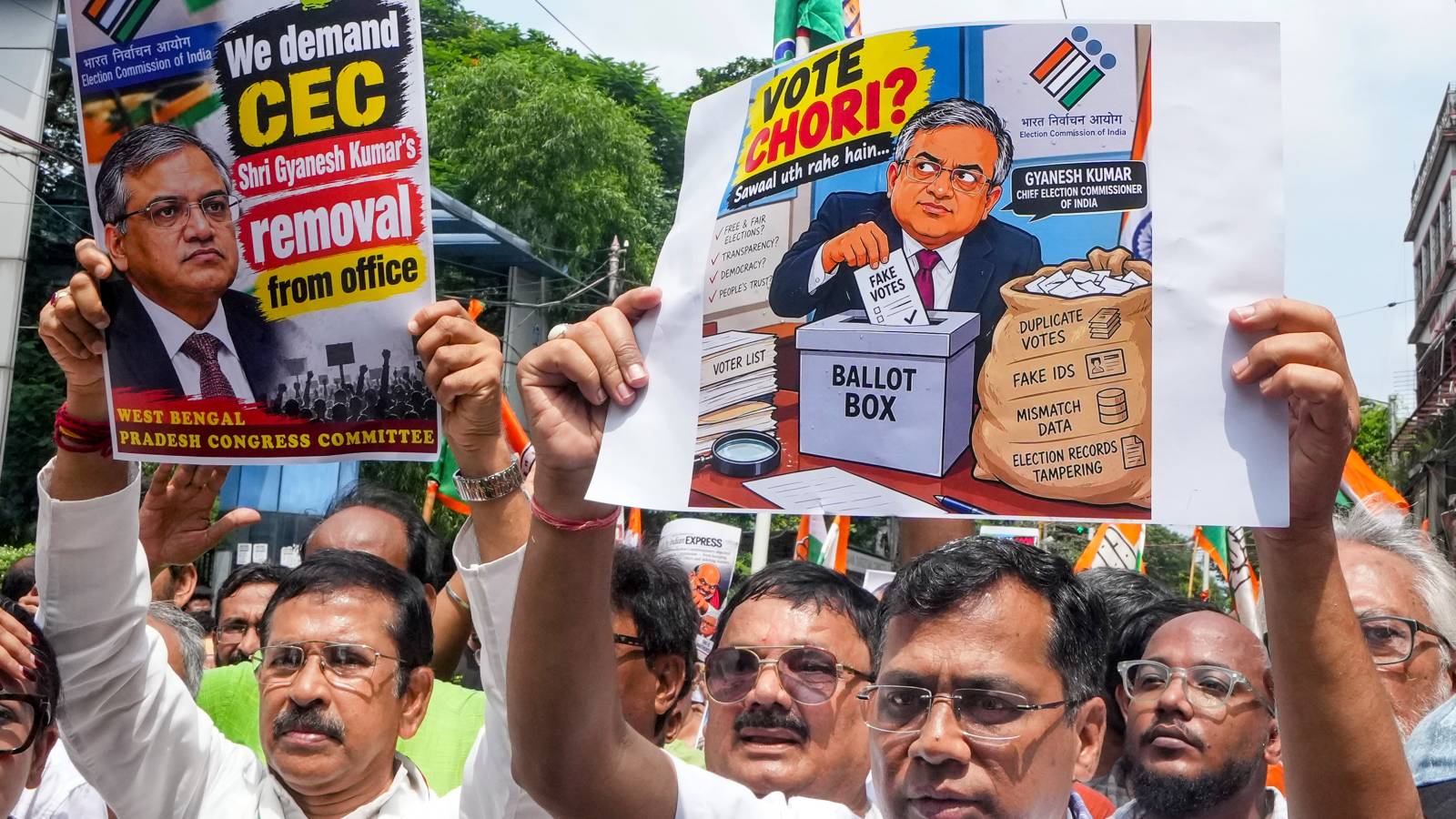
Earlier controversies returning to the spotlight
There have also been controversies associated with Gyanesh Kumar before he joined the Election Commission.
In 2006, when he was Kerala’s Public Works Department (PWD) Secretary, Malaysian project officer Lee Been Seen died by suicide after returning to Malaysia. A note attributed to Lee reportedly named several officials, including Kumar, and alleged harassment, project delays and the withholding of financial clearances.
The allegations led to a vigilance inquiry, and Kumar was transferred out of the PWD. The investigation did not result in a prosecution or a definitive finding of wrongdoing against him. The material available on this incident also records jurisdictional difficulties because the death occurred outside India.
Then came the controversy involving his daughter.
The Medha Roopam controversy

Gyanesh Kumar’s daughter, IAS officer Medha Roopam, is the District Magistrate of Gautam Buddh Nagar. This is a separate case, but it has acquired institutional significance because of her relationship to the sitting CEC.
The case began with the detention of Delhi University student Akriti Chaudhary under the National Security Act (NSA) in connection with a workers’ protest in Noida.
On September 7, 2026, the Allahabad High Court quashed the detention. According to Live Law, it also criticised the Noida administration and directed that Rs 5 lakh in compensation be recovered from the salaries of officials involved, including Medha Roopam.
Roopam and the Uttar Pradesh government challenged the High Court order in the Supreme Court.
On September 23, a bench comprising Justice Satish Chandra Sharma and Justice N Kotiswar Singh granted interim relief concerning the adverse observations against Roopam and the compensation direction. The Supreme Court subsequently clarified that it had not stayed the Allahabad High Court’s decision to quash Chaudhary’s detention. The stay was limited to the High Court’s strictures and the compensation direction.
Why Justice Satish Chandra Sharma became part of the controversy
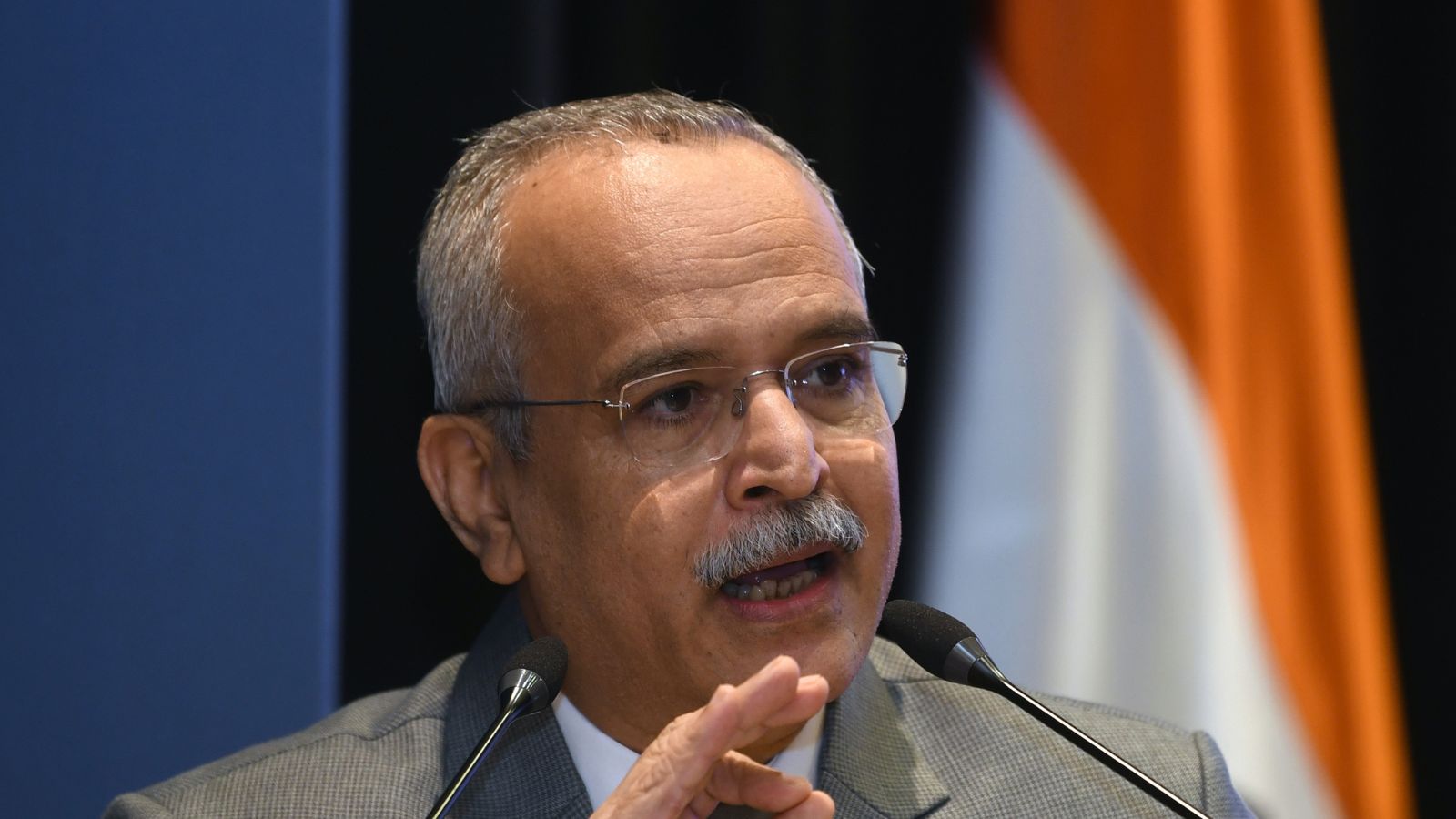
The relevance to the larger story comes from timing and perception. On the same day that Justice Sharma was involved in proceedings concerning the law governing the appointment of Election Commissioners, his bench also dealt with a case involving the daughter of the sitting Chief Election Commissioner. The two matters are legally separate.
But when institutions are already facing questions about independence, even the appearance of an unusual procedure can become significant.
Questions were also raised about how Roopam’s petition reached the Supreme Court bench of Justice Satish Chandra Sharma and Justice N Kotiswar Singh.
According to Live Law, the bench was not ordinarily assigned preventive-detention and habeas corpus matters under the roster then in force. Other matters connected with the same Noida workers’ protest were before another Supreme Court bench.
The Lawyers Association for Constitution subsequently wrote to the Chief Justice of India, asking for clarity over the listing of the petitions. It also raised questions about the hearing arrangements, including the muting of the proceedings.
These questions do not amount to a judicial finding that the listing was improper.
What happens next?
The immediate questions are practical. Will the Election Commission explain how the objections raised by Sandhu and Joshi were dealt with? Will the dispute over SIR and voter registration be resolved transparently? And will the continuing legal challenge to the 2023 appointment law clarify how independent the Commission’s appointment process should be from the government?
None of these questions, by themselves, establish that an election has been compromised. But an election authority depends on public acceptance of its decisions. Voters may disagree with an election result, but they need to believe that the institution conducting the election follows transparent and consistent procedures.
This is also why questions around a separate court case involving the CEC’s daughter can become part of the same public conversation, even when there is no established connection between the cases.
The current controversy has put that process under scrutiny. For voters, this may be the most important part of the story: not simply who runs the Election Commission, but whether the system around it continues to be seen as independent, transparent and credible.
(Sources: ThePrint, Live Law, The Indian Express, Inventiva)
(In Context looks beyond the headline to understand the story behind the story — the events that led to it, the forces shaping it, the people affected by it and what it tells us about the world around us.)