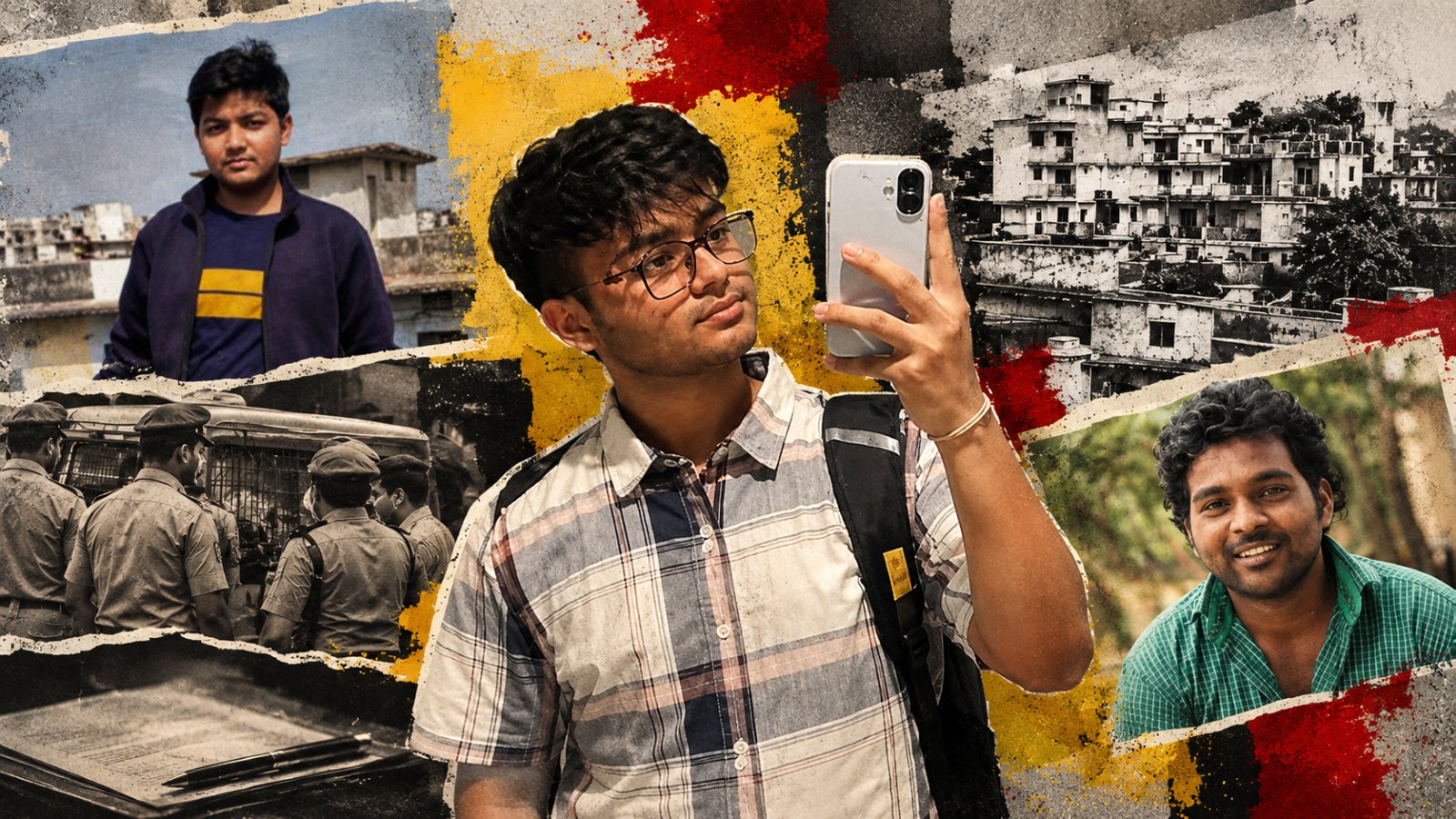


The death of IIT Bombay student Sahil Ravindra Wakode has once again put the spotlight on student welfare, academic pressure, caste discrimination and institutional accountability on India's campuses.
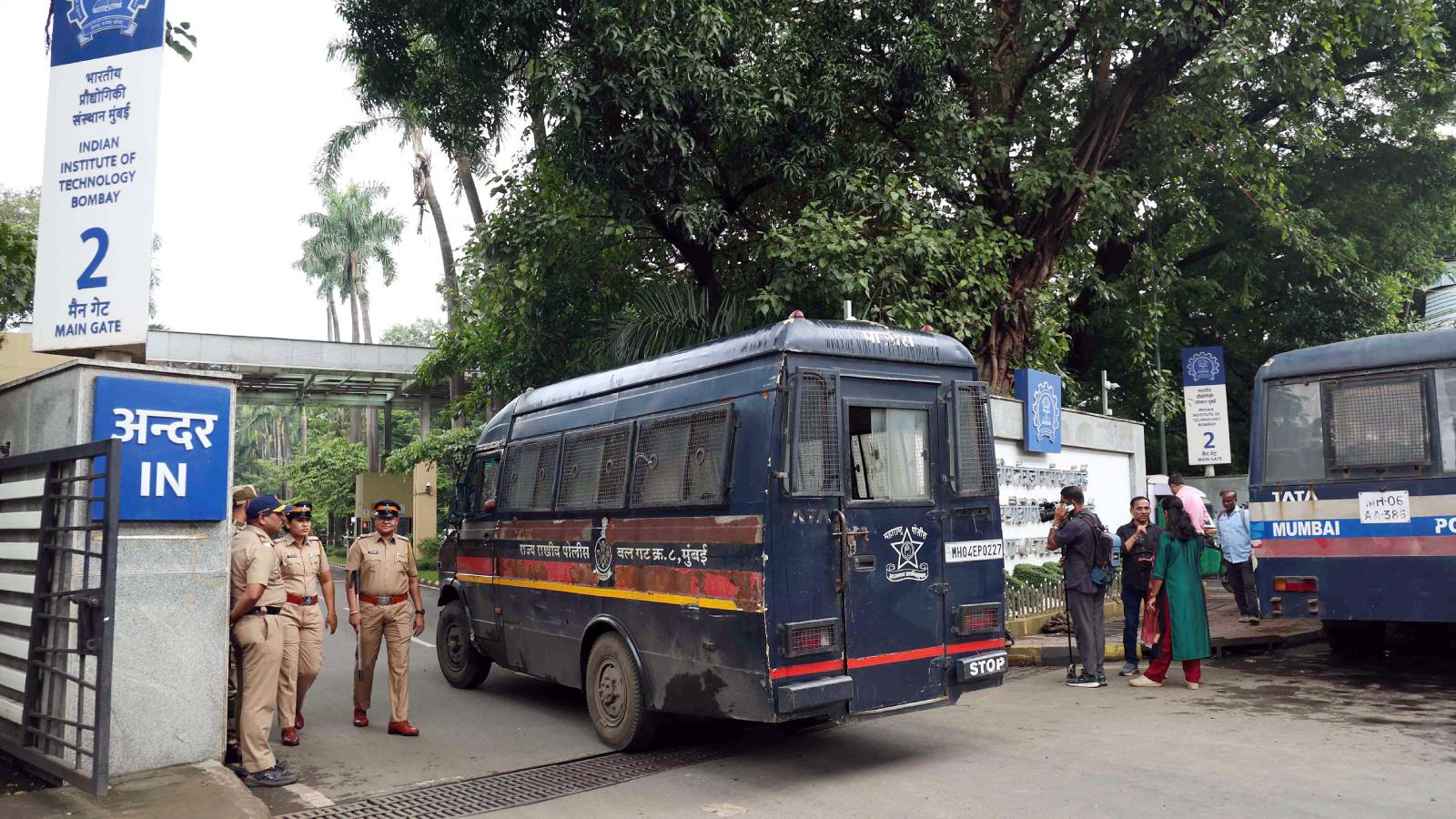
Wakode, a second-year BTech student in Energy Science and Engineering, died by suicide on September 18, hours after an incident during a mid-semester examination in which he was allegedly found using a mobile phone.
His parents have alleged caste-based harassment and named a professor in their complaint. An FIR was registered under provisions relating to abetment of suicide and the SC/ST (Prevention of Atrocities) Act, and the case was transferred to the Mumbai Crime Branch.
IIT Bombay has denied caste discrimination and said no complaint had been made by Wakode to its SC/ST Cell. The allegations remain under investigation.
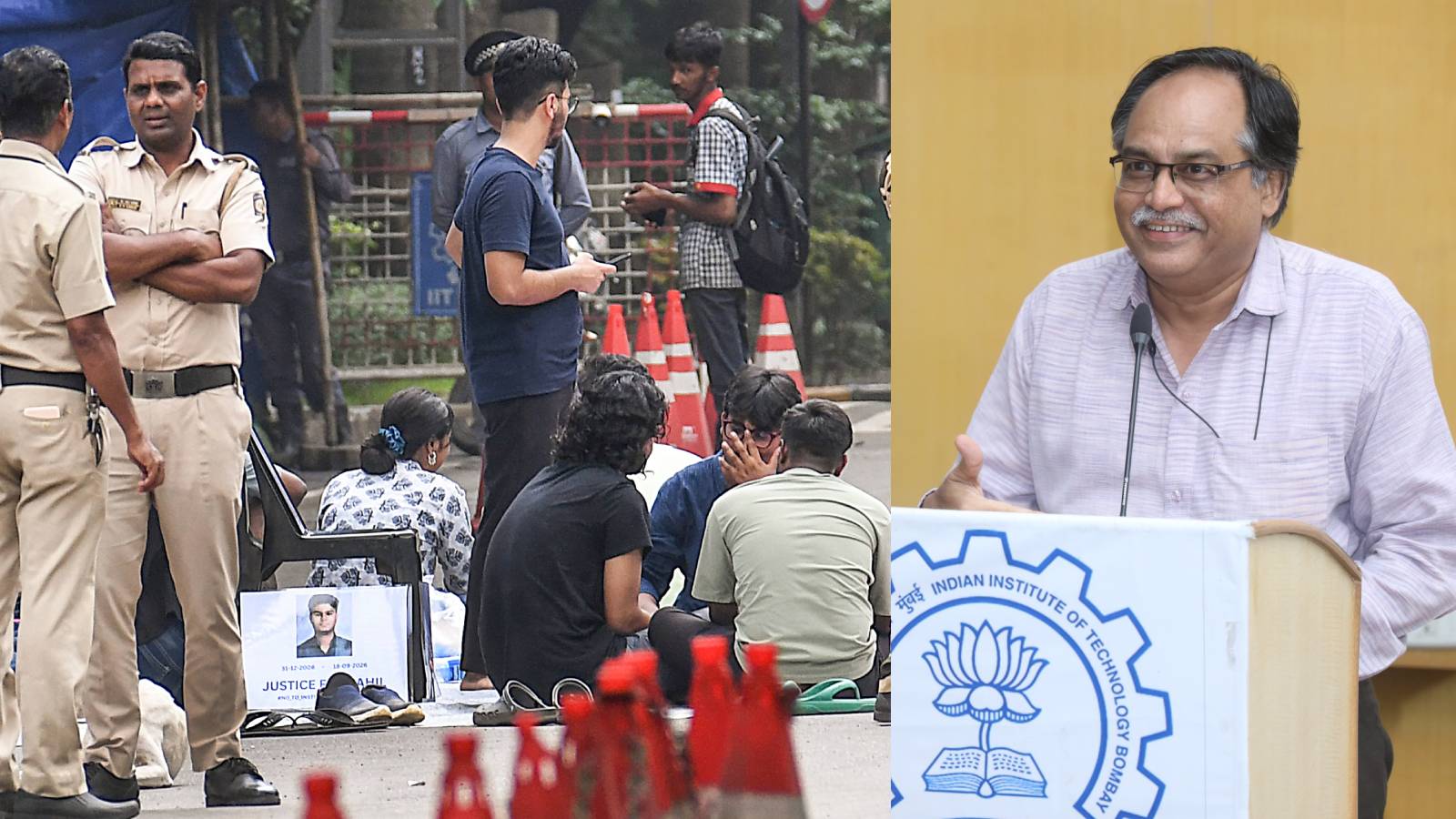
The death triggered three days of protests at IIT Bombay, with students demanding accountability as well as wider changes to the institute's academic, disciplinary and mental-health systems.
On September 20, IIT Bombay director Shireesh Kedare signed an 18-point charter submitted by protesting students. The demands included an independent inquiry, action against those found responsible, changes to disciplinary procedures, stronger mental-health support and greater transparency in institutional processes. The administration said due process would be followed.
But the protests also raise a question that extends beyond one institute: as student suicides rise across India, how are educational institutions responding, and are those responses reaching students before a crisis?
Because it is also the third reported student suicide at IIT Bombay's Powai campus this year - and the third in just seven months. A second-year student died by suicide in February, while another 20-year-old second-year BTech student died in July, at the beginning of the new semester.

Student suicides have risen sharply
The concern extends far beyond IIT Bombay.
The latest NCRB data, which was released in May 2026, shows that 14,488 students died by suicide in India in 2024, compared with 13,892 in 2023. That represents a 4.3% increase in a single year. The 2024 figure was also substantially higher than the 8,068 student suicides recorded in 2014.
The longer-term trend is even more striking.
In 2014, NCRB recorded 8,068 student suicides. That number crossed 10,000 in 2018 and reached 10,335 in 2019. It then rose sharply to 12,526 in 2020 and crossed 13,000 in 2021. After continuing to rise through 2021 and 2022, the number reached 13,892 in 2023 and 14,488 in 2024.
When a death exposes problems inside an institution
At IIT Bombay, the response to Wakode's death has focused not only on the circumstances immediately preceding his death but also on how academic discipline, grievance redressal and mental-health support operate on campus.
Students have demanded changes to the way disciplinary cases are handled, stronger mental-health services and mechanisms to address discrimination. The institute's director has signed their 18-point charter, although implementation and the outcome of the investigation remain to be seen.
Similar questions emerged after the death of Darshan Solanki, an 18-year-old IIT Bombay student who died in 2023. His family and student groups alleged caste discrimination. An institute committee did not find specific evidence of direct caste discrimination leading to his death, a conclusion that activists disputed.
The case nevertheless prompted renewed discussion around caste, social isolation, student welfare and the safeguards available to students from marginalised communities.
The issue has also appeared outside the IIT system.
KIIT case brought regulatory scrutiny
In 2025, the deaths of two Nepali students at KIIT in Bhubaneswar within a few months brought the institution's treatment of international students, grievance redressal and harassment complaints under scrutiny.
On February 16, 2025, Prakriti Lamsal, a 20-year-old third-year BTech Computer Science student from Nepal, was found dead in her hostel room at KIIT in Bhubaneswar. Police initially registered the death as a suspected suicide.
But what followed raised questions about what happened before her death.
According to an NHRC inquiry, Prakriti Lamsal reportedly complained twice about harassment and alleged blackmail by a fellow student. According to later inquiries, her complaints were handled by the university's International Relations Office (IRC) rather than being referred to the Internal Complaints Committee (ICC). The male student was briefly suspended, and both were made to sign an undertaking.
After her death, protests by Nepali students erupted, leading to allegations that university security personnel and officials manhandled protesters and that Nepali students were ordered to leave campus. Police arrested the accused student for alleged abetment of suicide, while the NHRC later found ‘gross negligence and omission’ by university authorities in handling Lamsal's complaint.
Following the findings, the UGC issued a show-cause notice to KIIT in July 2025, citing serious concerns over its mental-health support system, safety protocols and administrative response mechanisms. The regulator warned of possible action, including restrictions on expansion and, in more serious circumstances, closure of programmes or withdrawal of deemed-university status.
The KIIT case therefore illustrates a different dimension of the student-suicide debate: the question is not only whether counselling is available after a student reaches a crisis, but whether complaints are acted upon, whether distress is identified early and whether institutional grievance mechanisms actually protect students when they seek help.
Also Read:
Similarly, a second-year BDS student at Sharda University in Greater Noida was found dead in her hostel room on July 18, 2025.
Her suicide note reportedly named two faculty members and accused them of mental harassment and humiliation. Her family also alleged prolonged harassment by the university administration.
An FIR was registered against several faculty members. The two professors named in the note were arrested on allegations including abetment of suicide, while additional faculty members were suspended pending investigation.
The university initiated an internal inquiry and acknowledged lapses in its administrative and mentor–mentee processes. It said reforms would focus on faculty-student interactions, counselling and grievance handling.
Police also examined an alleged delay in reporting the death and the circumstances in which university staff took the student to hospital before informing police and her family.
From ragging to caste discrimination
The problem is not new.
Aman Kachroo, a 19-year-old medical student, died in 2009 after being subjected to ragging by senior students at Rajendra Prasad Government Medical College in Himachal Pradesh. His death became a major case in India's efforts to strengthen anti-ragging measures and institutional accountability.
The response included the UGC's anti-ragging regulations and continued judicial scrutiny of how educational institutions prevent and respond to ragging.
Years later, the death of University of Hyderabad research scholar Rohith Vemula in 2016 triggered a nationwide debate over caste discrimination, student rights and institutional accountability. Vemula's death followed his suspension along with other student activists, and the circumstances surrounding his treatment became the subject of intense political and institutional debate.
Rohith Vemula's death in 2016 had effects beyond the University of Hyderabad, particularly on how caste discrimination and student grievances were addressed in higher education. An inquiry into the university highlighted weaknesses in its grievance-redressal mechanisms and the need for better counselling and support for students from socially and economically disadvantaged backgrounds.
At the University of Hyderabad, an anti-discrimination officer and Equal Opportunity Cell were subsequently created, although questions remained about how effectively these mechanisms worked.
More broadly, Vemula's case became part of a longer push to strengthen UGC rules on discrimination in higher education. A 2019 Supreme Court petition filed by the mothers of Rohith Vemula and Payal Tadvi sought stronger implementation of anti-discrimination safeguards. That process eventually contributed to the UGC's updated equity regulations notified in January 2026, which provide for mechanisms addressing caste-based discrimination in higher education.
These cases are not identical, nor do they establish a single explanation for student suicides. But they demonstrate how deaths on campuses can expose weaknesses in systems meant to protect students, whether the issue is ragging, discrimination, harassment, grievance redressal or mental-health support.
Also Read:

Institutions are responding, but often after tragedy
There have been significant changes in the institutional and regulatory response to student suicides.
The Supreme Court, noting the pattern of student suicides in higher education, constituted a National Task Force on March 24, 2025, to examine the causes of student suicides and assess existing legal and institutional frameworks. Its mandate includes recommending preventive measures, stronger accountability and reforms to create more inclusive and supportive academic environments.
By June 2026, the task force had visited 30 higher-education institutions across 10 states and conducted 25 stakeholder consultations. Its discussions included caste discrimination in higher education, gender and mental health, students from marginalised communities and the relationship between mental health and student suicides. The Supreme Court has given the task force until October 31, 2026, to submit its final report.
At the institutional level, responses increasingly include counselling services, grievance mechanisms, anti-ragging measures, faculty sensitisation and anti-discrimination systems.
But the difficult question is not whether institutions respond after a student dies.
It is whether those systems work before a crisis reaches that point.
The real test is prevention
The circumstances surrounding Sahil Wakode's death are still being investigated. The allegations of caste harassment remain allegations, while IIT Bombay has denied institutional caste discrimination.
But the protests that followed his death have placed a broader set of questions before one of India's premier institutions: How should academic misconduct be handled when a student's well-being may also be at stake? How accessible are grievance mechanisms? Can students report harassment without fear of repercussions? Are mental-health services available early enough? And are complaints involving discrimination or harassment independently and transparently examined?
Across India's campuses, the rising number of student suicides makes these questions harder to ignore.
The institutional response cannot begin only after a death, an investigation or a protest. The measure of a campus safety system is whether a student in distress can find help, report a problem and receive meaningful intervention before the situation becomes a crisis.
That is the challenge now facing IIT Bombay and higher education institutions across India.
Also Read:
Reader advisory: This story discusses suicide. If you or someone you know is struggling with suicidal thoughts, please seek immediate support. In India, call the Tele-MANAS helpline at 14416 for free, confidential mental-health support. In an emergency, call 112.