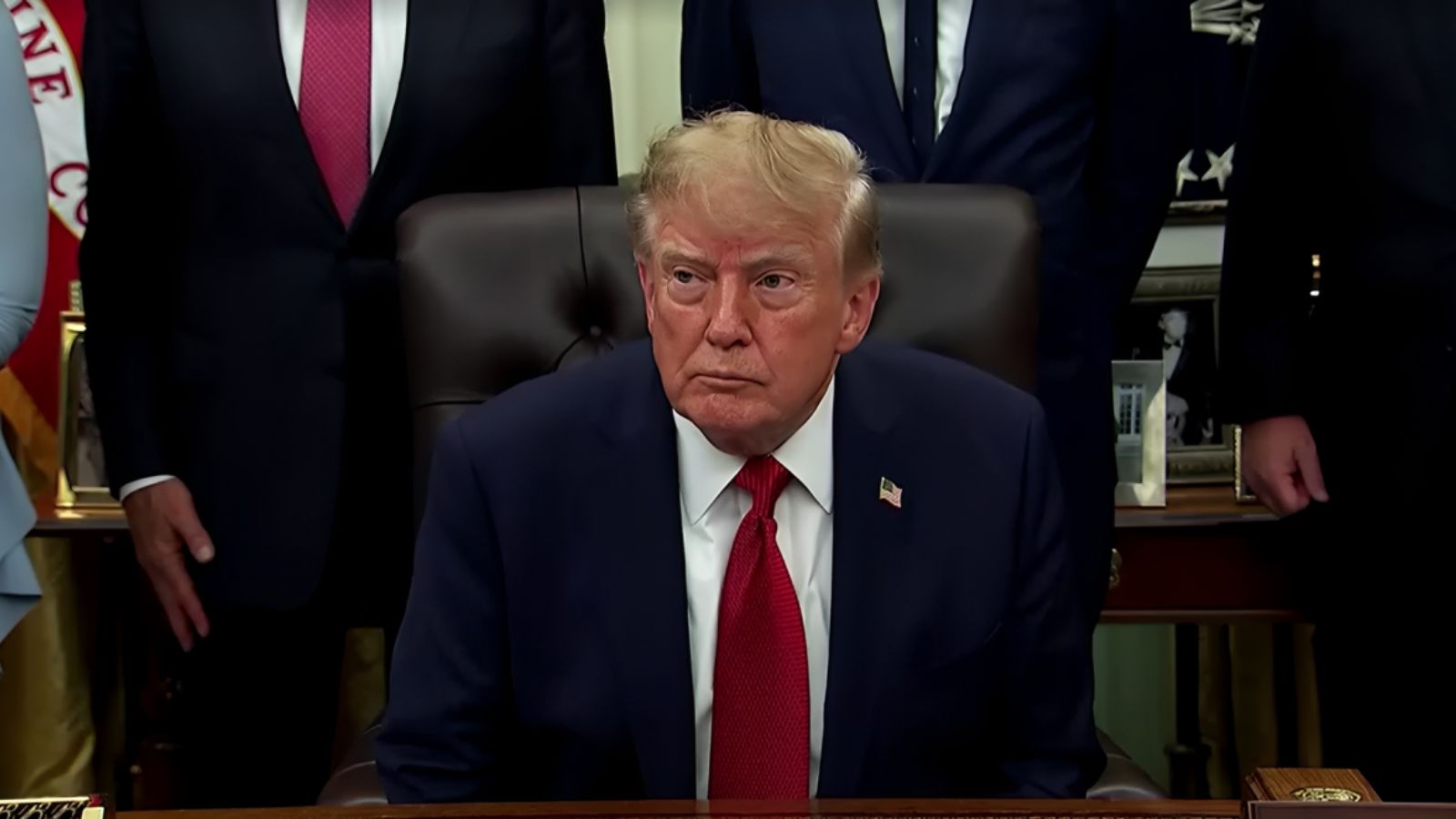


New York: CNN, MS NOW and Politico filed a lawsuit against President Donald Trump's administration on Monday over being denied White House access.
The three outlets said they had filed the lawsuit in a joint statement posted on X, two days after their reporters were blocked from the White House and prevented from doing their jobs. The reporters' entry badges were disabled on Saturday, a day after Trump had suddenly announced he was barring the outlets because of reporting he found to be ‘fake news’.
The White House did not immediately respond to a request for comment early Monday.
Vice President JD Vance defended Trump's decision, saying the outlets were not banned but had been refused ‘special access’ to the White House.
“He's not banning media outlets. What he's doing is saying, ‘We're not going to give you special access to the White House if you engage in what is effectively propaganda,’” Vance told the media as he boarded a plane to attend a campaign event in North Carolina.
Vance said the majority of stories about Trump and his administration ‘are negative’ and did not dispute the basis for the decision.
Also Read:
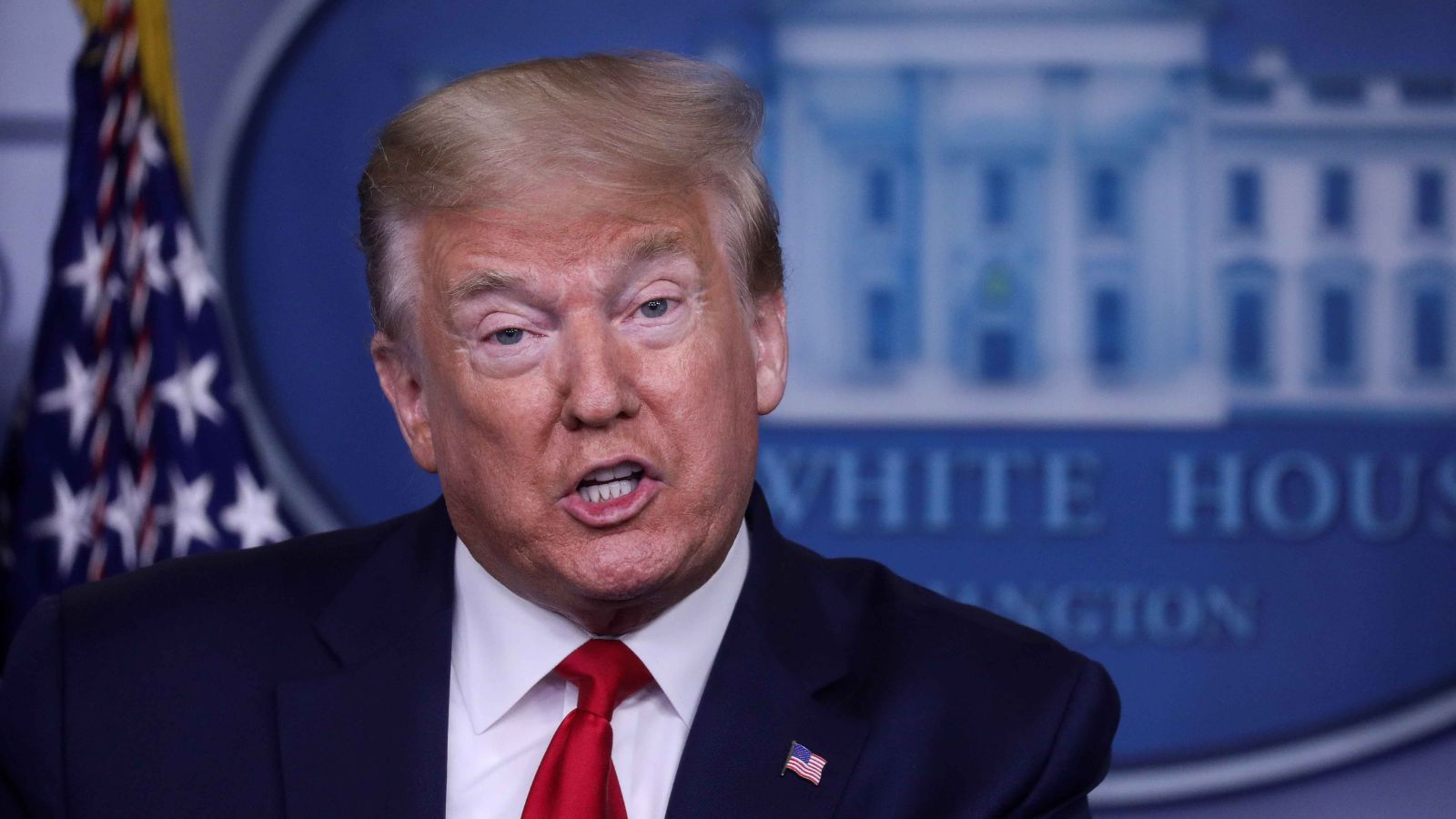
The actions were described as a clear escalation of Trump's long-running efforts—in the courts and through administrative action—to restrict news coverage by journalists he finds objectionable, and were the latest test of First Amendment protections in the United States.
White House reporters from the two cable networks—Betsy Klein of CNN and Akayla Gardner of MS NOW—went live to report they'd been turned away, their press badges deactivated, when arriving for their jobs at the White House. Soon after, Politico said its White House reporter Cheyenne Haslett was also denied entry and had her badge confiscated.
“This morning, we notified the government that we are filing a lawsuit today to protect our First Amendment rights and defend the principle that the government does not decide what the press reports or publishes,” the outlets said in a joint statement posted early Monday on X.
“Without notice or process, the White House revoked our journalists' credentials because it objected to our reporting. Left unchallenged, this threatens press freedom and the public's right to independent journalism free from government interference.”
In their complaint filed in federal court in Washington, DC, the outlets said Trump cannot ban them solely because he dislikes what he calls their ‘negative’ coverage and reserve coverage for media outlets that offer praise.
They said the public deserves ‘current and complete information’ about their government and described the ban as a ‘direct assault on the First Amendment’.
In his second term, Trump and his Republican administration have taken further steps against certain media outlets, both in the courtroom and through regulatory action. Trump has also lashed out at individual reporters in person or over social media, sometimes in strikingly personal terms—insulting them in briefings or in his recent speech at the White House Correspondents' Association (WHCA) dinner.
The WHCA's president, Jacqui Heinrich, called on the Trump administration to immediately restore the three outlets' access.
“The implications extend beyond these organisations: a standard used to exclude one news outlet because of its coverage could be applied to any outlet in the future,” Heinrich said. “The American people, through a free and independent press, must be able to scrutinise those elected to power, regardless of whether government officials view it favourably.”