




When it came and became accessible, email took away the charm of written letters.
Remember Tom Hanks-Meg Ryan pair’s ‘You've Got Mail’? Literally, the email notification had a whole generation bound to its tone. And writing letters that would take ages to deliver the message was nothing but boring.
However, like everything else, in this era of AI, people crave a handwritten letter. Things we lost or forgot in the past are making a comeback or we are bringing them back.Maybe that is the strange charm of the past, a pinching nostalgia, which makes the things we once found boring now feel precious.
The nostalgia that was never ours
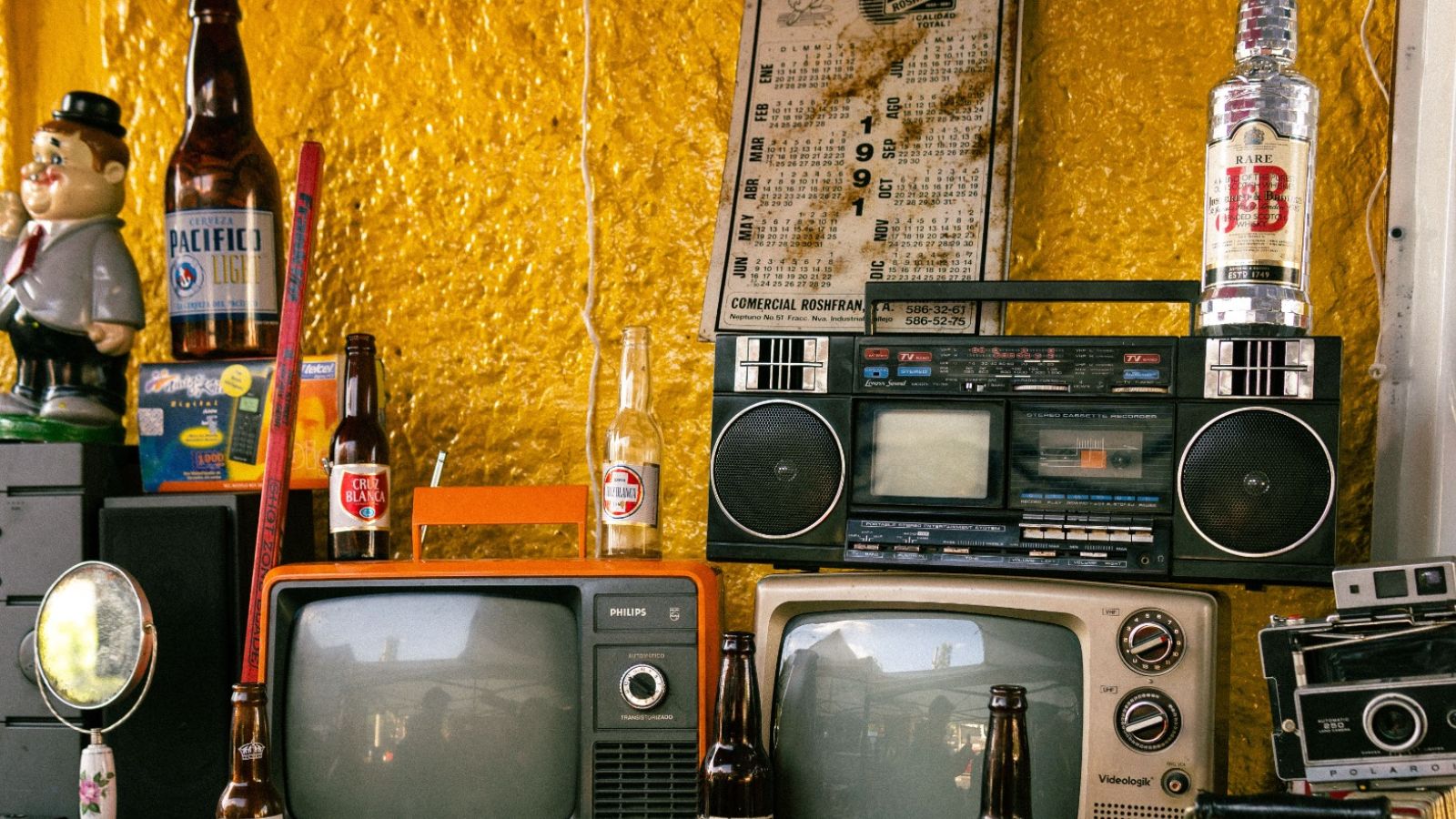
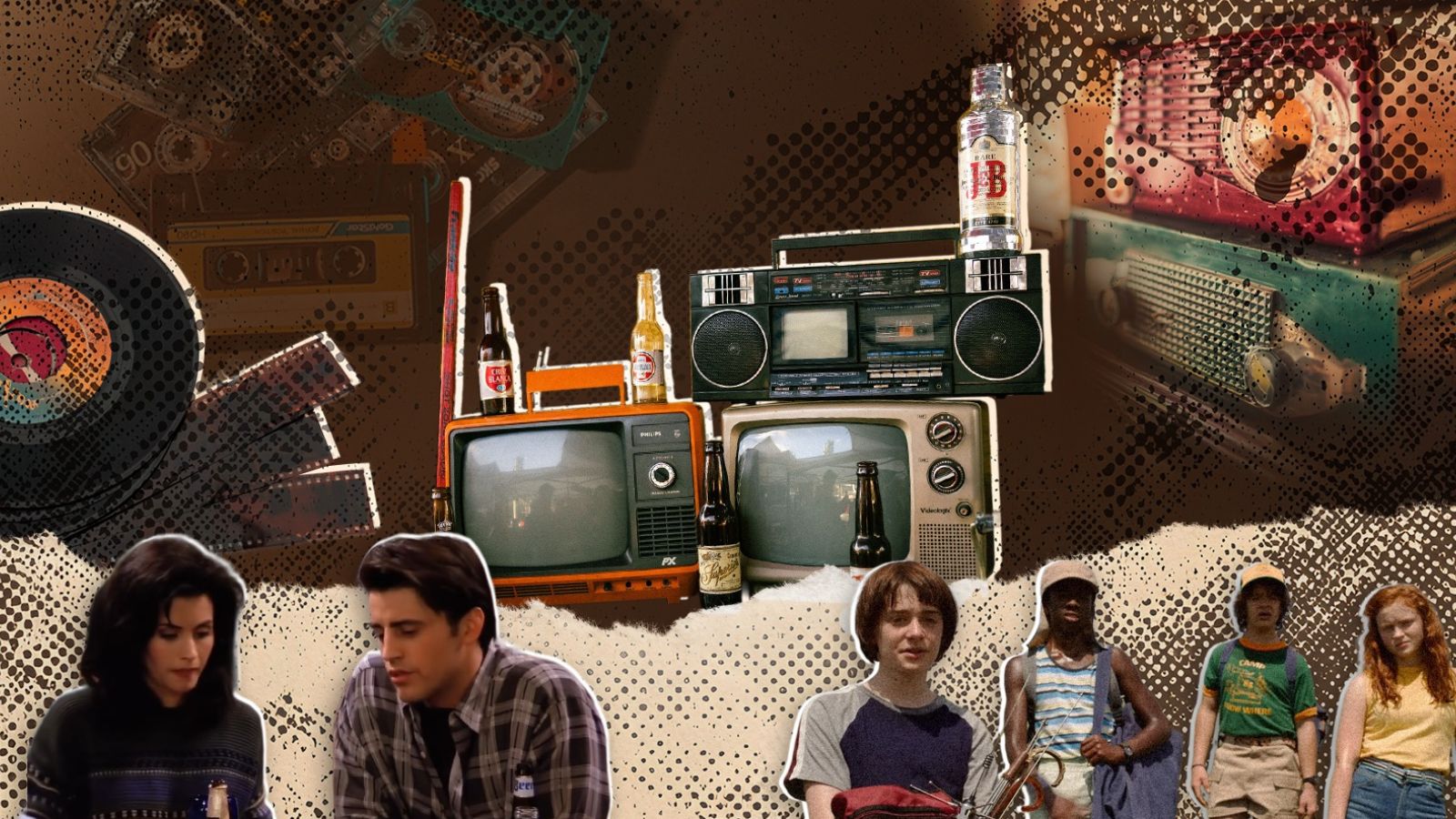
The nostalgia was not new. Everyone would feel a longing for a past that was never theirs; People feel connected to the old days through the stories of their parents or the older generations.
And now, things are more accessible, even the past. The internet has collapsed decades into a single scroll. A teenager can watch a 1990s sitcom, listen to a 1980s song, discover a 1970s interior on Pinterest, and buy a vintage camera - all within minutes.
It looks like nothing has actually gone anywhere.
When F.R.I.E.N.D.S made the past fashionable
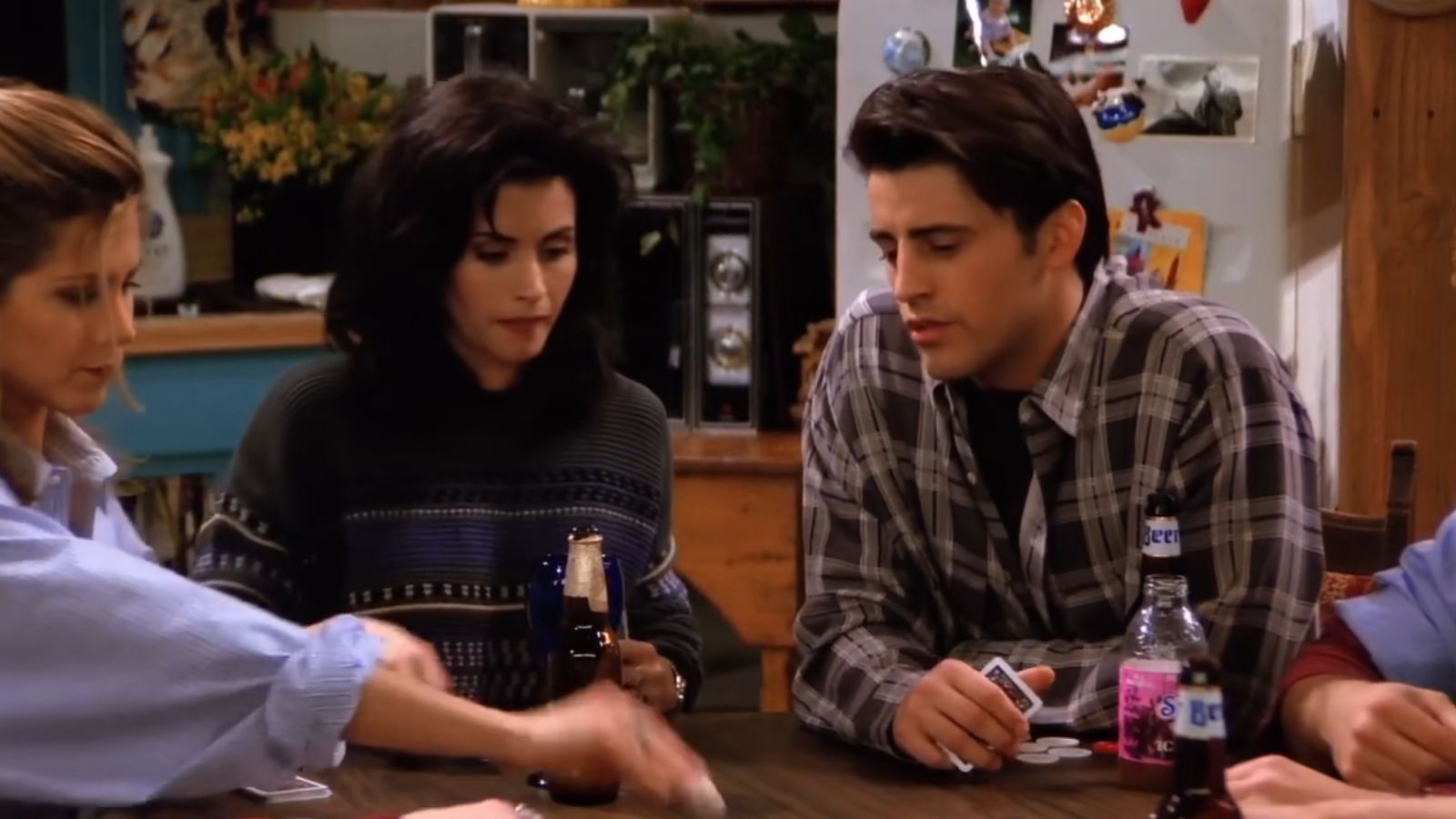
The wave that American sitcom ‘Friends’ brought will tell that story in detail. It didn’t just bring the good old days to any random American street, but to all over the world. Teenagers, young adults, everyone loved it, and it became part of everyday aesthetics.
The sitcom ended in 2004, yet its apartments, clothes, hairstyles, and characters continue to circulate among audiences who were barely old enough to know television existed when it originally aired. But ‘Friends’ merchandise is still trending, and the memes and the cuts too, people just carry Joey and the gang everywhere.
Stranger Things and the return of the 1980s
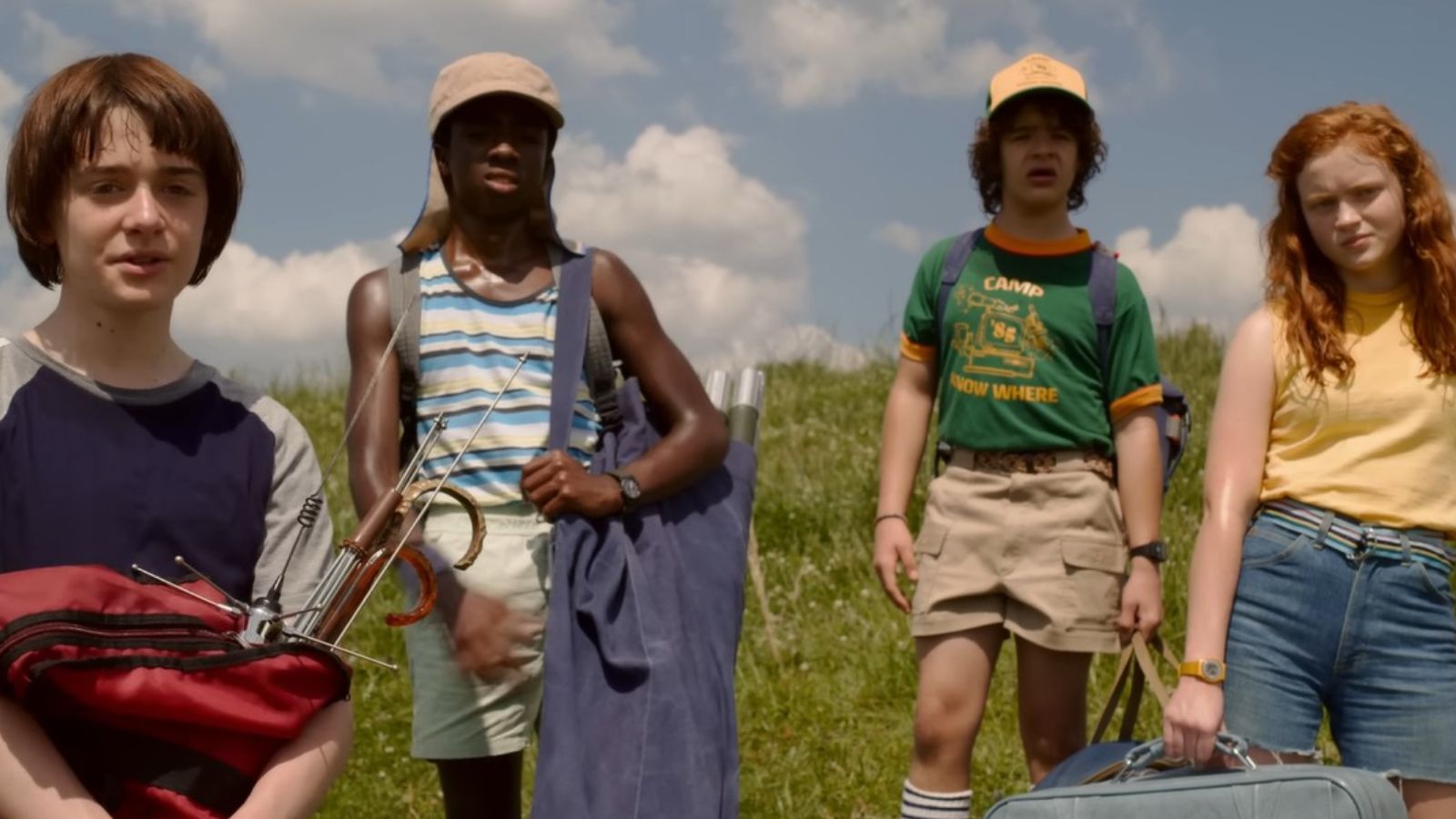
Then came Stranger Things. The new-age show was nothing but pure nostalgia. The 80s were reintroduced to Gen Z. It’s not only the show and characters the audience loved, but they also heard the music they once loved or heard somewhere but had kind of forgotten.
The series turned the 1980s into more than a setting. Bicycles, arcades, video games, telephones, clothes, horror films, shopping malls, and music also became part of the show's identity. For a younger audience, the decade was not history. It was an aesthetic. And once the aesthetic arrived online, it spread everywhere.
Also, Steve Harrington’s 1983 model Mercedes - Benz has a separate fan base.
Songs from another era
Platforms like TikTok, Instagram, Spotify, etc. have helped to recirculate the songs we already forgot. From jazz and blues to Elvis Presley’s, Bob Dylan's classics, Queen, and Madonna’s.
Stranger Things helped introduce Kate Bush's ‘Running Up That Hill’ to a new generation, decades after the song was ‘re-released’. The interesting part is not simply that an old song became popular again. It is that a generation that never lived through the original moment can make the song its own.
Now, thanks to the streaming platforms, a song doesn’t have to disappear when its era ends. Beyond time, someone will rediscover it again.
The interesting point is that the past can be re-released, but with an algorithm.
Back then, colours existed
When minimalism began to take the main stage, what everyone, especially the younger generation, began to miss was the old vibrant colors that filled the air.
Walk to an office, cafe, or even our homes; now most will be in combinations of white, beige, grey, or brown. Back then, our world was more colourful.
Minimalism has become a global visual language. Everything is clean, matching, and calm; it looks professional.
Then look at photographs from the 1970s, 1980s, or 1990s.
There is orange, green, blue, violets. There are patterned sofas, colourful kitchens, bold wallpaper, bright tiles, and furniture that refuses to disappear into the background. And now, people have begun missing their wallpapers too.
The ultimate Farrah Fawcett look
Then there is beauty. The red lipstick, the glossy lips, the coloured eyeliner, hair swept into those dramatic Farrah Fawcett waves. Beauty once had volume, colour and a little bit of drama.
Then came standardisation. Bold makeup slowly gave way to the polished, effortless look — nude lips, bare eyes, sleek hair. The less you looked like you were trying, the cooler it seemed.
The main-character energy faded into minimalism.
But perhaps beauty, like everything else, was only taking a break.
The look everyone thought was long gone was never really lost. Social media became an open world. Pinterest came and stayed. Slowly, gingham checks, polka dots, bell-bottoms, dresses, embroidery, crochet - everything was just trying to get back home.
There is something funny about people romanticising the early 2000s while people who actually lived through them were desperately trying to escape them.
Low-rise jeans, tiny bags, flip phones, digital cameras, chunky jewellery, glossy makeup — things that once looked embarrassing now get called aesthetic.
Vinyls, film cameras, cassettes…
There is technology to which try to bring the nostalgia of the new normal. The film camera and vinyl records are the new keywords for the aesthetic.
The feeling of nostalgia for things we have never experienced may be an act of rebellion. People are tired. Tired of notifications, being reachable, documenting every moment, turning ordinary life into content.etc
Then an old object offers a small escape. A camera that cannot connect to Instagram does not ask you to post the picture. A phone without social media cannot keep you scrolling.A physical album requires you to sit down and listen.
The return of old technology may therefore have less to do with rejecting the future and more to do with setting boundaries around it.
Maybe it’s not just about the past
Everything from the past might feel more aesthetic, pleasant, and vibrant, but there’s a problem called convenience. Maybe this generation just wants the beauty but not the pain it took.
We remember the music but not everything around it. The fashion but not the discomfort. The photographs but not the limitations of the cameras. The idea of a simpler life but not the things that made it difficult.