



In Taipei, Ghost Month is a time when the boundary between the living and the dead is believed to become thinner.
For families across Taiwan, the seventh month of the lunar calendar is a season of rituals. Temples fill with offerings, incense drifts through the streets, and families honour ancestors and wandering spirits believed to return to the mortal world.
But at one temple in Taipei, the people being remembered are not all human.
At the Xia Hai City God Temple, among tablets commemorating deceased relatives, visitors can also find memorial tablets bearing the names of beloved pets.
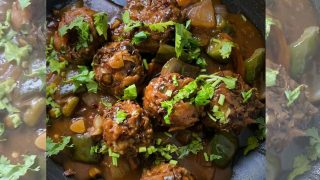
Dogs and other household animals are given their own offerings, from dry and wet food to snacks, as Taoist priests perform the traditional Zhongyuan Pudu, a ritual held during the Hungry Ghost Festival to honour wandering spirits and seek blessings.
It is an unusual sight, but one that reflects a changing relationship between people and their animals in modern Taiwan.
A ritual that has made room for pets
The temple has performed Pudu rites for livestock for decades. About ten years ago, it began extending the ceremony to household pets. Since then, interest has steadily grown.
More than 400 animals were registered for this year's ceremony, according to the temple.
For visitors, the scene offers a glimpse into a tradition that is deeply rooted in Taiwanese folk belief while adapting to a very modern idea: that pets are family too.
Alongside offerings for human ancestors, owners can place food and memorial tablets carrying their pets' names, giving them a place in the ritual and, symbolically, in the afterlife.
When a pet becomes an ancestor
For many owners, the ceremony is less about religion alone and more about remembrance.
Pet owner Tai Hui-ju, 37, lost a dog that had been with her family for nearly 20 years.
The animal, she said, had accompanied them through many important moments in their lives.
That kind of bond is increasingly visible across Taiwan, where pets are no longer simply animals kept at home but are often treated as members of the family. The rituals reflect that change.
Sending a little comfort to the afterlife
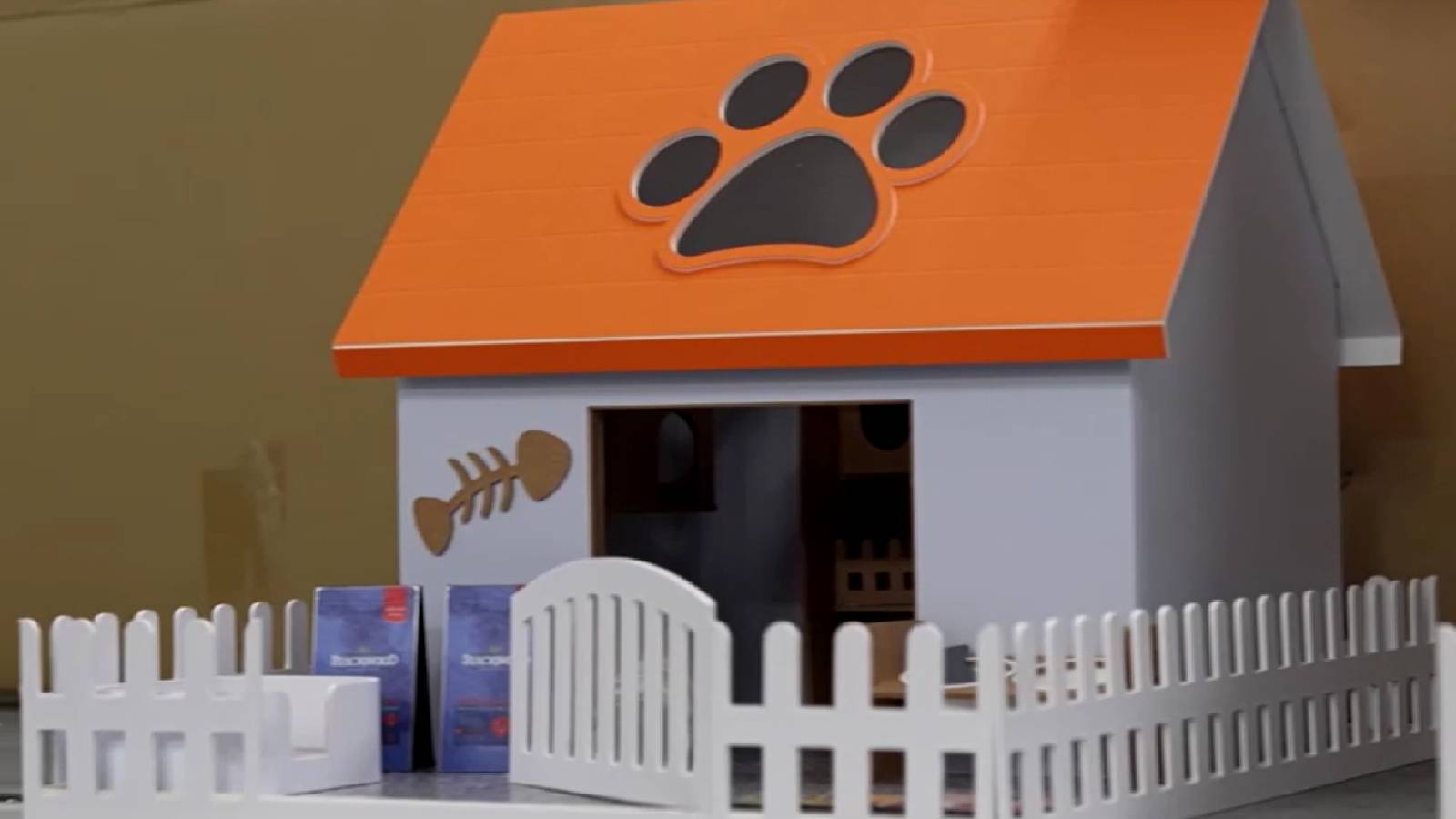
The offerings can be surprisingly familiar. Along with food and snacks, families can buy paper replicas of things their pets might have enjoyed in life — houses, beds, and even treats — and offer them as gifts for the afterlife.
The idea follows the same tradition as the paper offerings commonly burned for deceased relatives, transforming everyday objects into symbolic gifts for the world beyond.
And business around these offerings is growing.
In Tainan, paper-offering designer Jin Yu-lin says orders for pet-related items have doubled ahead of Ghost Month.
A tiny paper house for a dog may seem whimsical to an outsider. For a grieving owner, it can be a way of saying: you are still remembered.
Experiencing Ghost Month in Taipei
For travellers, Taiwan's Ghost Month offers a chance to see a living tradition that exists far beyond museums and historical displays.
During the seventh lunar month, temples become gathering points where food, incense and prayers are offered not only to ancestors but also to wandering spirits.
At Xia Hai City God Temple, the presence of pets adds another layer to the experience.
The ritual is ancient. The memorial tablets are traditional. But the names written on them tell a very contemporary story about how people understand family.
In a city known for its night markets, skyscrapers and busy streets, the temple offers a quieter reminder that travel can also mean witnessing how people remember those they have lost.
And sometimes, those memories have four legs.