


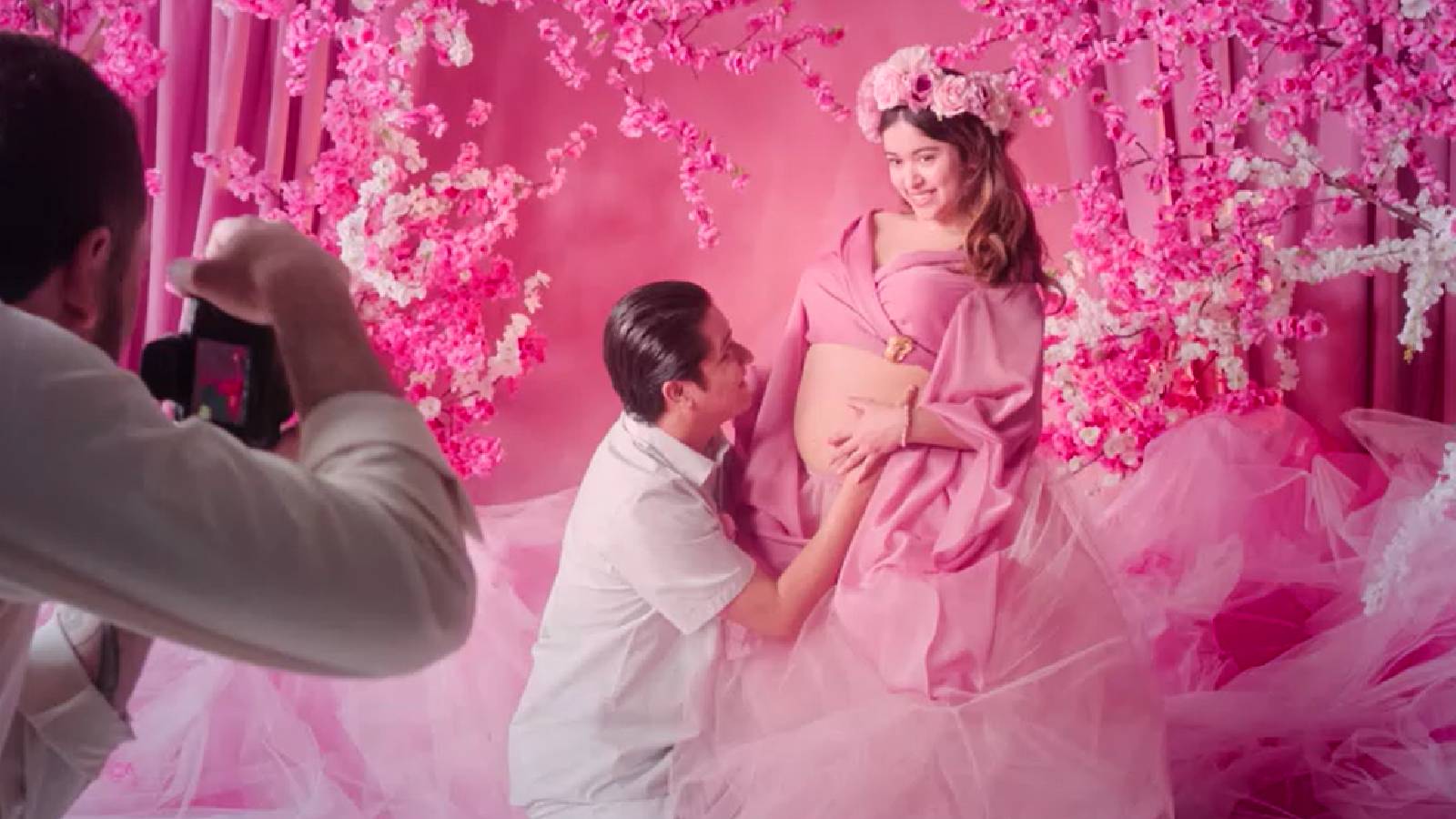


Two-time Oscar-nominee Maite Alberdi wanted to go beyond the headlines with her new true crime documentary "A Child of My Own" and examine societal expectations on women.
Four years in the making, the film follows the story of Alejandra Marin Mendoza, known as Ale, a young Mexican woman who in 2009 kidnapped a baby after faking a pregnancy. While most of the reporting on the case at the time focused on the abduction, Alberdi was interested in what was not mentioned.
"When I met Ale, it was so extraordinary, all the events she was telling me, it was like, reality is stranger than fiction," the Chilean filmmaker said.
"What really connected me with Ale was the question about why and how someone needs to fake a pregnancy for five months," said Alberdi, which led to "a big reflection about all the invisible pressures that women have in daily life."
In her early twenties, newly married and expected to procreate, the film shows Ale struggling after suffering multiple miscarriages. She hides her latest loss, gains weight, gets past medical appointments and holds a baby shower as her presumed due date approaches.
Actors portray Ale, her husband Arturo and their families in the first part of the film, continuing Alberdi's hybrid documentary-making style.
"I love to speak about mise-en-scene and representation because for me it's not like a re-enactment, or a recreation, because the film is her point of view and her subjective vision of the reality. That was the first version that I heard, so the film represents how I lived that story," said Alberdi, whose 2020 film "The Mole Agent" and 2023's "The Eternal Memory" received Oscar nominations.
The film's cinematic language then takes a turn, switching to the real-life Ale and Arturo, the mother of the kidnapped baby and the cold facts of the case.
"She crashed with reality and I crashed with reality, too, when I heard the other voices, and then the documentary starts to be more classical or traditional with interviews and archive," said Alberdi, who hopes "A Child of My Own" creates a conversation when it starts streaming on Netflix on Thursday (August 13).
"I think it's important to tell this story today because we women continue to face invisible pressures, pressures we sometimes don't even realize are there or that we keep quiet about, regarding motherhood and the desire for motherhood. I think we normalise many of those pressures in our daily lives," said Alberdi.