


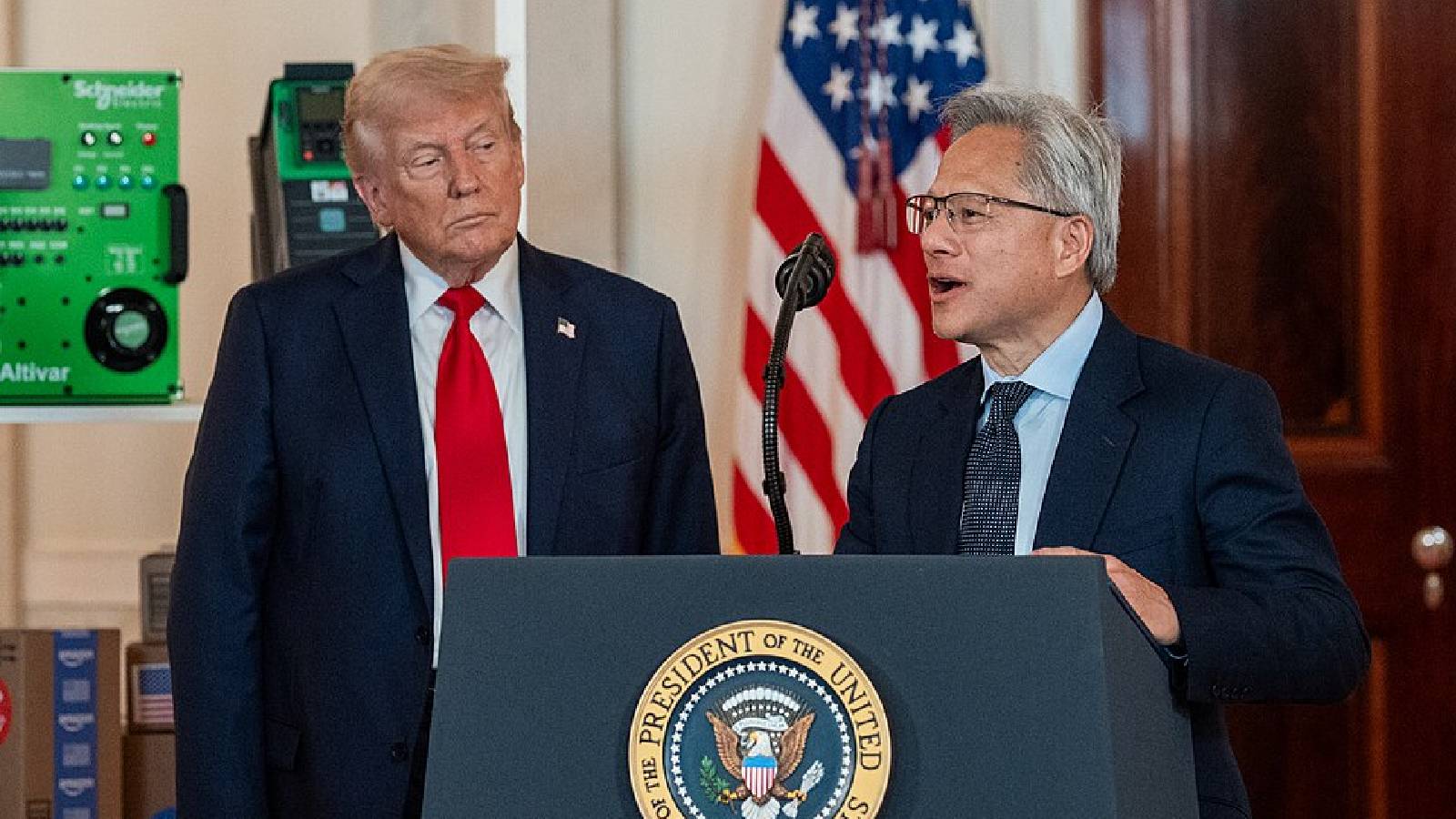


Donald Trump says he personally convinced Nvidia's board to bring Jensen Huang back. The US President has claimed credit for the dramatic reinstatement of the AI giant's founder, revealing that he spoke directly and indirectly with board members and helped secure assurances that Huang's return would pose no national security threat.
"I made the deal," Trump declared on Monday, November 23, hours after Nvidia announced Huang's reinstatement as president and chief executive officer.
Trump also disclosed that he had spoken to Huang the previous night and maintained that the technology executive had done nothing wrong. His intervention offered the clearest indication yet of how a board that had resisted Huang's return reversed its position within days.
Huang, meanwhile, responded with gratitude and a renewed commitment to leading the company he co-founded.
"I am honored to return to NVIDIA and lead one of the most consequential technology companies in the world at the beginning of a new industrial revolution," Huang said in his first statement following the announcement.
He thanked Nvidia's board for its confidence, acknowledged interim CEO Colette Kress and the executive leadership team, and expressed appreciation to employees, shareholders, industry leaders and partners for their support.
"I take this responsibility with the greatest humility and renewed commitment," he said, before concluding with a simple message: "I can't wait to get back to work."
But Huang's comeback was hardly an overnight development. From the moment he stepped down on November 12, powerful voices across Washington and Silicon Valley had begun building the case for his reinstatement.
From Musk to Trump, the momentum was building
The campaign for Huang's return began almost immediately after his resignation amid revelations about his personal relationships, including allegations involving a woman suspected of links to Chinese intelligence.
Elon Musk publicly backed a petition seeking Huang's reinstatement. Support spread among Nvidia employees, shareholders and prominent figures in the technology industry.
Also Read:
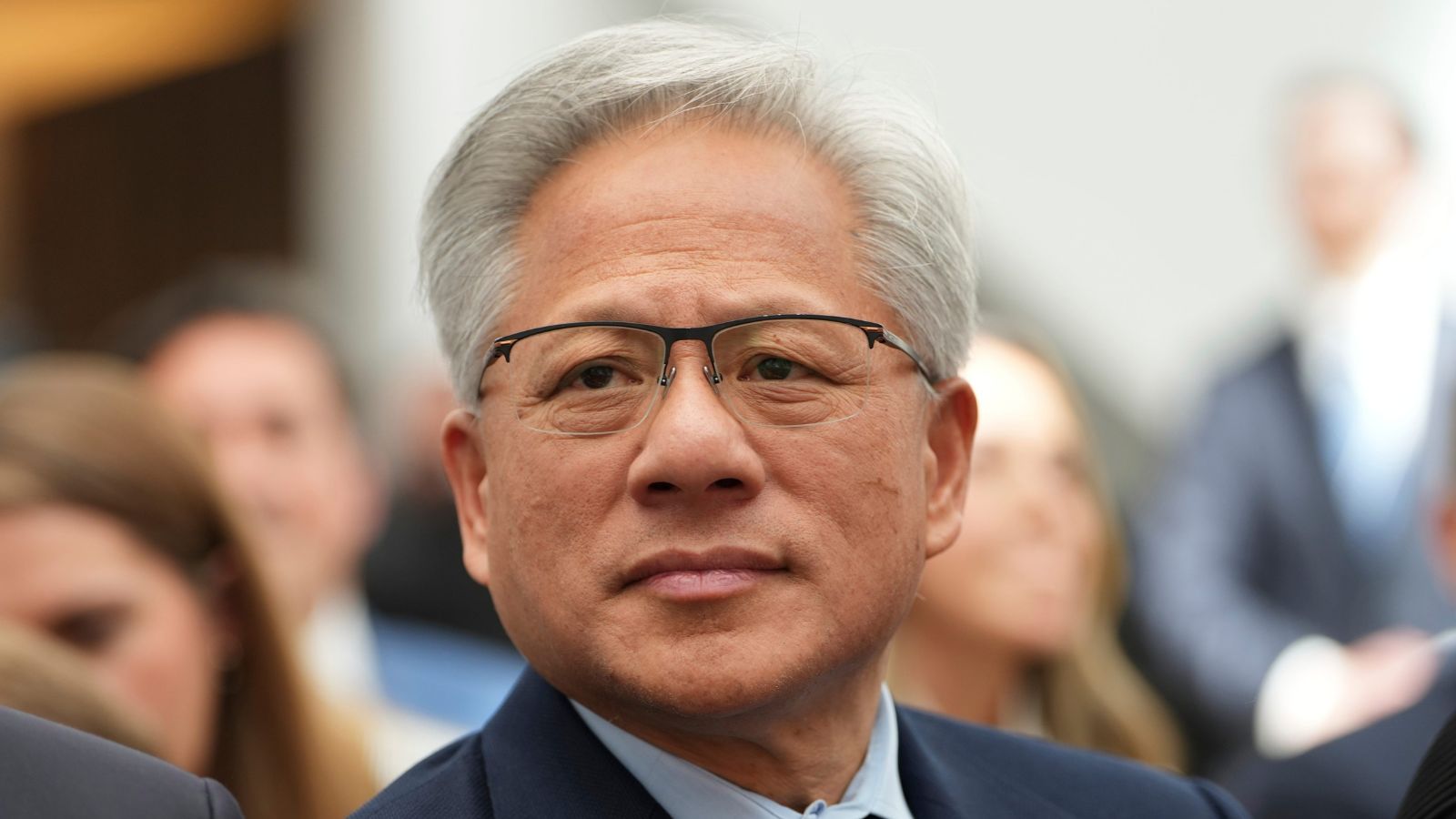
Leading executives, including Sam Altman and Jeff Bezos, acknowledged Huang's extraordinary contribution to Artificial Intelligence, although not all explicitly called for his return.
Their responses reflected a broader reality: Nvidia had become so central to the AI industry that uncertainty over its founder's future was unsettling far more than one company.
Trump's support subsequently gave the campaign a powerful political dimension. On November 22, he publicly urged Nvidia to bring Huang back, arguing that his leadership was important to the company and the American economy.
What began as a corporate leadership controversy had become a question of national technological interest.
The Board that said no changed its mind
The most striking aspect of Huang's comeback was Nvidia's rapid reversal.
Following his resignation, the company appointed Chief Financial Officer (CFO) Colette Kress as interim CEO and began planning a leadership transition.
Even after Huang expressed willingness to return, board chairman Harvey Jones indicated that reinstatement was not being considered.
Yet on November 22, the board unanimously approved his comeback, announcing the decision the following day.
Nvidia confirmed that senior levels of the US government had provided input during the board's deliberations. The directors concluded that Huang's reinstatement posed no national security risk.
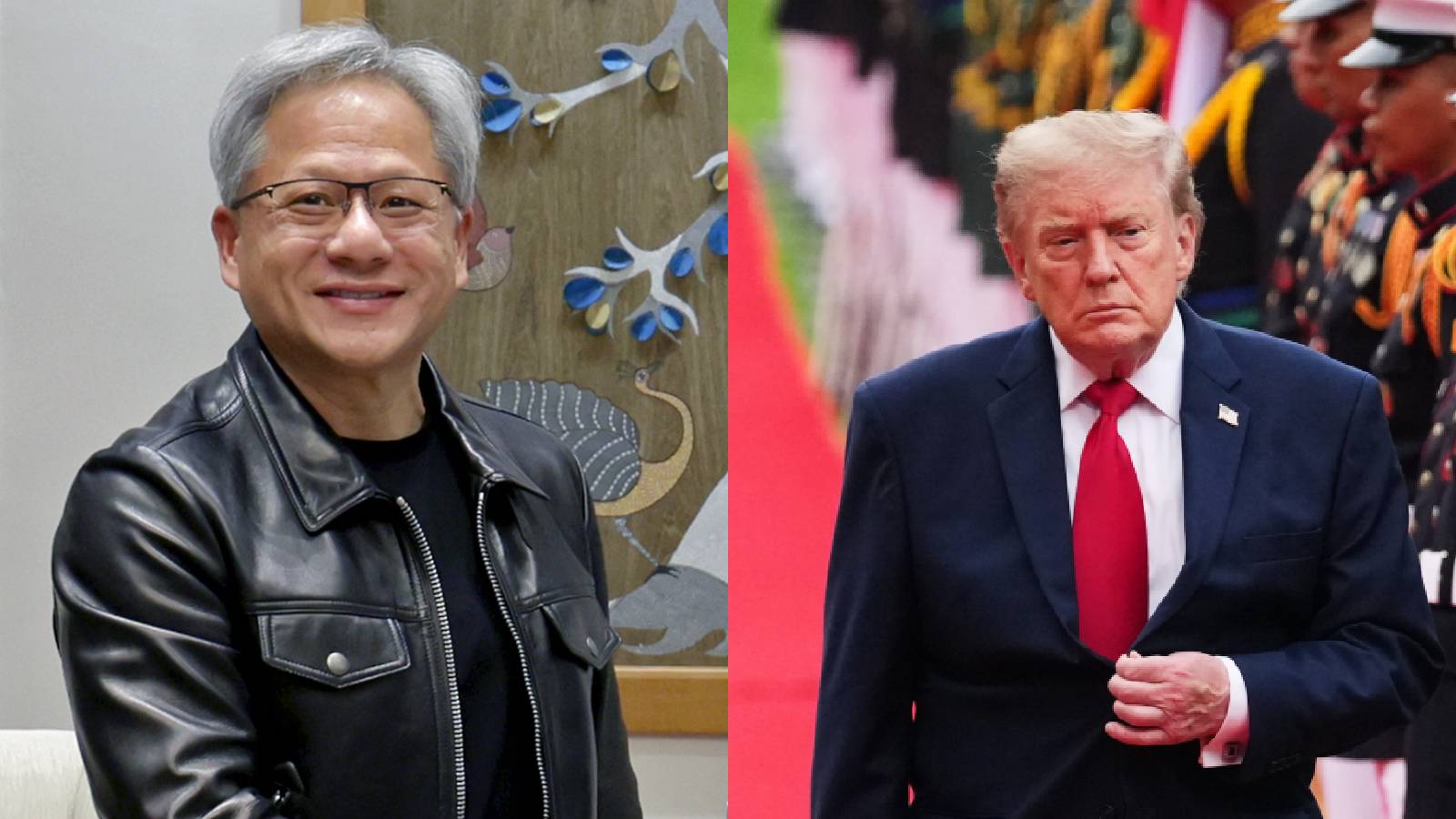
Trump's subsequent claim that he personally persuaded the board placed the White House at the centre of one of the most extraordinary corporate reversals in recent technology history.
The President's account, however, does not establish that his intervention alone determined the outcome. The board also held discussions with Huang and assessed his suitability to resume leadership.
Why Washington wanted Huang back
The political significance of the decision extends far beyond Nvidia's boardroom.
The company's advanced processors power much of the infrastructure behind the global AI boom. Its technology is central to American efforts to maintain an advantage over China in artificial intelligence and advanced computing.
For Washington, Huang's leadership therefore carries strategic importance.
Trump's intervention demonstrated how closely the interests of the US government and its most influential technology companies have become intertwined.
The market reaction was equally revealing. Nvidia shares surged around 33% in early trading following the reinstatement, underscoring investor confidence in Huang and the extent to which the company's future remains associated with its founder.
But his return has not ended the controversy. Nvidia's independent investigation into the circumstances surrounding his resignation will continue, and questions over corporate governance and national security remain unresolved.
Trump has asserted that Huang was cleared of wrongdoing, but that claim should not be confused with the completion of Nvidia's own investigation.
A comeback that was becoming inevitable
Huang's reinstatement reveals the extraordinary concentration of influence surrounding the AI industry.
For Silicon Valley, he represents technological continuity. For investors, he offers confidence in Nvidia's future. For Washington, he leads a company central to America's strategic ambitions.
Musk's early support, the wider backing from technology leaders and Trump's increasingly direct intervention created an environment in which Huang's return became progressively harder to resist.
The final decision belonged to Nvidia's board. But the political and commercial forces surrounding that decision were impossible to ignore.
Jensen Huang's return may have been only a matter of time. Trump's declaration that he made the deal reveals just how far the White House was prepared to go to bring back the man at the centre of America's AI ambitions.