


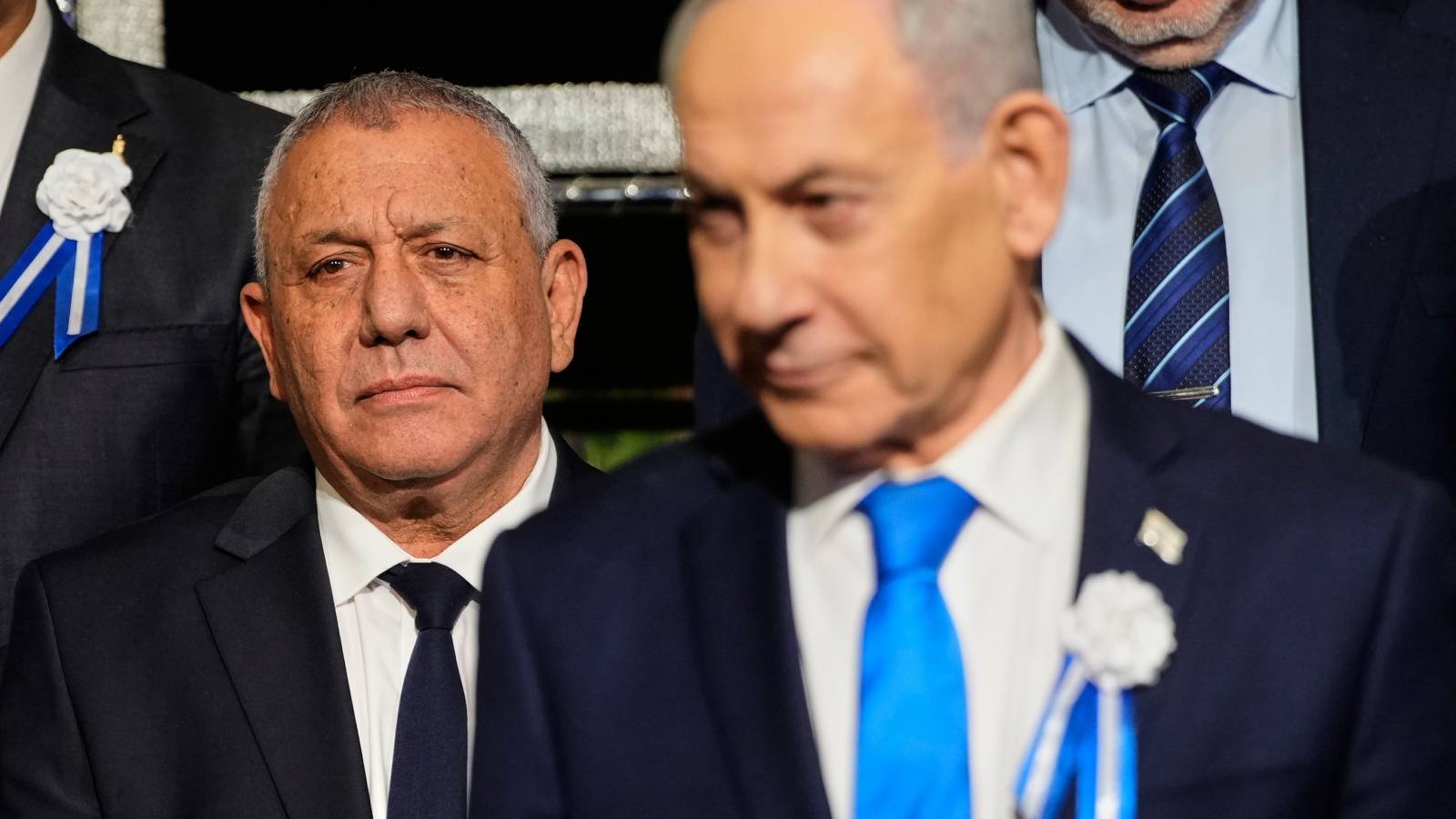


Israel: No breakthrough has been achieved in the coalition talks held on Sunday between Gadi Eisenkot's Yashar party and caretaker Prime Minister Benjamin Netanyahu's Likud party, according to multiple reports.
In a brief statement, the parties said they discussed core issues and would meet again, without specifying when, The Times of Israel reported.
The parties remained split on who would form the next government, Al Jazeera reported.
Eisenkot, who holds the mandate to form the new government, had directed his party's negotiating team to invite representatives of Likud for intensive coalition talks, in a fresh attempt to form a broad-based government in Israel.
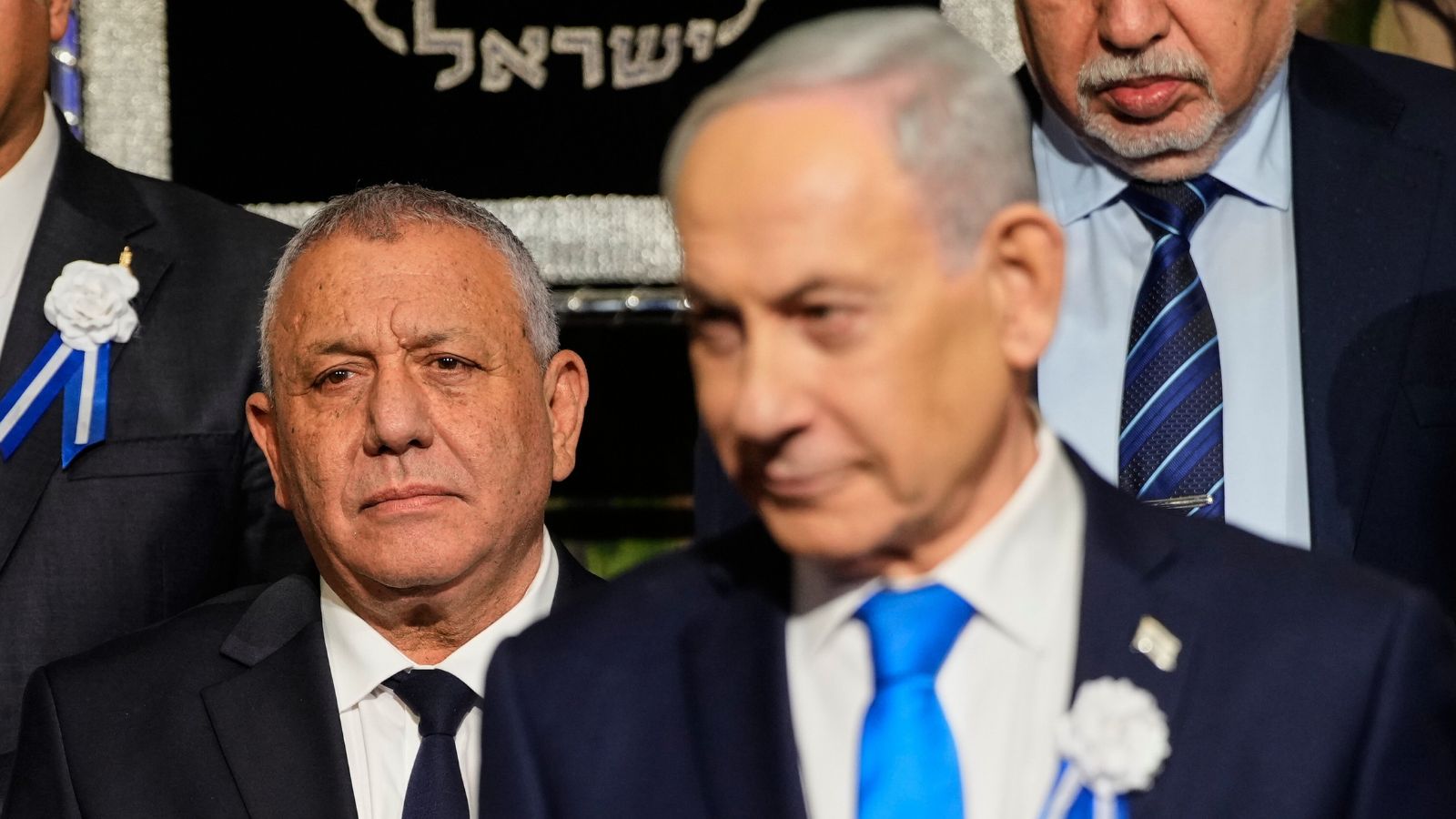
The two parties had previously held an initial round of discussions on November 15 but failed to make progress. They subsequently exchanged accusations over their willingness to form a unity government.
President Isaac Herzog formally tasked Eisenkot with forming Israel's next government on November 8, granting him an initial 28-day window, with a possible 14-day extension, to assemble a ruling coalition of at least 61 lawmakers in the 120-seat Knesset.
Coalition deadlock in Israel
The parliamentary arithmetic underscores the deadlock in coalition talks. In the October 27 election for the Knesset, neither bloc secured the 61 seats required to govern.
Netanyahu's right-wing and ultra-Orthodox alliance won 53 seats: Likud 27, Otzma Yehudit 7, United Torah Judaism 7, Shas 6 and Religious Zionism-Zehut 6. Eisenkot's four-party Zionist bloc won 48 seats: Yashar 21, B'Yachad 12, Democrats 8 and Yisrael Beytenu 7.
The two Arab-majority parties, the Joint List, with 11 seats, and Ra'am, with eight, backed Matan Kahana's election as Knesset speaker in a 66-52 vote. However, key figures in Eisenkot's bloc have ruled out formal coalition ties with them, forcing party leaders to explore alternative routes to a parliamentary majority.
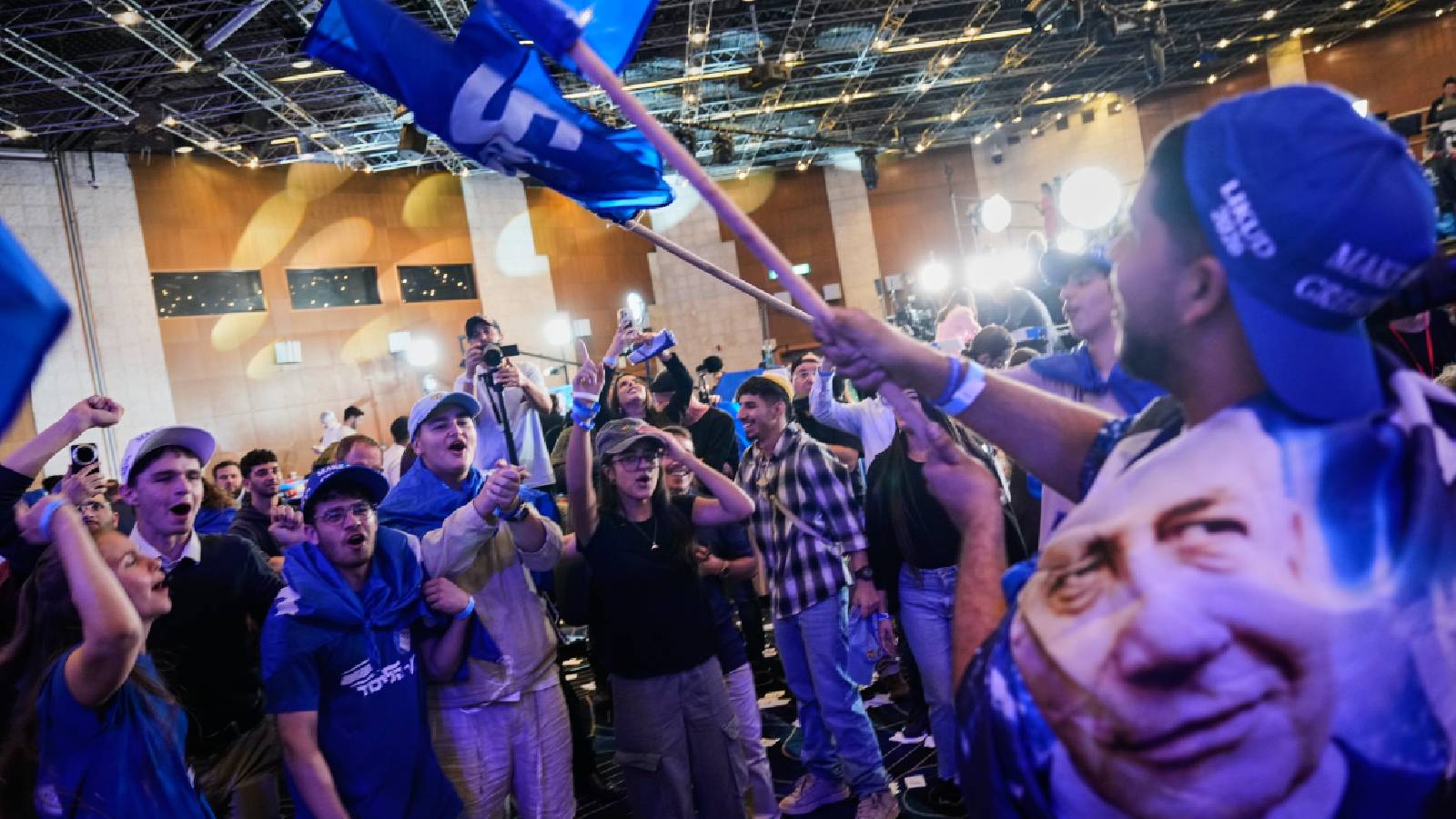
Disagreements over potential coalition partners
Democrats chairman Yair Golan has said he would not oppose the formation of a coalition government involving ultra-Orthodox parties, amid ongoing efforts by Eisenkot to assemble a government and differences within his bloc over potential coalition partners.
Golan has ruled out joining what he described as a "fake unity government" that would allow Netanyahu to remain in power, The Times of Israel reported.
Eisenkot, meanwhile, has also ruled out a rotation arrangement with Benjamin Netanyahu, insisting that he would serve as the sole prime minister in any unity government involving Likud, The Times of Israel reported.
(With inputs from The Times of Israel, Al Jazeera, ANI)