


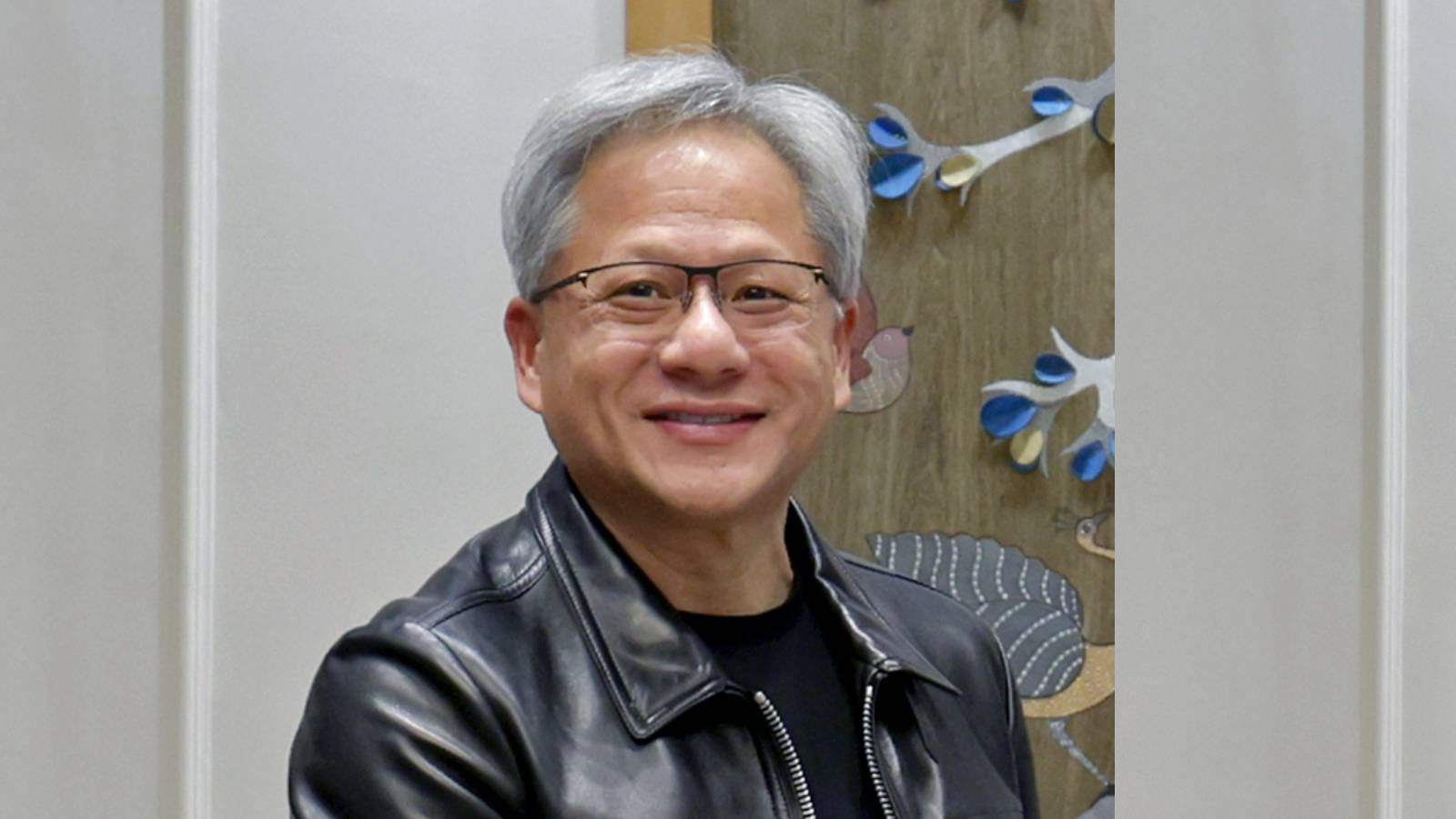


New York: Nvidia has reinstated co-founder Jensen Huang as its president and chief executive officer, reversing an earlier decision not to bring him back after his resignation triggered controversy over his personal relationships and possible national security implications.
The company's board voted unanimously on Monday to restore Huang to the position with immediate effect. He has also returned as a member of Nvidia's board of directors.
In its announcement, Nvidia said the decision followed discussions with Huang and input from senior US government officials. The board said it was satisfied with his candour and ability to lead the company, and believed his return did not pose a national security risk.
Board chairman Harvey C Jones said the directors considered Huang the right person to lead Nvidia and believed his reinstatement was in the interests of its shareholders, employees, partners and customers.
Huang said he was “honoured” to return and would take up the responsibility with “the greatest humility and renewed commitment”.
He thanked the board, chairman Jones, interim CEO Colette Kress and Nvidia's executive team for managing the company during his absence. Kress will return to her position as chief financial officer, while Jones will remain chairman.
Also Read:
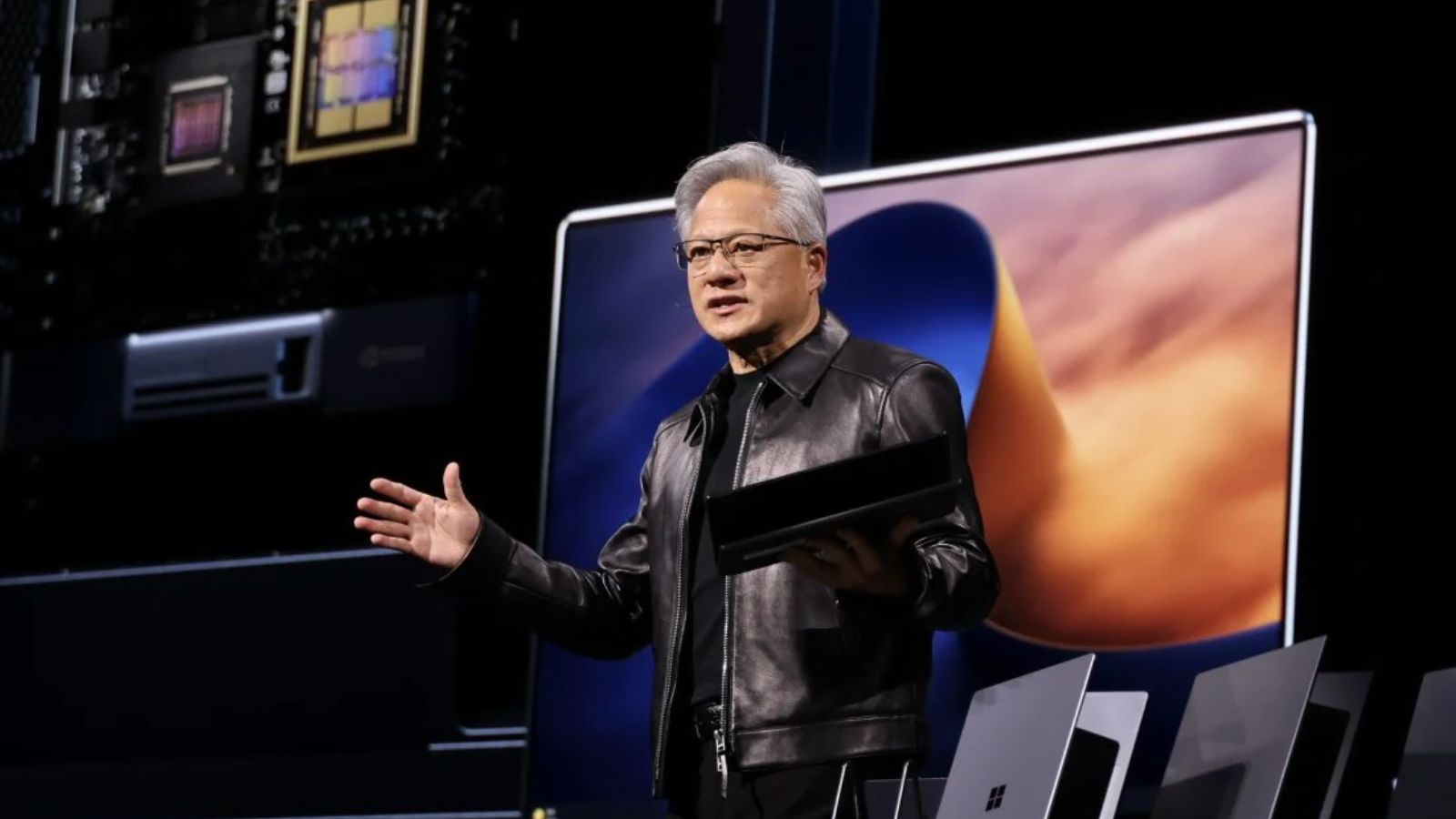
Trump welcomes Nvidia board's decision
US President Donald Trump backed the reinstatement, saying the federal government had “no reason to believe” Huang's return posed a national security risk.
Trump described the board's decision as the “correct and proper decision” and said the United States needed Huang's leadership to support Nvidia and the wider American economy.
He also urged the company to continue its internal investigation. Trump said Attorney General Todd Blanche had told him that the government did not have evidence that Huang had engaged in unlawful conduct.
The president had previously supported calls for Huang's return, even after Nvidia's board said on November 17 that it did not intend to reinstate him.
An online petition calling for Huang to be brought back attracted support from current and former employees, investors and prominent technology figures, including Elon Musk.
What led to Huang's resignation?
Huang resigned on November 12 after acknowledging that he had been unfaithful to his wife and made serious mistakes in his personal life.
The controversy followed reports of his relationship with a Chinese businesswoman suspected by US intelligence agencies of having links to Beijing. The allegations raised concerns about whether Huang had been targeted as part of a foreign intelligence operation.
However, the alleged espionage connection has not been established as a proven fact. Nvidia's board had announced an independent investigation into reports that Huang was the target of a foreign intelligence effort.
The episode also drew attention in Washington, with lawmakers calling for scrutiny of Nvidia's compliance with US export-control regulations. The company has faced questions over the potential transfer of advanced artificial intelligence chips to China.
Nvidia's investigation will continue
Huang's reinstatement does not bring the inquiry to an end.
Nvidia said the committee comprising independent directors would continue its investigation with the assistance of independent legal counsel. Huang has agreed to cooperate with the process.
The company has also established a separate National Security and Export Control Committee to oversee trade compliance and related risks. It is beginning the search for a chief compliance officer, who will supervise compliance across the company.
Nvidia said it would continue cooperating with ongoing government investigations and inquiries.
The reversal marks a rapid change in the company's leadership position. The board had initially accepted Huang's resignation and appointed Kress as interim CEO before deciding, less than two weeks later, to restore its co-founder to the top job.
(With inputs from AP, ANI)