




It’s the end of a long day. You're on the sofa, TV on, feet up. What you don’t see is that your TV may be taking notes. As the world observes World Television Day on November 21, it’s a good moment to ask what our most sophisticated screens are learning about us and whether we actually consented to teach them.
Today’s TV is far from the box in the corner of the living room. It's all streaming, all recommendations, all voice control. But tucked away in many of these screens is a feature that most people have never even heard of, one that can actually keep a record of what you're watching.
It’s called Automatic Content Recognition, or ACR.
A TV that recognises everything
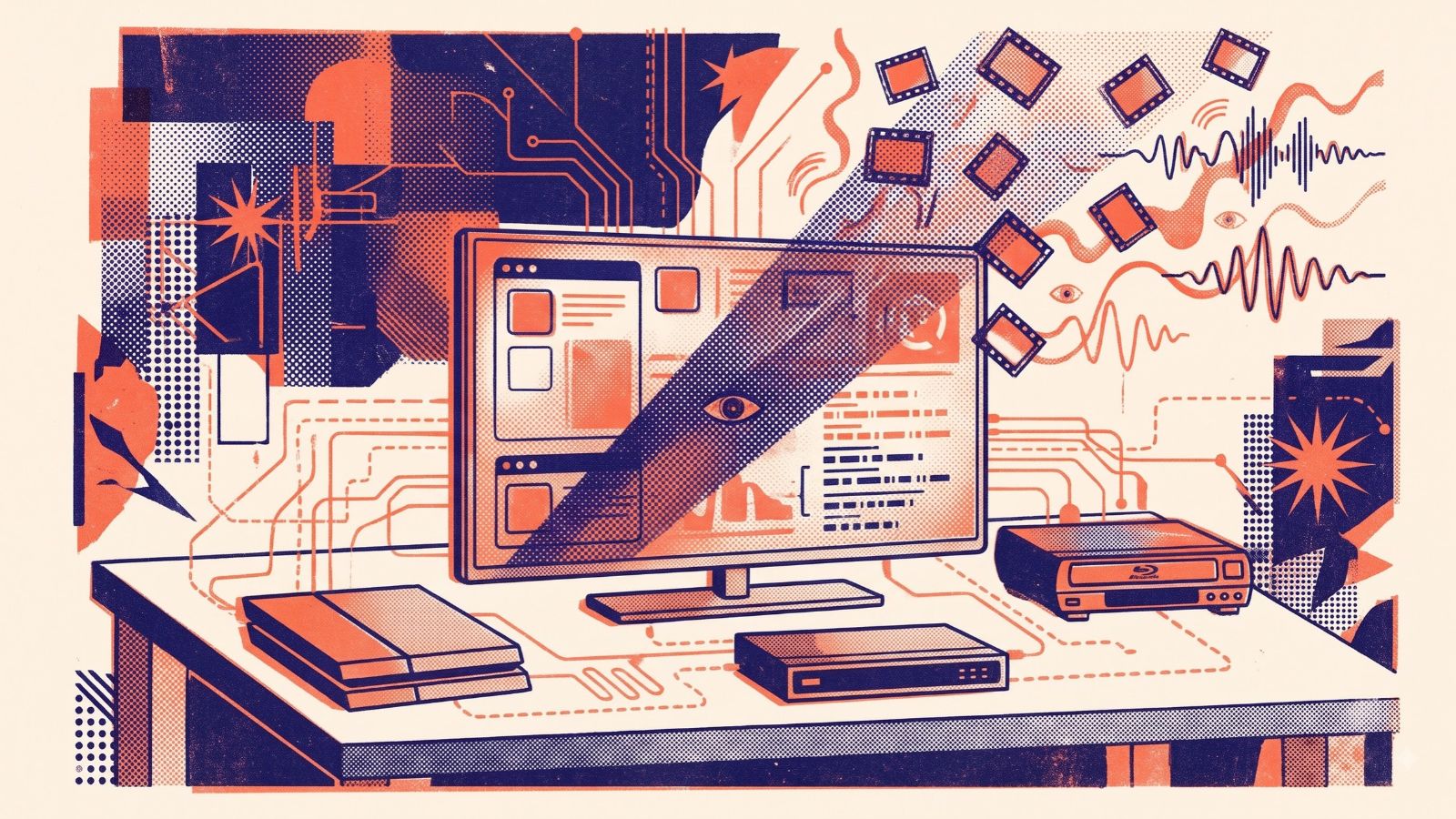
In simple terms, ACR is the technology that lets the TV figure out what’s on its screen. It takes small samples of what’s on screen (visual frames, audio samples, or both) and matches them against massive databases to work out what the programme is.
What really stands out is its reach.
ACR isn’t just limited to streaming apps. On the various devices it works on, it can also detect content from a cable or satellite box, a gaming console, a Blu-ray player, or indeed any other device that's plugged in. Whatever the source of the picture, the TV will be able to identify it.
Also Read:

Your viewing habits are worth money

The short answer: it’s valuable. What people watch says a lot about what they like, and companies use that to fine-tune recommendations, spot audience trends, and serve more targeted ads.
Over time, those small pieces add up to a detailed profile. It’s not only about what you watch, but how you watch it.
What the research found
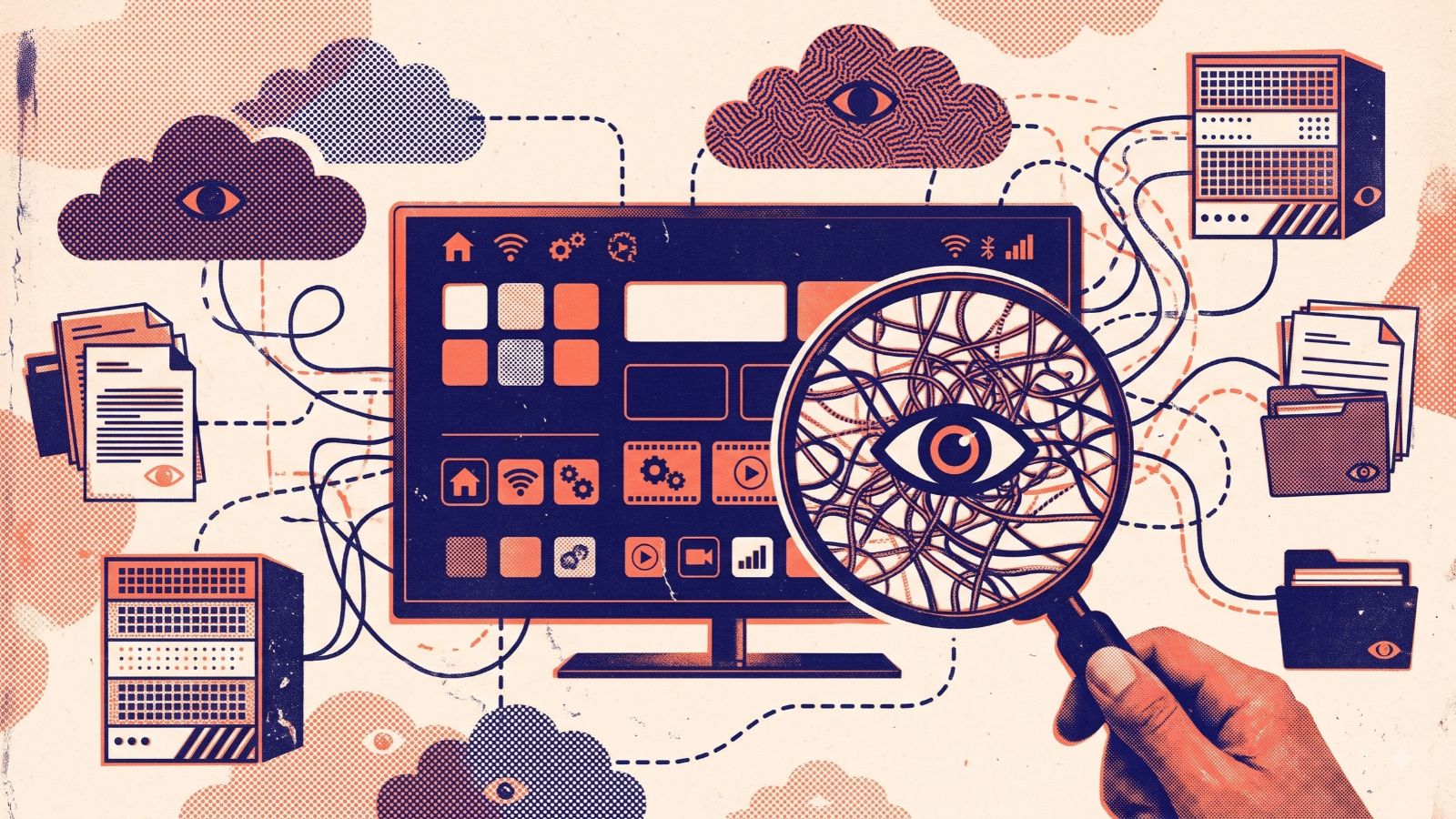
Privacy researchers have been looking at this. One of the most frequently cited studies is ‘Watching You Watch: The Tracking Ecosystem of Over-the-Top TV Streaming Devices’. It examined how smart TVs and streaming devices communicate with external servers. The finding was that many of them were sending user data to third parties through advertising and analytics platforms.
Others have looked at ACR and pointed out that it can identify and log viewing activity continuously over very long periods.
Companies will always say the data is anonymised or aggregated. The privacy experts' rebuttal is that you can still learn a tremendous amount about a person’s habits and interests from their browsing patterns, even if you don't have their name.
Also Read:

Did you really say yes?
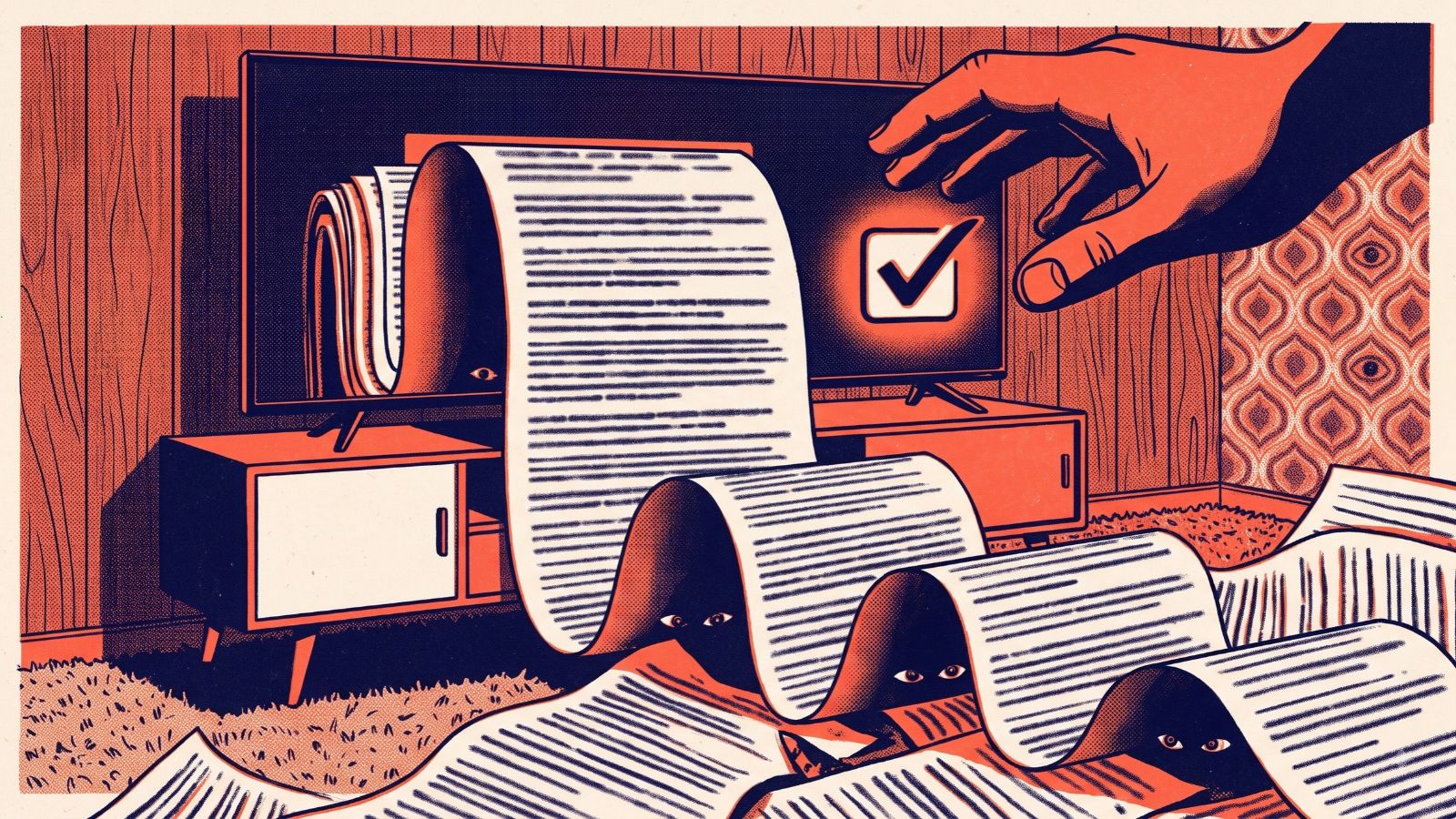
The bigger issue perhaps isn't the technology per se but how much people actually understand it. If you ask around, the majority of TV owners will tell you they had no idea what ACR was or whether it existed.
That’s in part due to how it’s introduced. It'll often appear during the initial setup, or be tucked away in a privacy policy, or be part of a long-winded set of terms and conditions that very few of us actually read all the way through. It's entirely feasible, therefore, to agree to data collection without actually having any real understanding of what you’ve agreed to. Transparency and informed consent are the issues that privacy advocates have with the connected TV industry.
The trade-off nobody explained
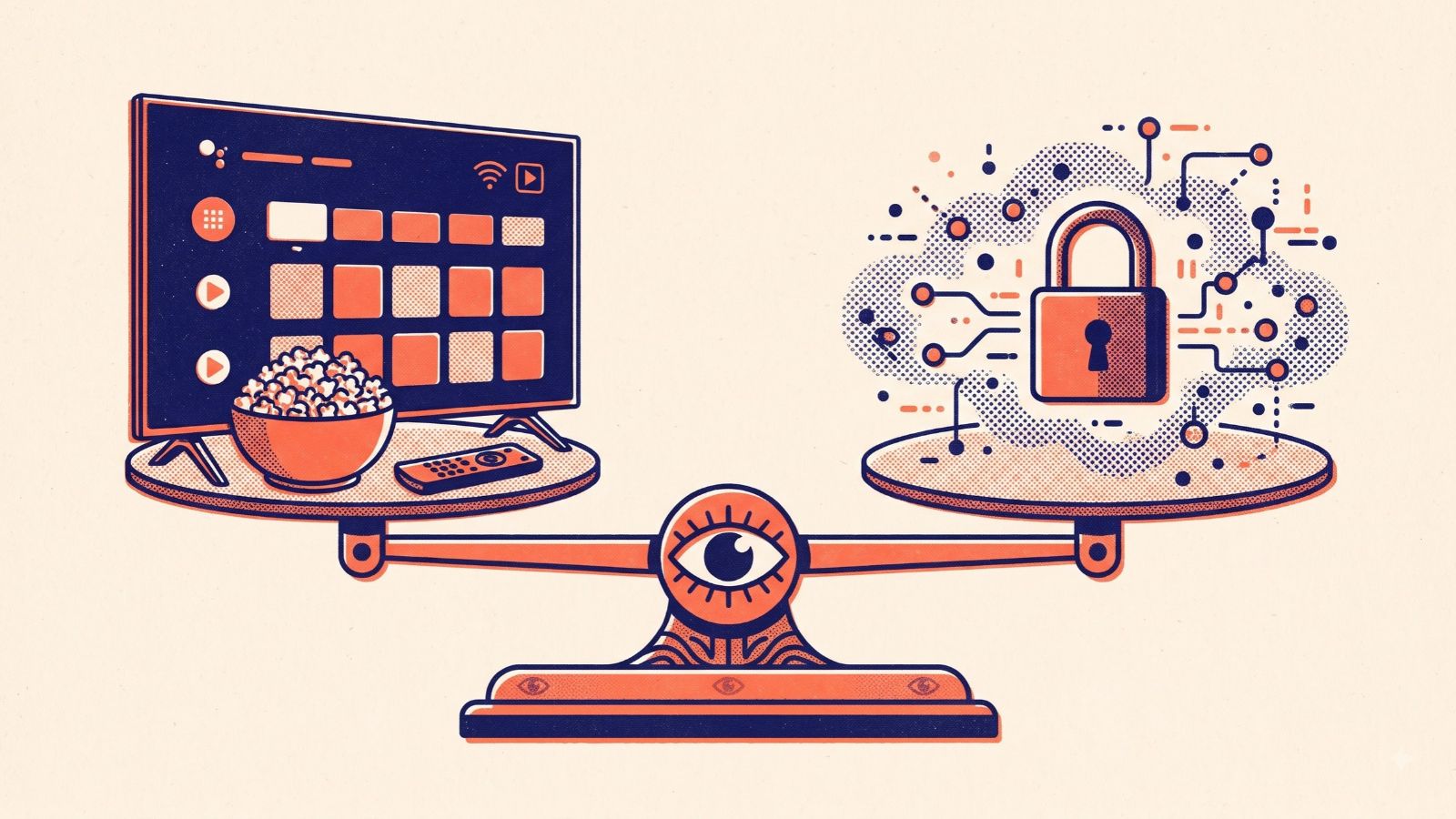
To be fair, ACR isn’t sinister by design. Manufacturers and tech companies say it makes recommendations more relevant and helps keep content free or cheaper by supporting it with advertising.
The argument is really about visibility and control.
Should people be told more clearly what’s being collected? Should these features be switched on by default? And how much say should viewers have over the data their own habits create? These questions are shaping privacy and digital rights debates around the world.

Take back control, one setting at a time
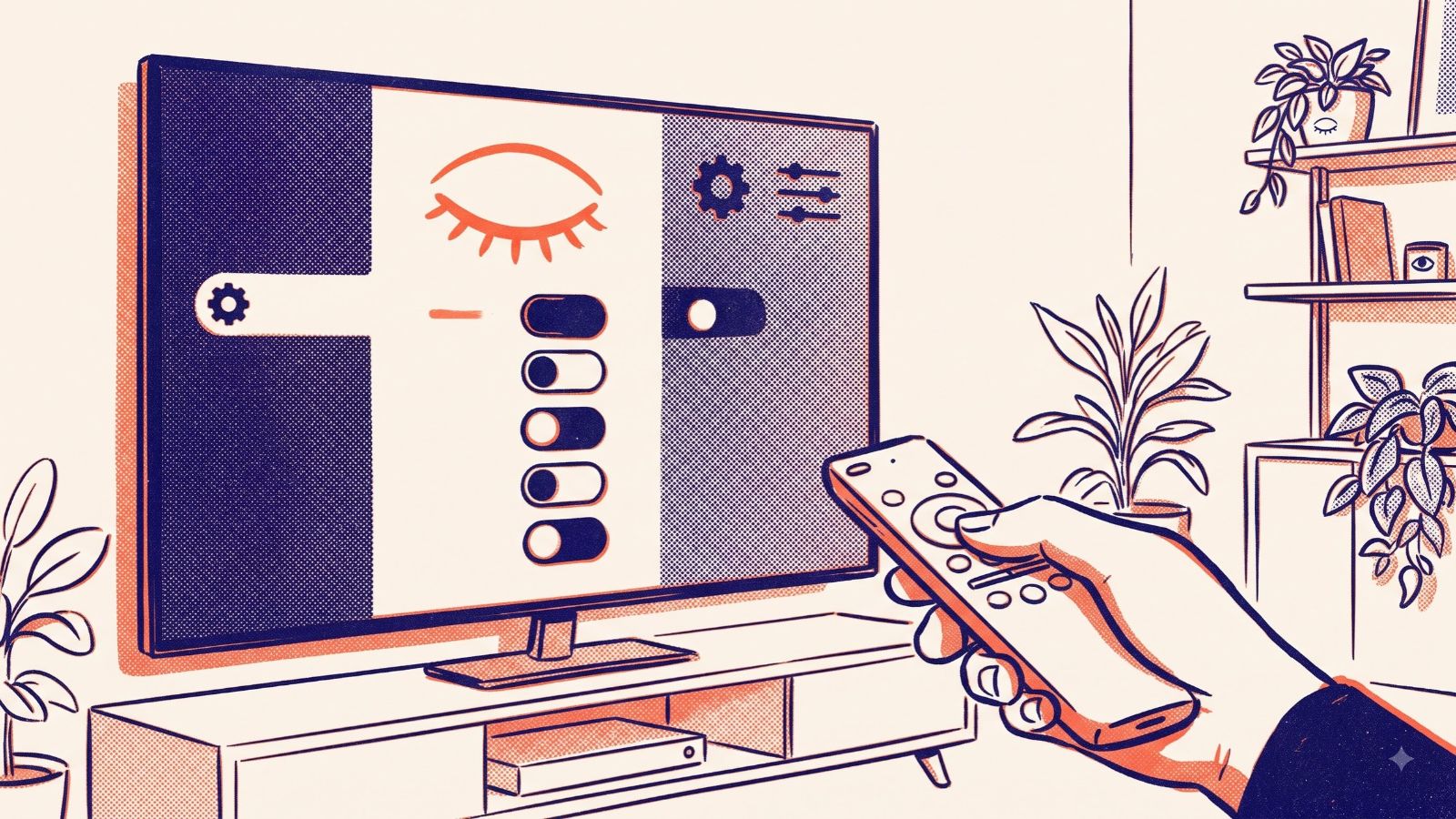
If this makes you uneasy, start with your TV’s settings.
Many manufacturers let you turn off ACR or limit personalised ads, though the menus and wording differ from brand to brand. Take a few minutes to review your privacy options, read the data-sharing policy, and check which features are actually switched on.
Smart TVs offer remarkable convenience. But as they become more connected, they’re also turning into devices that generate data. On World Television Day, that’s worth keeping in mind: knowing the trade-off is now almost as important as choosing what to watch next.