



Tehran: Iran has accused the United States of striking two fishing boats off Qeshm Island in the Strait of Hormuz, injuring two Iranian fishermen, as Supreme Leader Mojtaba Khamenei ordered the country's armed forces to respond to threats with immediate and unrestricted action.
According to Iranian news agency IRNA, the two fishermen who went missing following the reported drone attack have been found and returned to Qeshm Island, the CEO of the Qeshm Fishing Community said. One of the two injured fishermen was taken to a hospital, Al Jazeera reported, citing Fars news agency.
The deputy governor of Hormozgan Province for political, security, and social affairs told Tasnim news agency that the incident occurred at around 11.30 am near the village of Musan in Qeshm County, within 18 miles of the village. Each of the two boats had two people on board, he said, according to Al Jazeera.
The reported attack comes amid continuing tensions and military activity around the Strait of Hormuz, a key international shipping route.
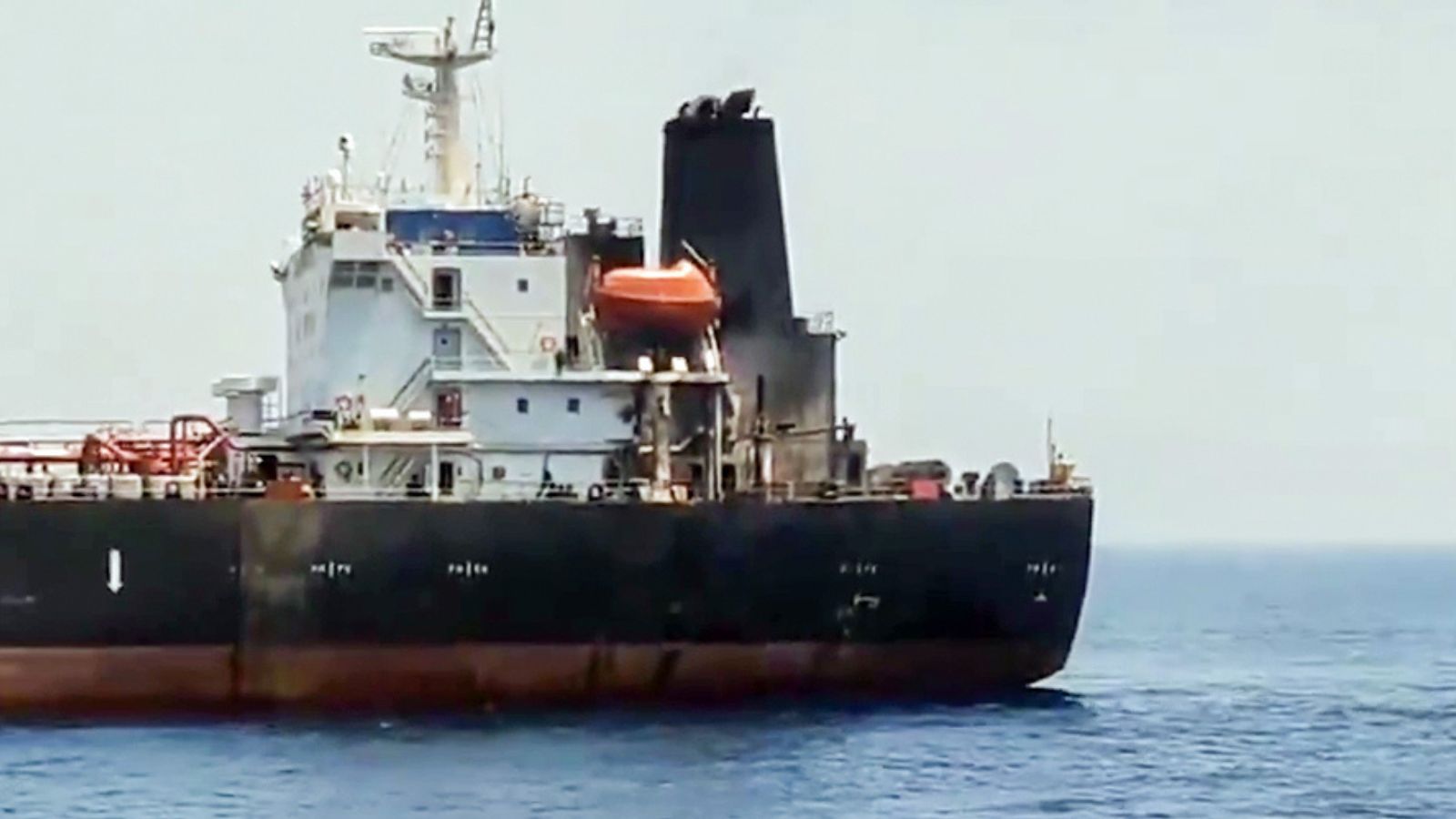
Earlier, Iranian naval forces claimed to have destroyed an "enemy submarine" and damaged two commercial oil tankers in the operational zone east of the Strait of Hormuz on Friday morning.
State broadcaster Islamic Republic of Iran Broadcasting (IRIB), citing the Iranian Navy's Public Relations department, reported that the navy had targeted and destroyed an adversary submarine operating near the strategic waterway.
"This morning, an enemy submarine that was operating in the operational area east of the Strait of Hormuz was hit and destroyed by Iranian Navy sailors," the Navy statement said.
However, US Central Command (CENTCOM) Commander Admiral Brad Cooper said on Friday (local time) that the primary internationally recognised transit routes through the Strait of Hormuz had been cleared of Iranian sea mines and that commercial vessels were sailing freely through the waterway.
"Earlier this week, I visited some of the more than 50,000 service members supporting operations across the Middle East, including our mission in the Strait of Hormuz. When I flew over the strait, I saw dozens of commercial vessels transiting—all types: cargo, crude oil, liquid natural gas, or LNG. And I also saw our U.S. assets in the air and on the water, including a squadron of advanced sea drones that were on patrol, supporting a defensive layer," Cooper said.
Also Read:
Mojtaba Khamenei orders unrestricted response
Amid the possibility of fresh military action, Iranian Supreme Leader Mojtaba Khamenei has instructed senior commanders to confront threats with an "immediate, effective, and unrestricted geographical response".
According to a series of posts on Khamenei's X account, he met senior commanders of the armed forces against the backdrop of the possibility of further escalation between the United States and Iran.
"Every level and type of threat must be confronted with an immediate, effective, and unrestricted geographical response," the statement said.
In another strongly worded message, Khamenei said the armed forces and the Iranian people would determine the timing and conditions for ending any renewed military or terrorist attacks.
"If the enemies resume military or terrorist attacks, it is the armed forces of the Islamic Republic and the people of Iran who will determine the time and conditions for ending them," he said.
He also called for "intelligent combat readiness to confront the enemies with force" as a requirement for "maximum deterrence" and directed the armed forces to strengthen the country's defence technology.
Trump says US is in no hurry to end war
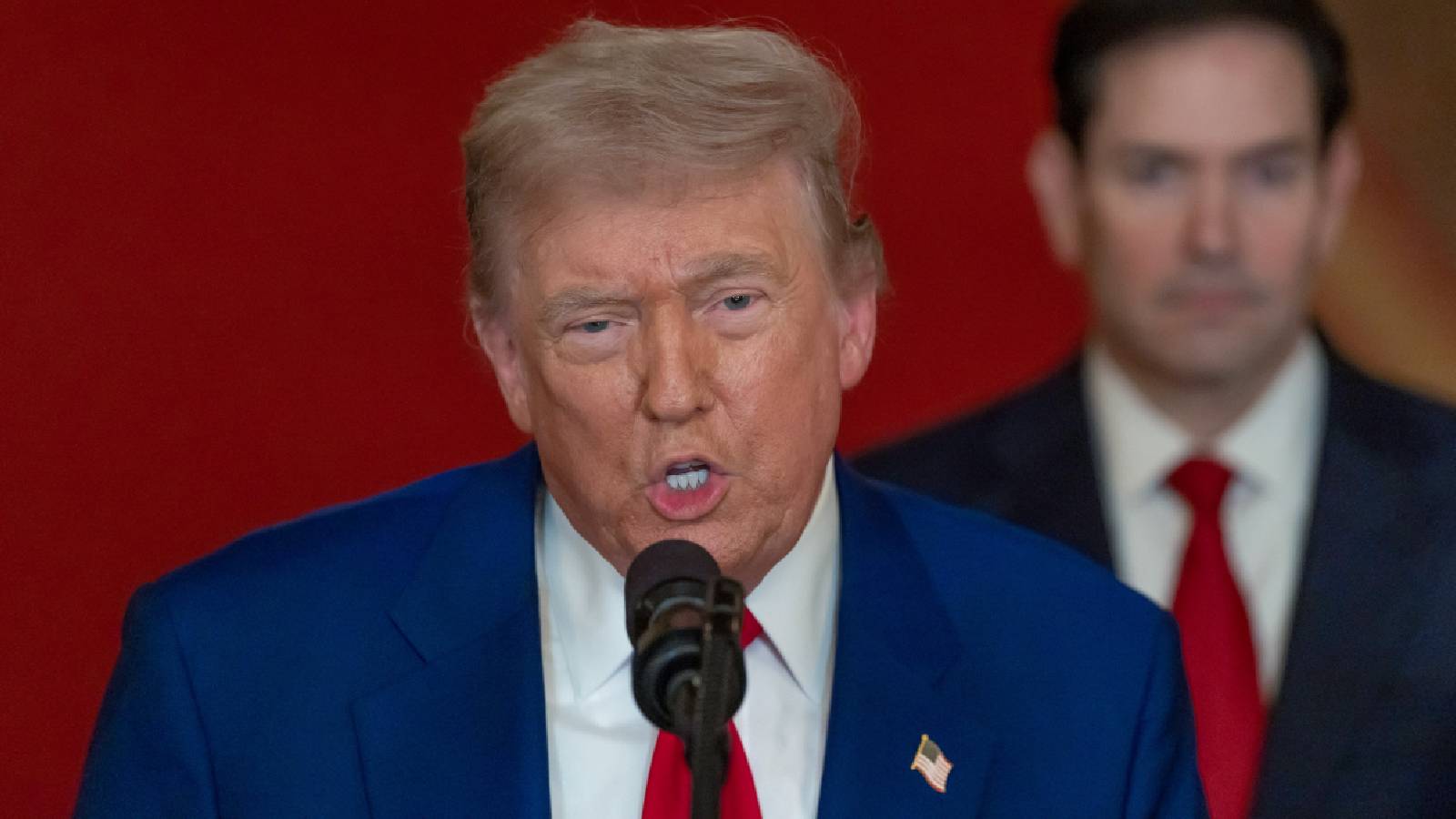
Earlier, US President Donald Trump said Washington was in no hurry to end its war with Iran, describing the hostilities as "not a typical war" and maintaining that time favoured the United States despite months of fighting and repeated diplomatic efforts.
"There are talks. They want to talk. They keep talking," Trump told reporters in the Oval Office.
"But look, they're not paying their soldiers, they're not paying their police. They're in a lot of trouble. And we have time, frankly. It's a war, but it's not a typical war; we've been there for seven months," the US president added.
Draft framework for US-Iran negotiations
Meanwhile, a preliminary draft framework for negotiations between Washington and Tehran reportedly proposes transferring Iran's highly enriched uranium stockpile to an agreed third country or reducing its enrichment level.
The framework also proposes reopening the Strait of Hormuz to international maritime traffic within seven days of an initial understanding, Al Arabiya English reported, citing key points of the draft it had obtained.
China could potentially act as a guarantor for the implementation and sustainability of any agreement, according to the report.
The proposal also envisages holding direct US-Iran negotiations in Doha instead of Istanbul.
An American delegation is expected to join Iranian officials for direct talks in Doha following a reported breakthrough in indirect negotiations, The Times of Israel reported, citing the Qatari newspaper Al-Araby Al-Jadeed.