



Washington: US officials have told several West Asian countries and regional allies to be prepared for potential renewed military action against Iran after next week's midterm elections, along with the risk of Iranian retaliation, according to two diplomats briefed on the matter by AP.
Both of the diplomats spoke on the condition of anonymity because they were not authorised to comment about the sensitive warnings conveyed by US diplomats and defence officials.
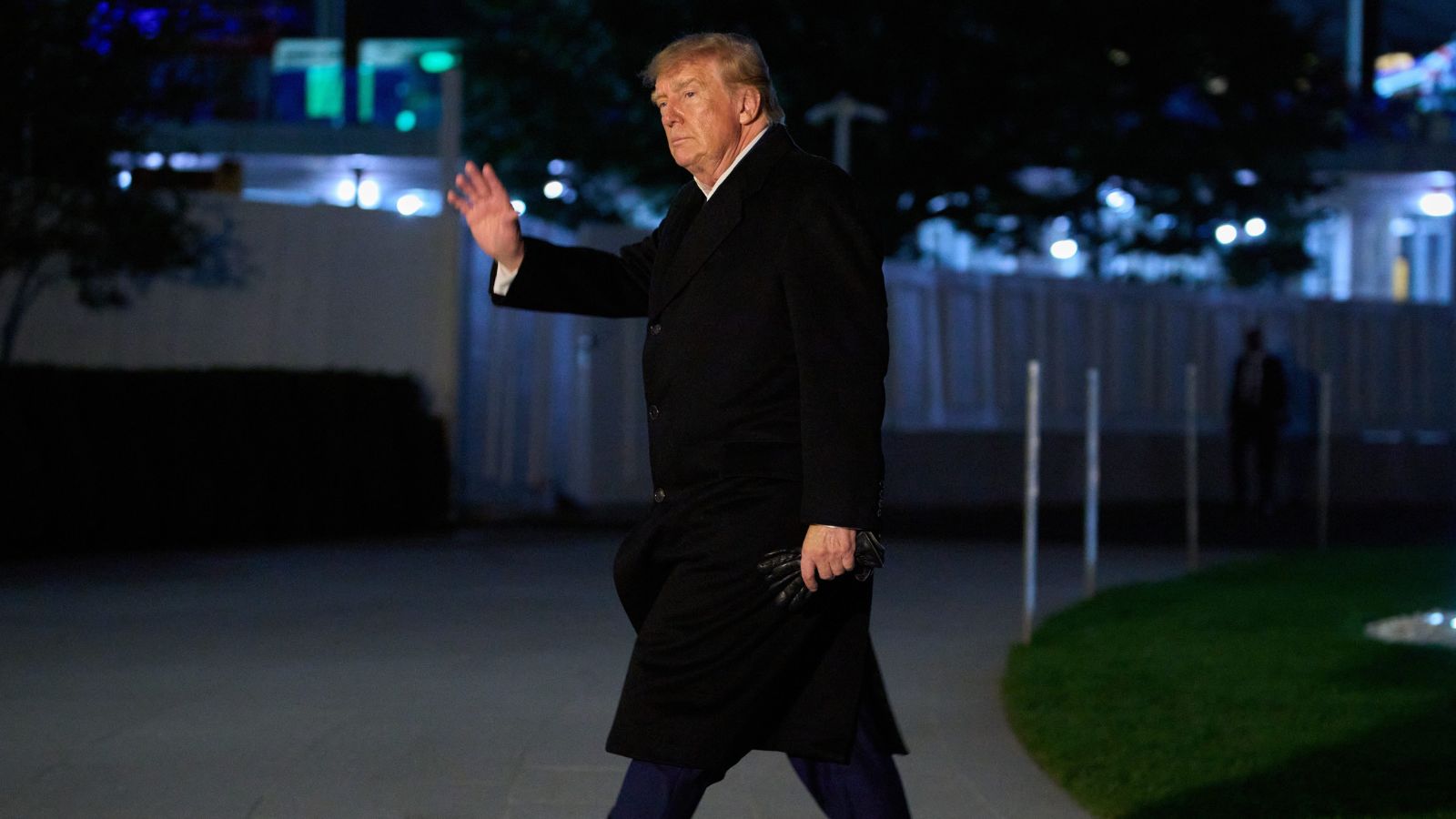
US President Donald Trump has not made a final decision on whether to carry out new strikes against Iran, the diplomats stressed. The president, however, has repeatedly said that he is weighing ordering new military action once the critical November 3 elections in the United States are over.
Also Read:
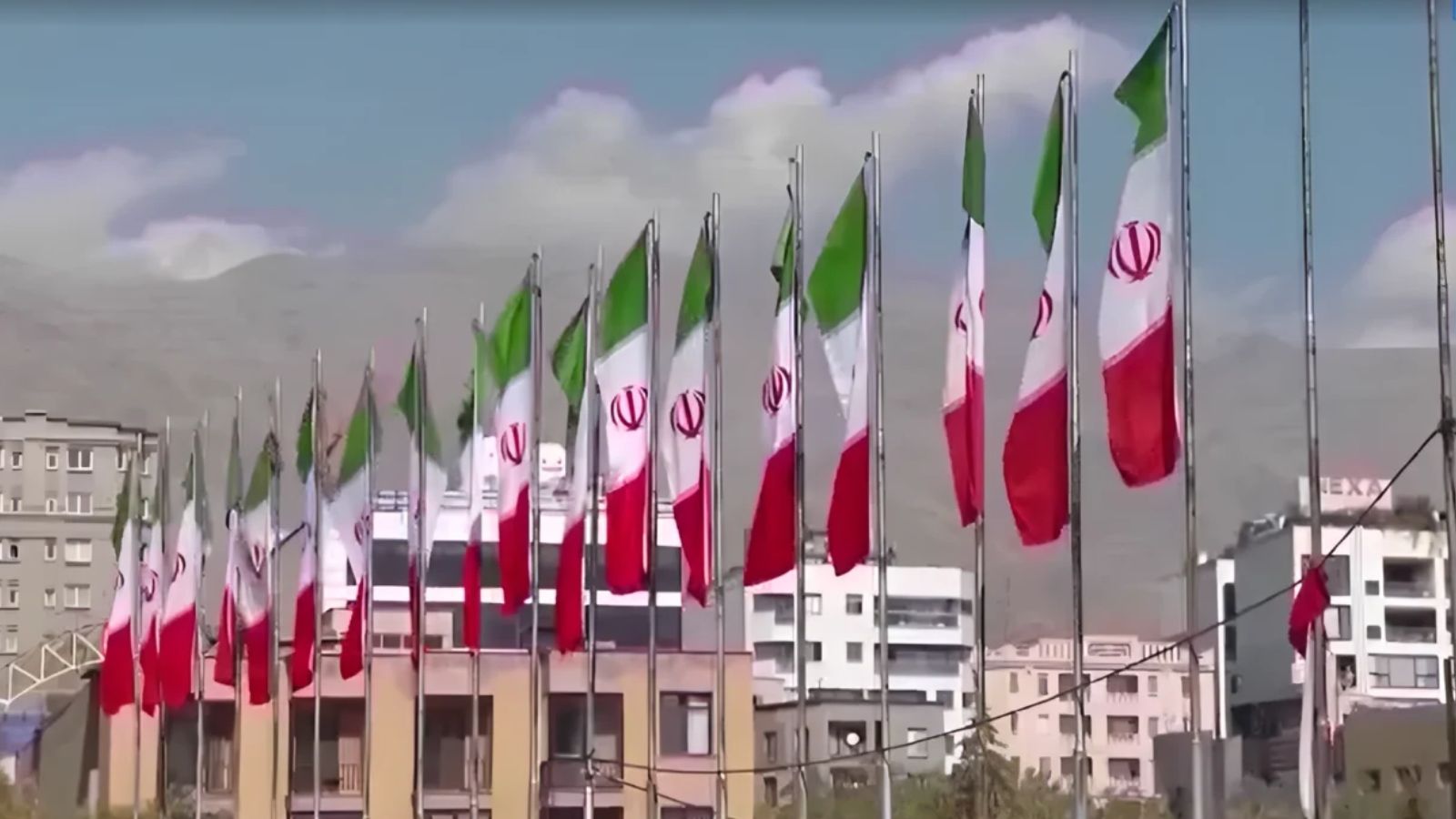
The US has told regional allies that the new round of military action could last for several days, but regional officials are bracing for Iran and its proxy groups to retaliate — leading to a fight that could last even longer, the diplomats said.
The allies have also been urged by US officials to take precautionary measures in anticipation that Iran's response will include retaliatory strikes on energy facilities and other crucial infrastructure.
The White House and US officials declined to comment.
Iran ready to take the diplomatic route: Aragchi
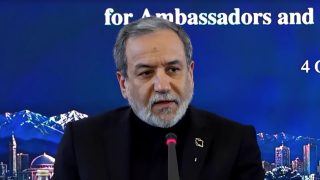
Iranian Foreign Minister Abbas Araghchi said Wednesday in a post on X that Tehran “continues to give diplomacy a chance to succeed” and is working with mediators to review ideas that Tehran included in a proposal floated last month — summarily rejected by Trump — that the Iranians still want to see used as the basis to return to a ceasefire.
In a statement posted on X, Araghchi affirmed that Tehran remains committed to diplomatic efforts while maintaining a high level of military readiness.
“While our Brave Armed Forces are fully prepared to defend the Homeland, Iran continues to give diplomacy a chance to succeed,” he wrote. “We remain in close and ongoing contact with intermediaries to review ideas that can ensure implementation of our 7-Day Plan in even less than a week,” he added.
While our Brave Armed Forces are fully prepared to defend the Homeland, Iran continues to give diplomacy a chance to succeed.We remain in close and ongoing contact with intermediaries to review ideas that can ensure implementation of our 7-Day Plan in even less than a week.
— Seyed Abbas Araghchi (@araghchi) October 28, 2026
Earlier on Wednesday, Araghchi cautioned that a further Israeli-led military attack could trigger severe repercussions for international energy markets.
Meanwhile, the United Arab Emirates (UAE) foreign ministry issued a statement urging the sides to “exercise wisdom and pursue political solutions to help contain tensions” and prevent a return to full-scale operations in the war that began in late February.
JD Vance sends letter to Iran in bid to revive peace talks as Trump threatens strikes
Meanwhile, US Vice President J D Vance has opened a direct channel to one of Iran’s most powerful hard-liners in an attempt to revive peace negotiations, as reported by The Wall Street Journal. This development unfolds while US President Donald Trump threatens to resume military strikes in the approaching weeks.
Vance transmitted a letter to Mohsen Rezaei, who serves as secretary of Iran’s Supreme National Security Council and is a former commander of the Islamic Revolutionary Guard Corps (IRGC). This outreach was designed to examine whether Washington and Tehran might establish a framework for negotiations.
According to a single individual acquainted with the subject cited by the WSJ, the letter was dispatched at Trump’s direction, and the president remains fully informed regarding the initiative.
In a separate context, however, Trump disputed claims that he instructed Vance to initiate peace negotiations with Iran, asserting instead that the vice president’s communication pertained to medical supplies.
(With inputs from AP via PTI & ANI)
The US has told regional allies that the new round of military action could last for several days, but regional officials are bracing for Iran and its proxy groups to retaliate — leading to a fight that could last even longer, the diplomats said.
The allies have also been urged by US officials to take precautionary measures in anticipation that Iran's response will include retaliatory strikes on energy facilities and other crucial infrastructure.
It's unclear how soon the US military would be ready.