



US Defense Secretary Pete Hegseth said on Tuesday that the investigation into the February 28 US military strike on an Iranian elementary school was still underway, as Iran's Foreign Minister Abbas Araghchi said the Strait of Hormuz would remain closed to maritime traffic until Washington accepted Tehran's conditions.
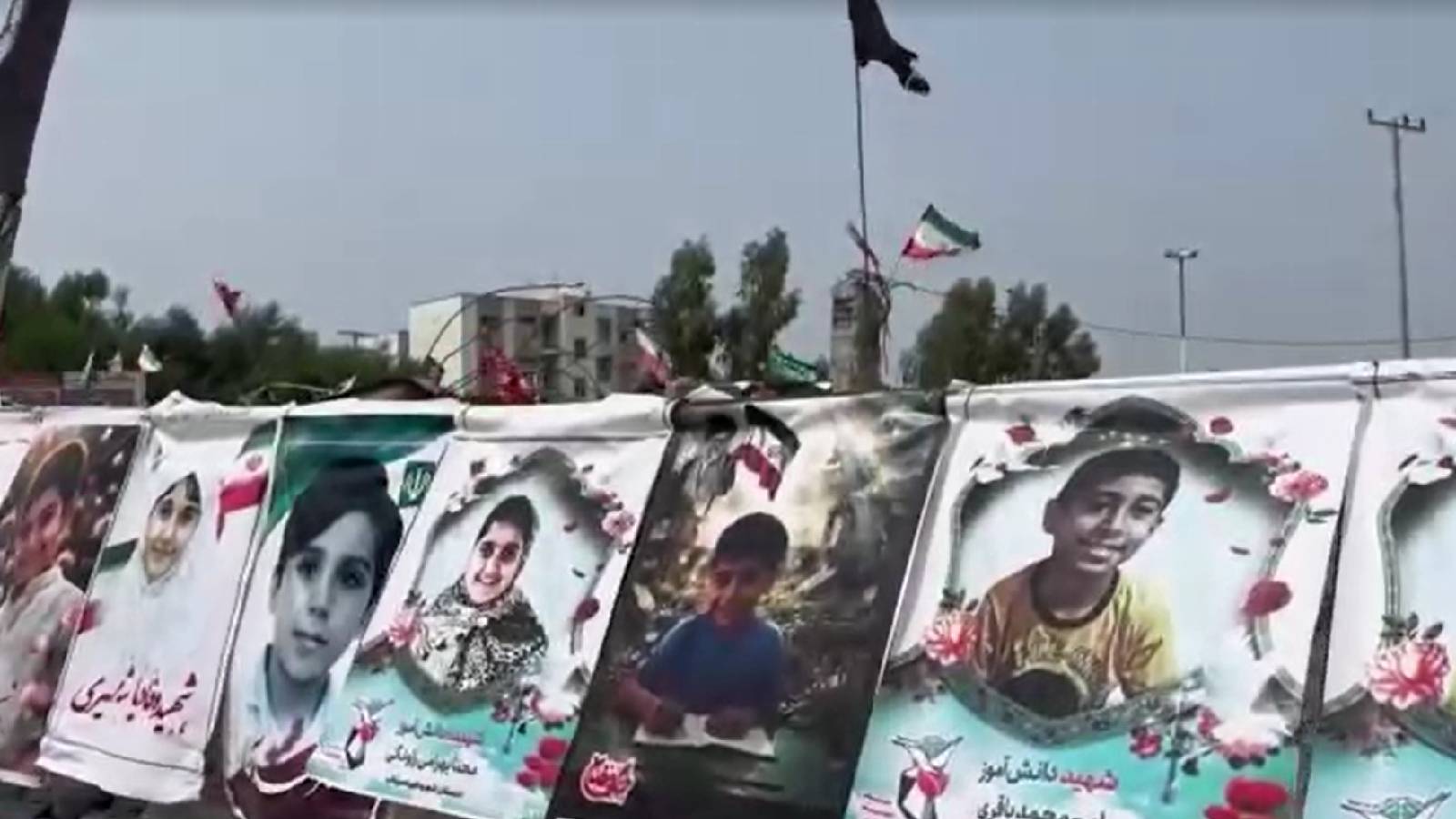
Hegseth said the findings of the investigation into the strike on the Shajarah Tayyebeh elementary school in Minab would be released in due course. The attack, which occurred during US military operations targeting a nearby Iranian military base, killed more than 170 people, most of them pupils.
Reports said a preliminary finding from the ongoing military investigation indicated that the school had been struck by a US Tomahawk missile. Sources said on Thursday that the final report was nearing completion, but the US military intended to release it after the US midterm elections in November.
The investigation reportedly found that outdated intelligence and satellite imagery, along with an overreliance on artificial intelligence, were among the factors that led to the school being struck.
The incident comes amid mounting political pressure on US President Donald Trump over the military operation against Iran. The report cited polls indicating that about 70% of Americans did not support the war, while Trump's approval rating had recently fallen to a new low and Republicans faced a challenging outlook in the midterm elections.
Meanwhile, Araghchi said the Strait of Hormuz would remain closed to shipping until the United States accepted Iran's terms and fulfilled its existing diplomatic commitments.
In an interview with Iraq's Al-Ikhbariya network, relayed by Iranian state broadcaster IRIB, Araghchi said Washington must first honour the previously signed Islamabad Memorandum of Understanding before broader negotiations could proceed.
"Our position on the Strait of Hormuz is clear and unambiguous; we have previously announced and emphasised it," Araghchi said. "The American side must accept our conditions to open the strait to ships and vessels. Before such an understanding or agreement is reached, the strait will naturally be closed, and the movement of ships and vessels through the strait and existing routes will face problems."
He said Tehran would not enter into fresh negotiations on other issues until Washington fulfilled its earlier commitments.
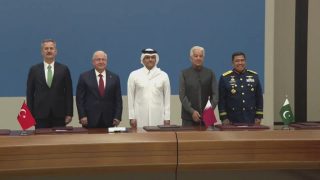
Araghchi also said indirect communications between Iran and the United States were continuing through regional intermediaries, including Pakistan and Qatar. He referred to an Iranian proposal known as the "Seven-Day Plan", which he said outlined Tehran's conditions.
"Our negotiations with the American side through intermediary countries, including Pakistan and Qatar, are continuing continuously," he said, adding that Iran had already presented its conditions to Washington through the initiative.
(With agency inputs from ANI and Reuters)