



Paris: Marseille imposed its first curfew on Tuesday night as residents and the government sought calm following a weekend of violent protests across France, reported Reuters. Paris also faced a second night of curfew restrictions as police patrolled the capital.
Targeted curfews have been introduced over the past two nights in several areas affected by the unrest. The measures had helped restore calm after rioting and looting swept Paris, Marseille, Lyon and other cities on Saturday, October 17, Reuters quoted the government.
French Prime Minister Sébastien Lecornu told parliament on Tuesday that restoring public order was the immediate priority. He acknowledged shortcomings in the state's response to the weekend violence, citing intelligence failures, overly static police deployments and the decision not to cancel planned police leave, Reuters reported.
The unrest has shocked France because of its scale and the apparent inability of police to contain it. It has also heightened political tensions ahead of next year's presidential election, with far-right and hard-left candidates performing strongly in opinion polls.
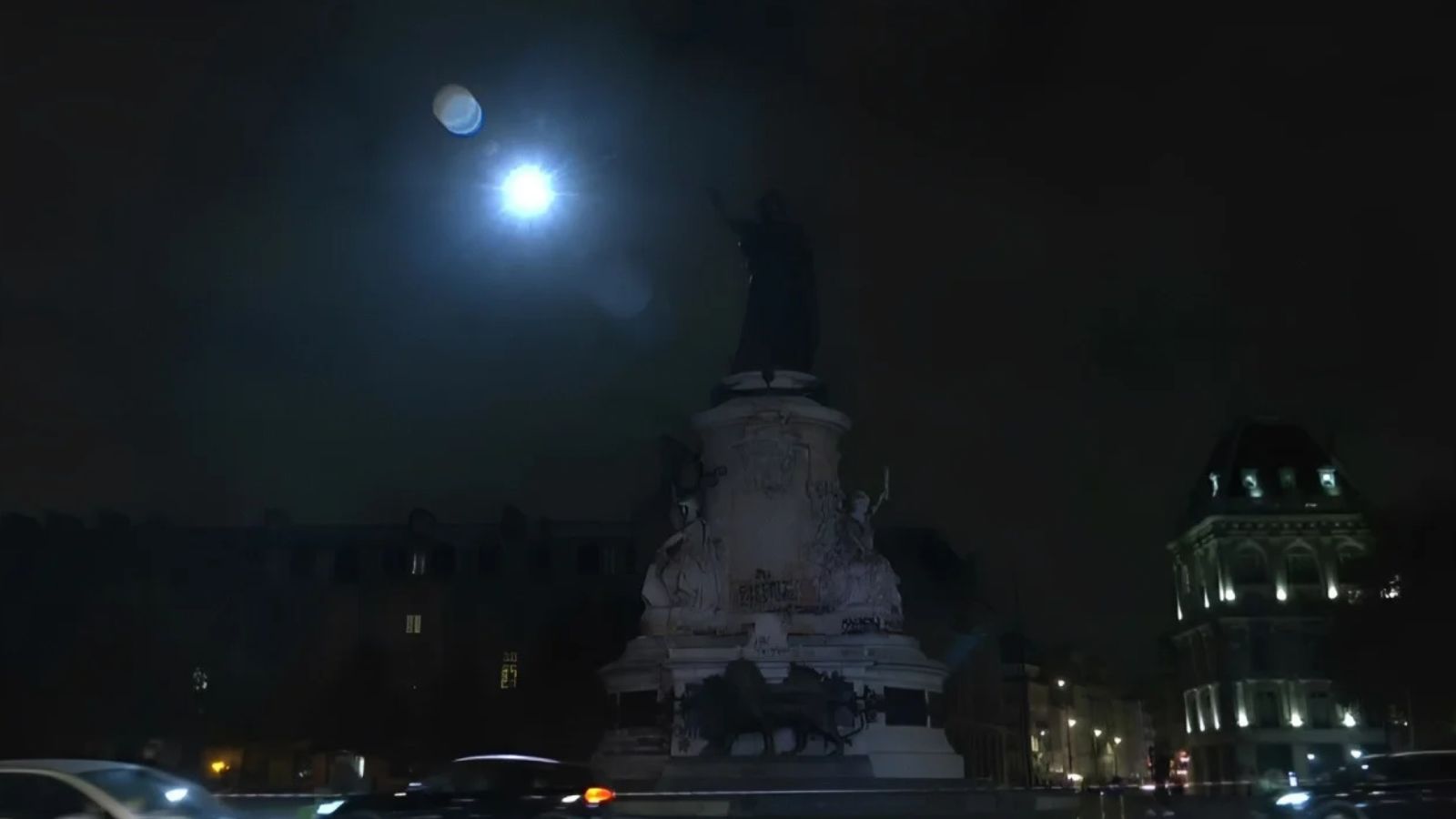
In Paris, residents expressed mixed views on the second night of partial curfews. Place de la République was cordoned off, police officers were stationed outside the nearby metro station, and a helicopter circled overhead.
Student Raphaël told Reuters a curfew could help curb "excessive violence", while Mamadou Diouaré argued that night-time restrictions would not stop looting and could instead fuel resentment among young people.
"It depends on how long it's going to last," student Carla said, adding that the impact of an increased police presence remained unclear.
Lecornu said earlier on Tuesday that targeted curfews imposed in parts of Paris and other cities had helped maintain peace overnight. He said local authorities could impose further restrictions wherever they considered them necessary.
The government has also pledged a major security deployment, including troops alongside police, for further protests planned for Saturday. Reuters reported that the government intended to reinforce security after acknowledging failures in its handling of the previous weekend's violence.
Governments in Europe and Asia, including China, have advised their citizens travelling to France to avoid large crowds and exercise caution amid concerns over security conditions.
What is behind the protests in France?
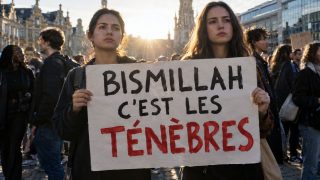
The current unrest follows weeks of student-led demonstrations over poor school conditions, teacher shortages and inadequate resources. The movement has widened to include protests against rising living costs and declining public services. The Associated Press reported that student groups, labour unions and other demonstrators joined nationwide marches on October 17. Although most participants marched peacefully, clashes, looting and damage to public buildings occurred in several cities. The government has blamed far-left groups and opportunistic offenders for the violence, while critics say the response must also address the underlying social grievances.
Has France witnessed similar protests before?
France has a long history of mass demonstrations and unrest. In 2005, riots spread through suburbs and cities after two teenagers died while fleeing police in Clichy-sous-Bois. In 2018, the Yellow Vest movement began with opposition to fuel-tax increases before expanding into a broader protest against living costs and inequality. In 2023, nationwide demonstrations and strikes opposed President Emmanuel Macron's pension reforms, including raising the retirement age from 62 to 64. The current protests have different immediate triggers, but again show how grievances over public services, economic pressures and government policy can lead to large-scale mobilisation. Reuters and the Associated Press have drawn comparisons with the Yellow Vest movement, while noting the distinct circumstances of the present unrest.
What are French political leaders saying?
Lecornu has made restoring public order his immediate priority and acknowledged failures in intelligence and police deployment. Interior Minister Laurent Nuñez also accepted responsibility for shortcomings, saying police had lost control in some cities during the weekend violence. President Emmanuel Macron condemned attacks on public buildings and businesses, saying those responsible should be prosecuted. Opposition figures have challenged the government's response from different directions. Green presidential candidate Marine Tondelier argued that a curfew could not resolve a wider social crisis, while far-right National Rally leader Jordan Bardella criticised Macron's decision to retain Nuñez after the minister offered to resign. Left-wing leader Jean-Luc Mélenchon also criticised the handling of the crisis and challenged Lecornu's suggestion that the far left was seeking to provoke disorder. These positions reflect a political dispute over public order, police preparedness and the social causes of the unrest.
Are similar protests taking place elsewhere?
The unrest in France comes amid demonstrations in other European countries, including Italy and Albania, where anger over living conditions and dissatisfaction with governments have also prompted protests. Reuters reported that northern Italian cities, including Milan, experienced riots over the same weekend, while protests were expected to continue in Albania's capital, Tirana. The causes and political contexts differ, and the demonstrations should not be treated as a single coordinated movement. The developments nevertheless point to wider tensions over living standards and public confidence in political institutions in parts of Europe.
(With inputs from Reuters, Associated Press and Le Monde)