


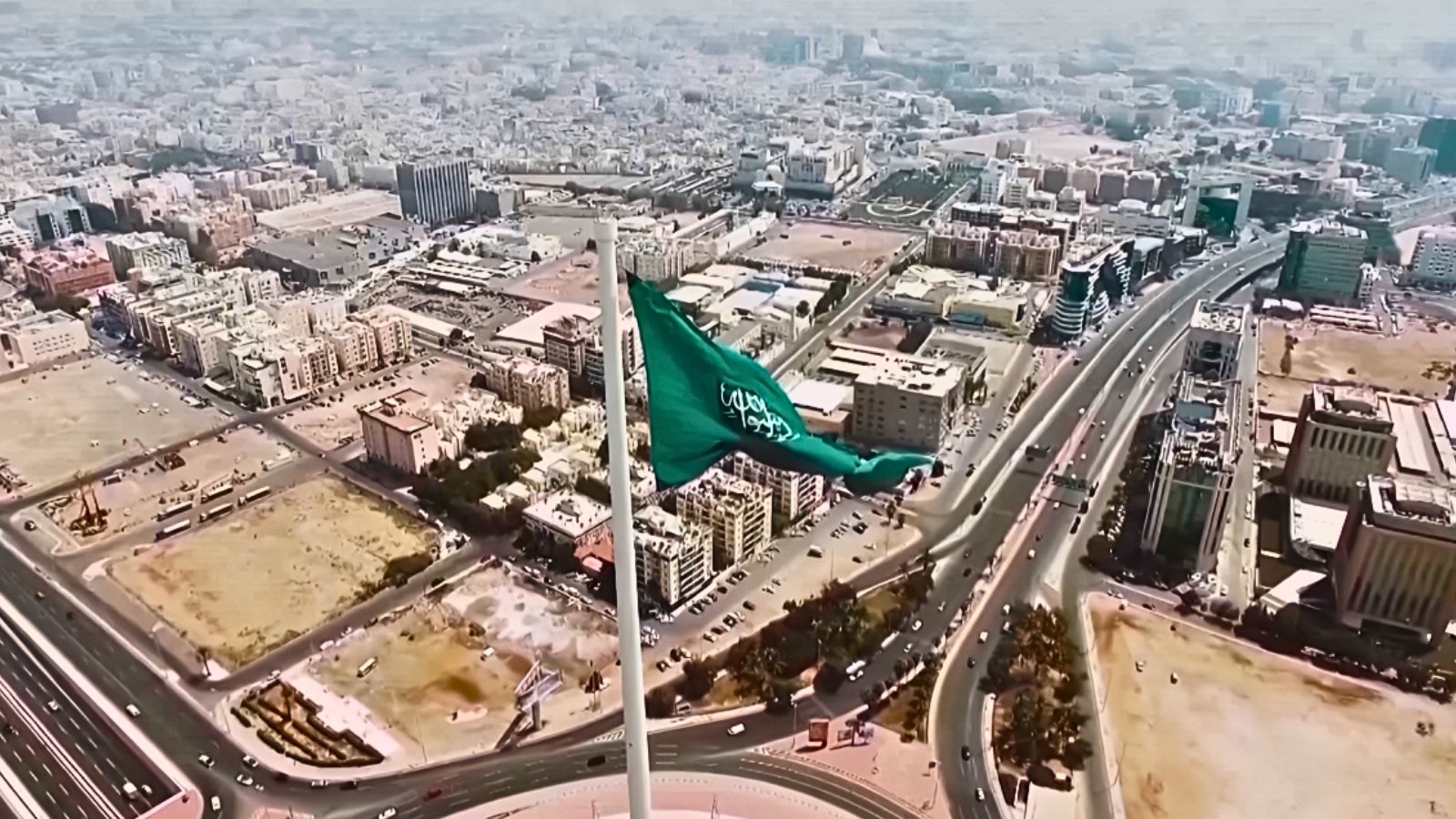


Cairo: The Saudi Ministry of Energy said a limited fire broke out in an administrative building in Aramco, one of the world's largest oil facilities, that was targeted in the country's Eastern Province. The ministry said no injuries were reported.
The attack comes as the Iranian-backed Houthis and the Saudi coalition exchanged attacks Tuesday night. It marks a fresh escalation in the widening Middle East crisis and came shortly after the Saudi coalition reported a series of alerts for incoming missiles heading for the country's Eastern Province, a major oil-producing region, and the capital Riyadh.
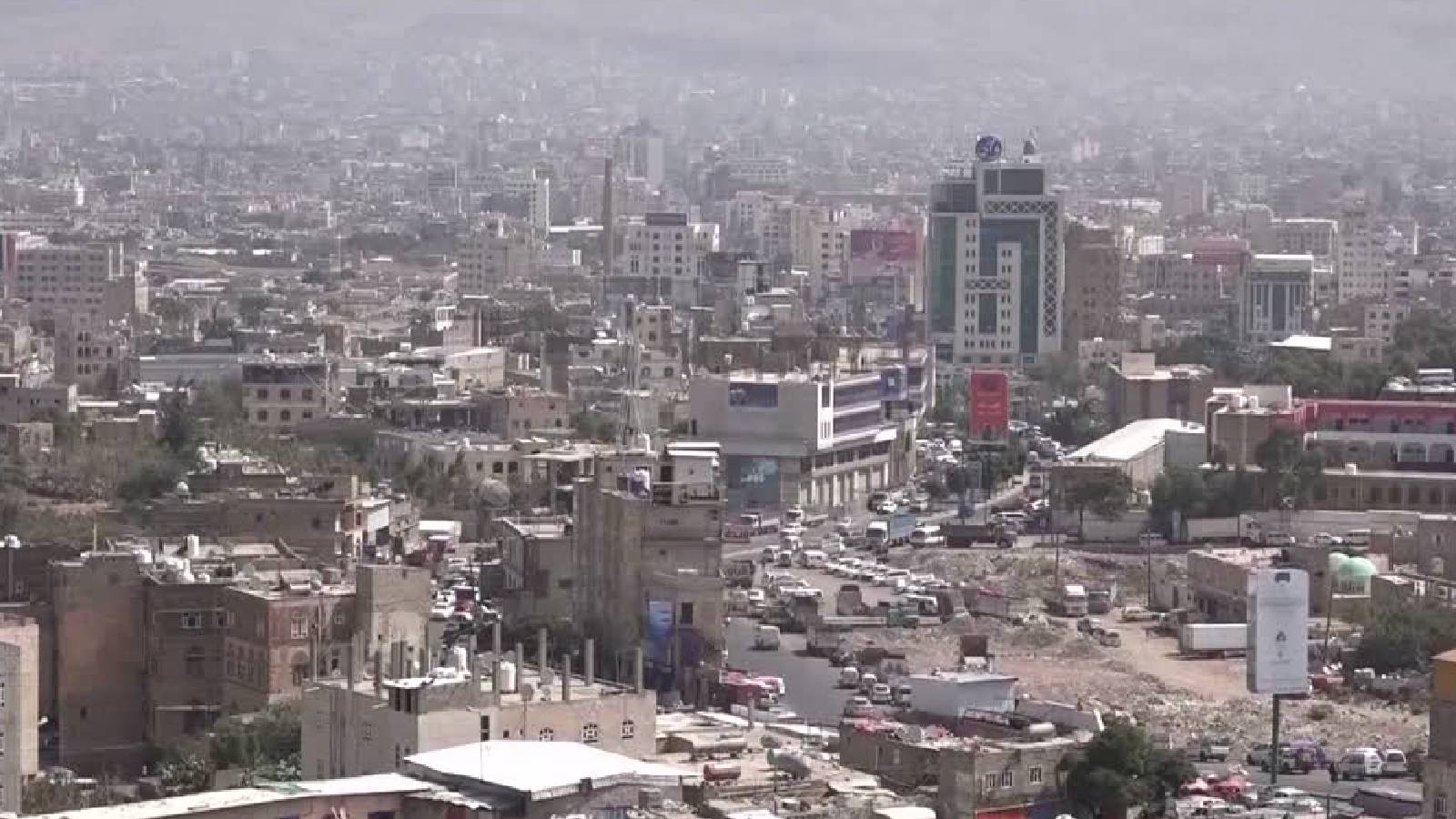
A coalition of forces in Yemen led by Saudi Arabia carried out new airstrikes Tuesday on the Houthi rebel-held Yemeni capital of Sanaa, the Houthi-run broadcaster Al Masirah and residents said.
The strikes marked a fresh escalation in the widening Middle East crisis and came shortly after a coalition spokesman urged residents to evacuate the area for their safety. Witnesses reported hearing strong explosions in Sanaa hours after the coalition struck the Subaha fuel facility west of the city.
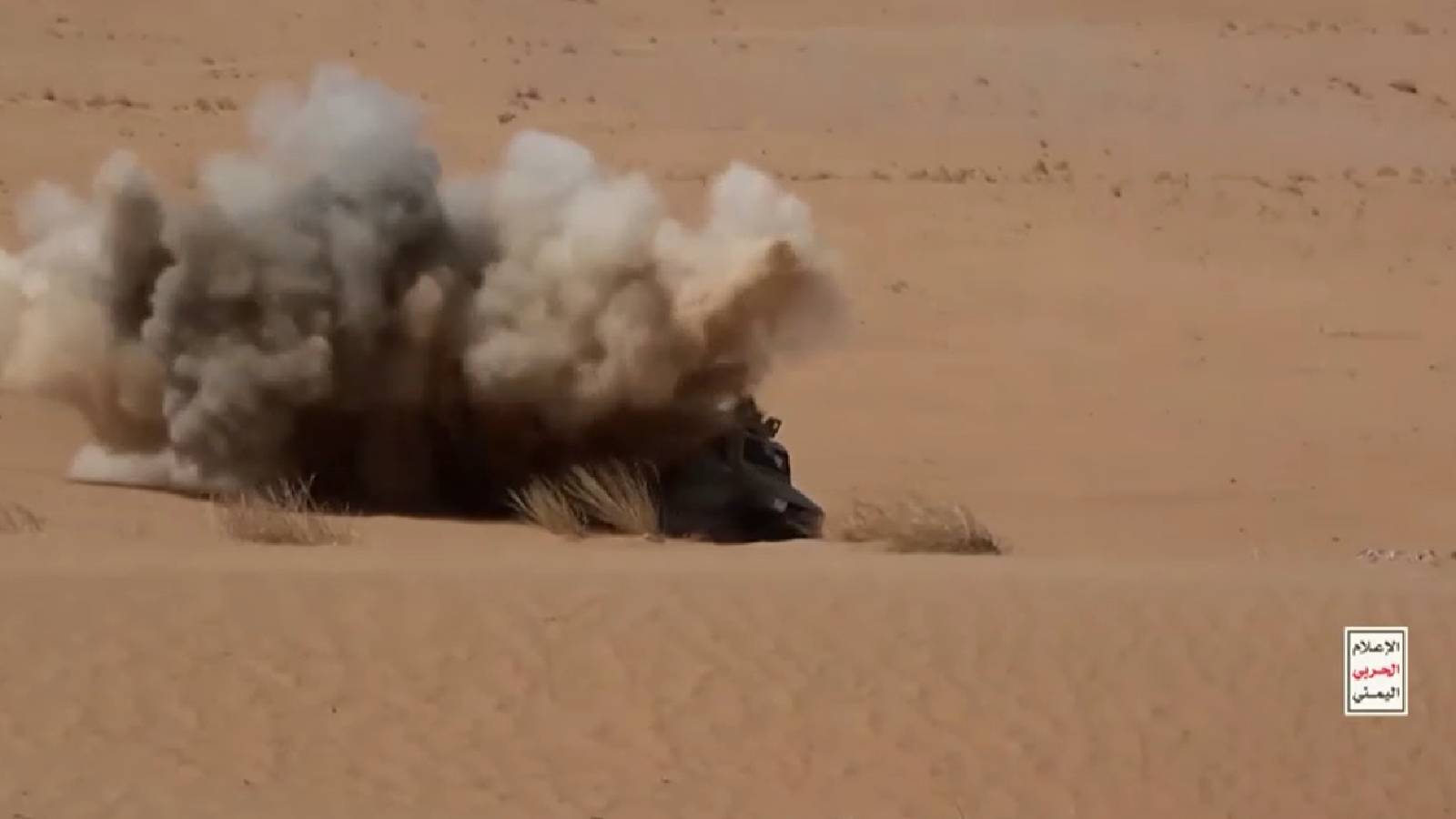
In a rare statement earlier, the coalition had urged civilians in the Houthi-controlled capital to leave the Yemeni Oil Company site, on a hill overlooking the capital, and nearby storage areas ahead of a possible strike.
Coalition spokesman Major General Turki al-Maliki accused the Houthis of using the facility and its underground fuel depots for their arsenal of missiles and drones.
Houthi officials appeared to have anticipated the attack. The oil company said its storage facilities were empty and that a Saudi strike would not affect oil reserves or supplies for residents. Still, witnesses in the city said lines of cars formed at some gas stations amid fears of a shortage.
Shortly after the warning, Houthi military spokesman Brig Gen Yahya Saree said on Telegram that any Saudi attack on Sanaa would be met with a “firm and painful” response in the Saudi capital, Riyadh.
Hours later, Saudi Arabia issued alerts for incoming missiles heading for Riyadh and the country's Eastern Province, a major oil-producing region, but quickly said the danger had passed. The coalition said it had intercepted a series of Houthi-launched ballistic missiles, drones and cruise missiles in multiple areas in the country, including Riyadh and the southern province of Wadi al-Dawasir. Riyadh residents reported hearing loud explosions.
Also Read:

Airlines moved a number of their planes out of Riyadh on Tuesday on the advice of insurers and government officials because of the threat of additional attacks. They needed to transfer the planes to other airports in the country so they can keep flying passengers to their destinations, said Osprey Flight Solutions Chief Intelligence Officer Matthew Borie, whose company advises airlines, insurers and countries on flight threats. This kind of move is common when conflict erupts.
“It's not abnormal for this to occur, especially in this day and age with the types of conflict zone situations that have occurred in the region,” Borie said.
It was unclear whether the Tuesday strike in Yemen was a signal of military escalation or a carefully measured response to recent deadly attacks on the Riyadh airport.
The warning and the attack show “the Saudis' aims of upping the ante and striking deep in the heart of Houthi-controlled territory while attempting to control the narrative by presenting themselves as more careful and humanitarian actors than the Houthis,” said Adam Baron, a fellow at the Washington-based New America Institute.