



Amidst predictions of the strongest-on-record El Niño later this year, researchers have put forth five actions through which people around the world could be better prepared for the event, potentially reducing its toll on human health.
The actions are aimed at gaining a comprehensive risk overview, which holds the key to being able to tackle and minimise the likely consequences, including the spread of infectious diseases, malnutrition and various heat-related conditions such as dehydration and heatstroke, the team, led by the UK's University of Bristol, said.
Published as a correspondence article in The Lancet journal, the recommendations call for the United Nations and other international bodies to address the urgent need to protect health and prevent disease when El Niño is officially declared.
The researchers said that as the El Niño cycle can be forecast months in advance, preparatory measures should be put in place to mitigate the impact, especially in countries most vulnerable.
In early September 2026, the World Meteorological Organization (WMO) said in an update, "El Niño is firmly established and is expected to strengthen further."
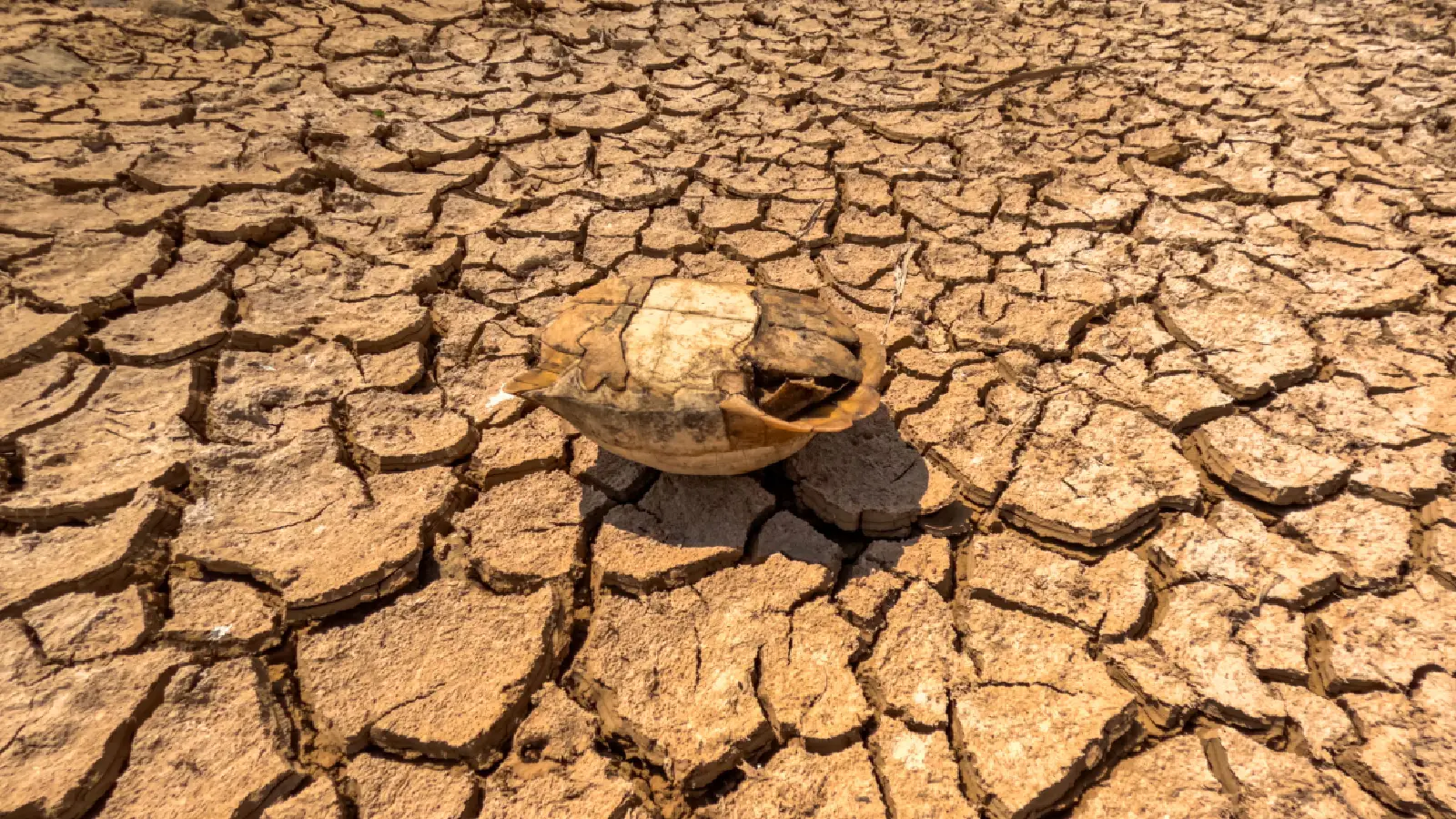
El Niño is a climate driver associated with warmer sea surface temperatures. Studies have found that El Niño tends to drive more climate extremes.
"Exceptionally warm tropical Pacific Ocean conditions support further intensification. A very strong El Niño can significantly shift rainfall and temperature patterns worldwide and fuel extreme weather," the WMO said.
The researchers said the direct effects of El Niño will be felt across the globe and may heighten instances of extreme weather in regions such as India, East Asia, South America, parts of Africa and the West Pacific.
"Since the current El Niño pushes many regions into more extreme climates, there's a pressing and unprecedented need to better understand, measure and pinpoint the different dangers for individual countries and places," lead author Ruby Lieber, senior research associate in climate science at the University of Bristol, said.
Although it is widely acknowledged that El Niño exacerbates wide-ranging health risks posed by climate change, the additional threats presented remain largely unquantified, the researchers added.
The team recommended that national governments be supported to assess the effects of El Niño on population health and to implement necessary precautions, including early-warning systems.
They also called to scale up El Niño-focused climate-health attribution studies and use the findings to inform and shape policy and practice.
Continuously review the health effects of El Niño to gain a comprehensive picture of its evolving impact and help identify and address any evidence gaps, the team advised.
Assess the cost-effectiveness of climate-health measures taken, such as early warning systems, bolstering health system capacity, urban flood protection and food system resilience actions, they said.
Lieber said, "Partnership working is imperative, and such global entities need to urgently call on advances in attribution science to more accurately recognise and assess how much of the repercussions are the result of human-induced climate change and how much are a result of El Niño."
"By isolating the El Niño-related impacts, we can generate much more targeted and event-specific actions," the lead author said.