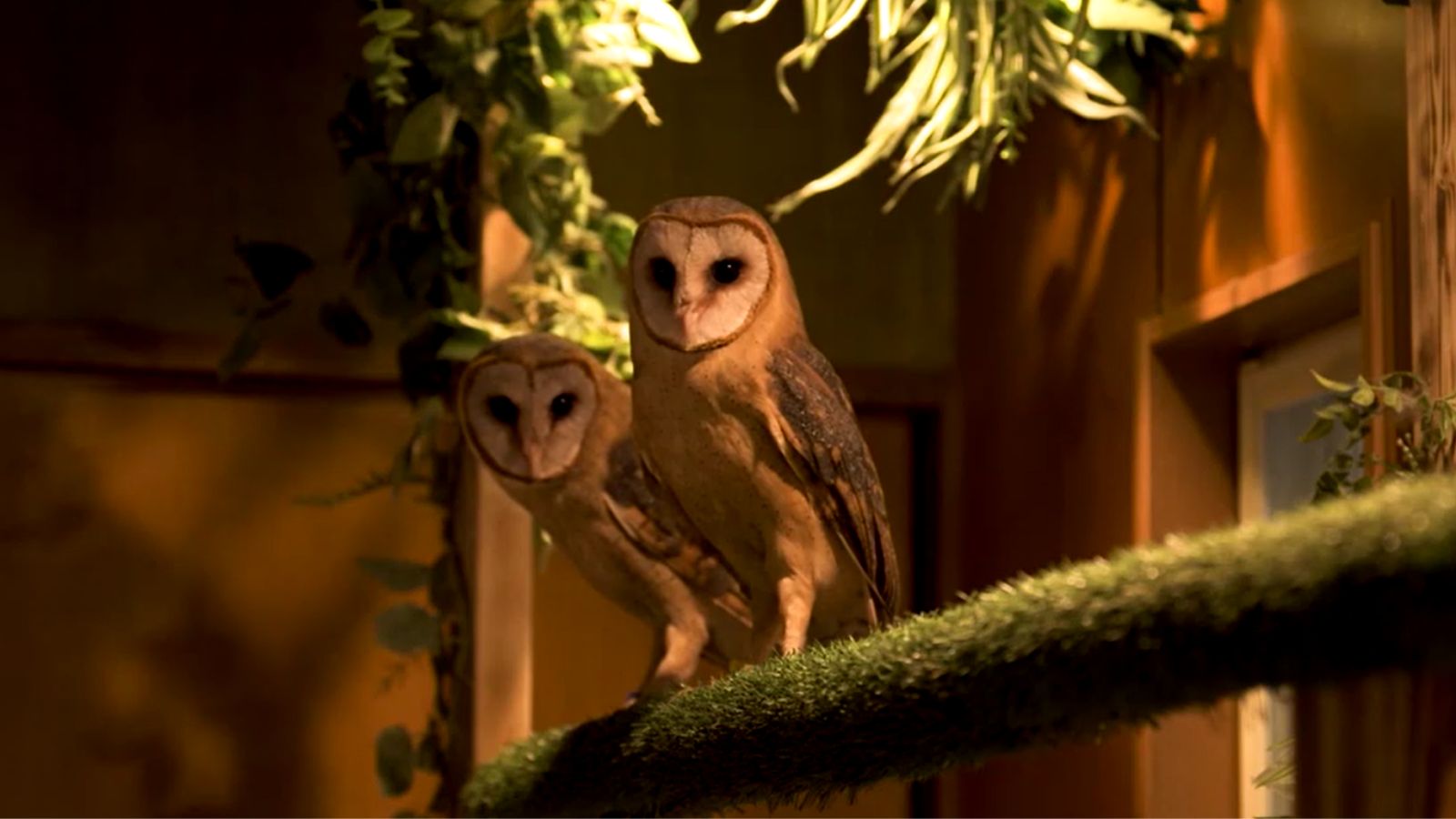


Tokyo/Kamakura: Japan has started its first nationwide survey of animal cafes amid concerns over animal welfare, hygiene and public health, bringing greater scrutiny to the popular but lightly regulated sector.
“In terms of regulatory development, I do feel that Japan is lagging behind in some areas, and I hope that by addressing these gaps and making sure that regulations are actually implemented, we can clearly set facilities like ours apart from those that are not up to standard,” said Syaina Nozaki, manager of Owl Otter Cafe in Kamakura, near Tokyo, which houses animals rescued from commercial breeders and animal cafes that have gone out of business.
Also Read:

The government survey, which began this month, will examine the number of animal cafes in Japan, the types of animals they house, the conditions they are held in and how visitors interact with the animals.
Nozaki welcomed the survey, saying her facility made efforts to improve welfare, including housing otters in family groups and allowing owls to fly freely within the premises.
“As a rescue organisation, we take in all sorts of animals and, as we prioritise animal welfare and providing a lifelong home for them, we are very committed to that. However, unfortunately, there are inevitably some facilities and cafes that do not operate in the same way,” she said.
Read Also: Dogs' brains may segment human speech into words like humans
Exotic animal cafes, where visitors can interact with species ranging from otters to owls and marmots, have become popular attractions for both Japanese and foreign tourists. But researchers say some facilities keep threatened species, raising concerns about animal welfare and the trade in wildlife.
“Firstly, there is the question of whether these animals are being kept and treated in appropriate conditions. Secondly, there is the impact on humans. As interactions between animals and humans inevitably raise concerns such as the risk of spreading diseases, I think ensuring that issues like these two are properly addressed will be the main two objectives,” said Takuya Ishikawa, the Japanese Environment Ministry official overseeing the survey.
Japan, which has a large domestic pet market, ranked as the world's second-biggest importer of both live reptiles and mammals by value in 2024, a report by the World Wildlife Fund said this month, highlighting risks including invasive species introduced through pet releases and the spread of zoonotic diseases.