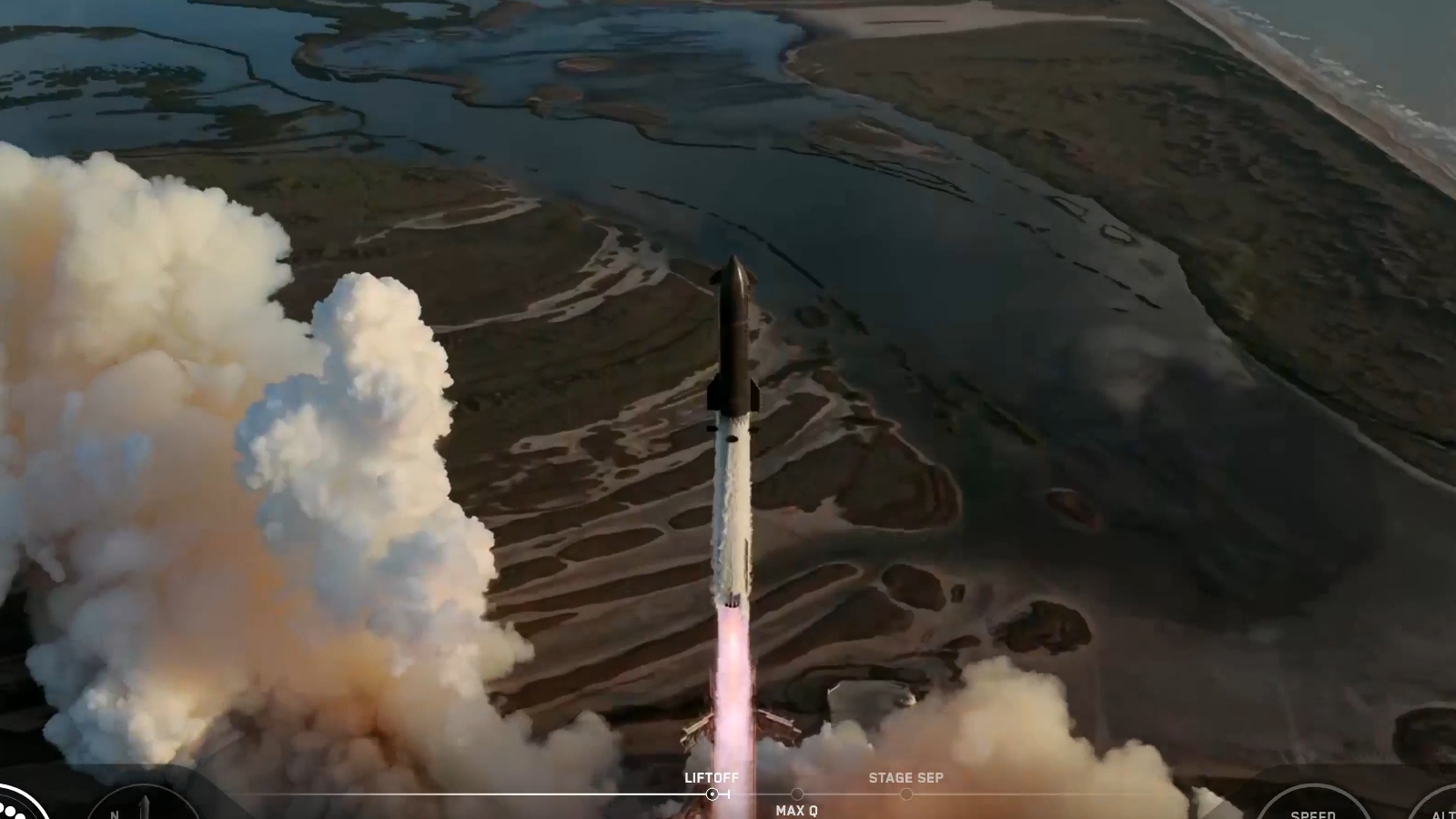


Texas: Elon Musk-headed SpaceX launched its Super Heavy rocket Starship from Starbase in Texas on Monday, with the spacecraft reaching orbit around Earth for the first time. The flight also marked the first deployment of Starlink V3 satellites into the constellation.
Liftoff of Starship! pic.twitter.com/40D8bXSkr2
— SpaceX (@SpaceX) September 28, 2026
During the flight, Starship’s Raptor engines ignited during hot-staging separation, while the Super Heavy booster boosted back towards its splashdown site in the Gulf of America. Super Heavy later splashed down in the Gulf of America.
Starship’s Raptor engines ignite during hot-staging separation. Super Heavy boosted back towards its splashdown site in the Gulf of America pic.twitter.com/0DcBz1wayt
— SpaceX (@SpaceX) September 28, 2026
Super Heavy has splashed down in the Gulf of America! pic.twitter.com/pEIjC2Aae1
— SpaceX (@SpaceX) September 28, 2026
Starship’s ascent burn was completed, after which the spacecraft entered a passively safe suborbital trajectory while teams checked its systems before proceeding to orbit. Starship then performed its orbital insertion burn and entered Earth orbit for the first time.
Starship performs its orbital insertion burn and enters orbit of Earth for the first time pic.twitter.com/LodrSTnEnl
— SpaceX (@SpaceX) September 28, 2026
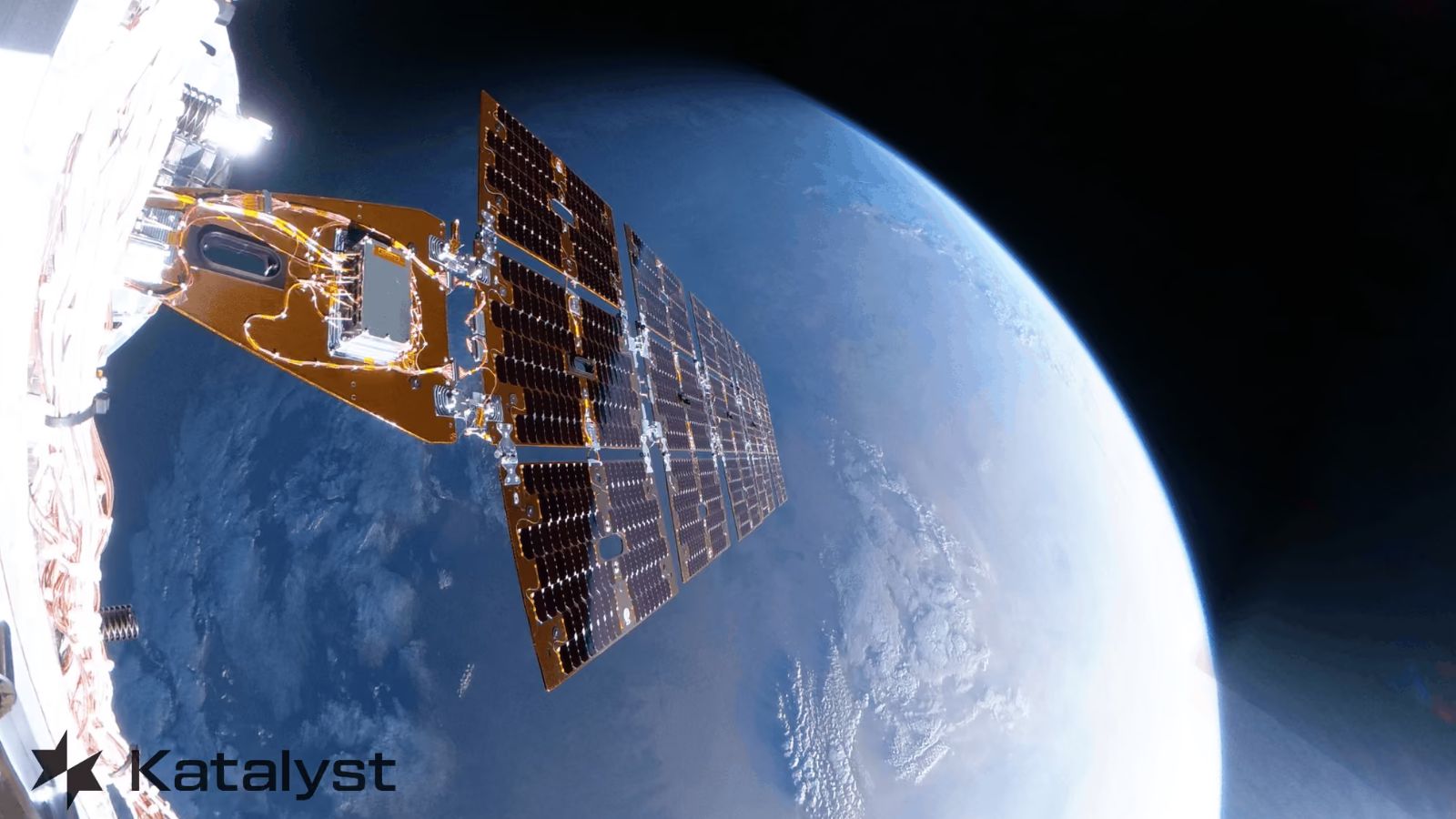
Starship subsequently deployed its payload of 26 Starlink V3 satellites. According to SpaceX, the satellites are designed to dramatically expand connectivity speeds and reliability around the world.
Starship has begun deploying its payload of 26 @Starlink V3 satellites. This deployment sequence will take ~30 minutes pic.twitter.com/ycIdAx5Lbe
— SpaceX (@SpaceX) September 28, 2026
The @Starlink team has made contact with all 26 satellites https://t.co/qiAubuhytS
— SpaceX (@SpaceX) September 28, 2026
Starship is the biggest and most powerful rocket ever built, standing at 407 feet. Both of its stages, the Super Heavy booster and Ship upper-stage spacecraft, are designed to be fully and rapidly reusable, a breakthrough that SpaceX has called the ‘holy grail of rocketry.’
Starlink V3 is a next-generation satellite design that includes meaningful increases in capacity, data density and power generation. The Starlink V3 satellite is designed to support 1 Tbps of downlink and 160 Gbps of uplink capacity. That, according to Starlink, is a 10x improvement in downlink capacity and a 22x increase in uplink capacity over the Starlink V2 satellite.
Starship’s initial orbital mission was expected to fly at an altitude of approximately 275 km above Earth and complete approximately six orbits around the planet over the course of a nearly 10-hour flight, with splashdown targeted in the Pacific Ocean to the west of Chile.
The booster’s primary test objectives on Flight 14 included executing a successful launch, ascent, stage separation, boostback burn and landing burn at an offshore landing point in the Gulf of America. Several modifications had been made to the hardware and software to address issues seen on the previous flight.
The Starship upper stage’s primary objectives included the first orbital insertion maneuver, the deployment of 26 Starlink V3 satellites, a deorbit burn using a single Raptor engine while in space, and a controlled reentry, descent and splashdown in the Pacific Ocean.
After deploying from Starship, the Starlink V3 satellites were to unfold their antennas and deploy their solar arrays and make initial contact with the ground and the rest of the Starlink constellation via radio frequency and laser links. The satellites would then begin raising their orbits with their onboard thrusters. Following their on-orbit checkouts, the satellites were expected to begin serving customers as soon as a few weeks after launch.
Three of the satellites had been modified with a suite of cameras to scan Starship’s heatshield and transmit imagery to operators to continue testing methods of analyzing Starship’s heatshield readiness for a return to the launch site on future missions.
Also Read:
Described as the ‘holy grail of rocketry,’ SpaceX believes Starship could open up space exploration for mankind, perhaps even allowing humanity to colonize the Moon and Mars.