

Iraq ordered its civil aviation authority to suspend Iranian flights to Baghdad airport starting Wednesday, two sources told Reuters, after the United States threatened to sanction any airport that services Iranian carriers.
US Treasury Secretary Scott Bessent said on Monday that all Iranian airlines would be shut down on September 23 by the threat of secondary sanctions on air services providers, seven months into the war between the United States and Iran.
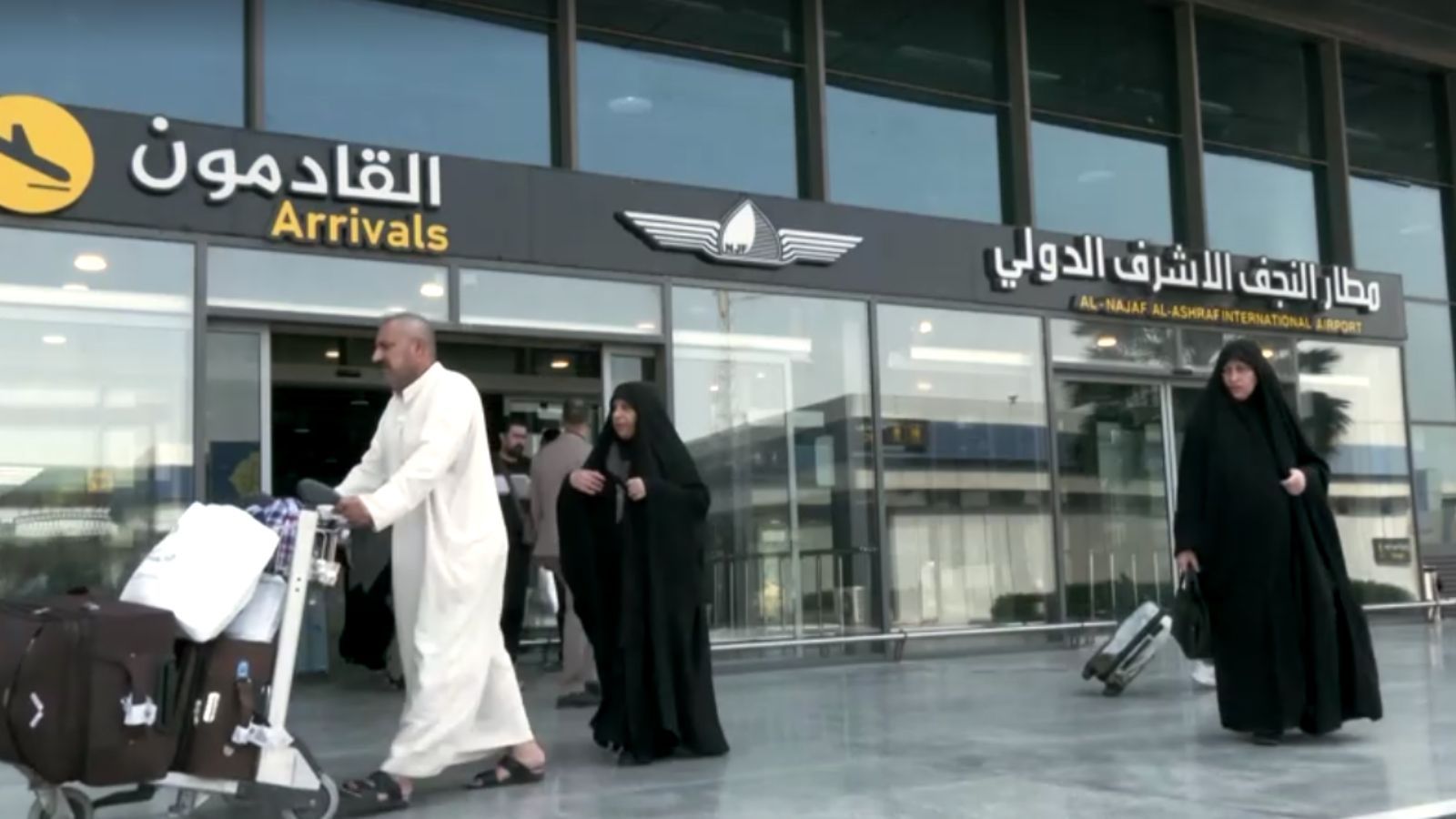
On the other hand, operations at Iraq's Najaf International Airport were continuing as normal, with no directives received to stop flights to any country, said the airport's deputy director on Wednesday.
Hussein Abbas said the airport was committed to international agreements and would abide by any instructions received from the central government or the civil aviation authority.
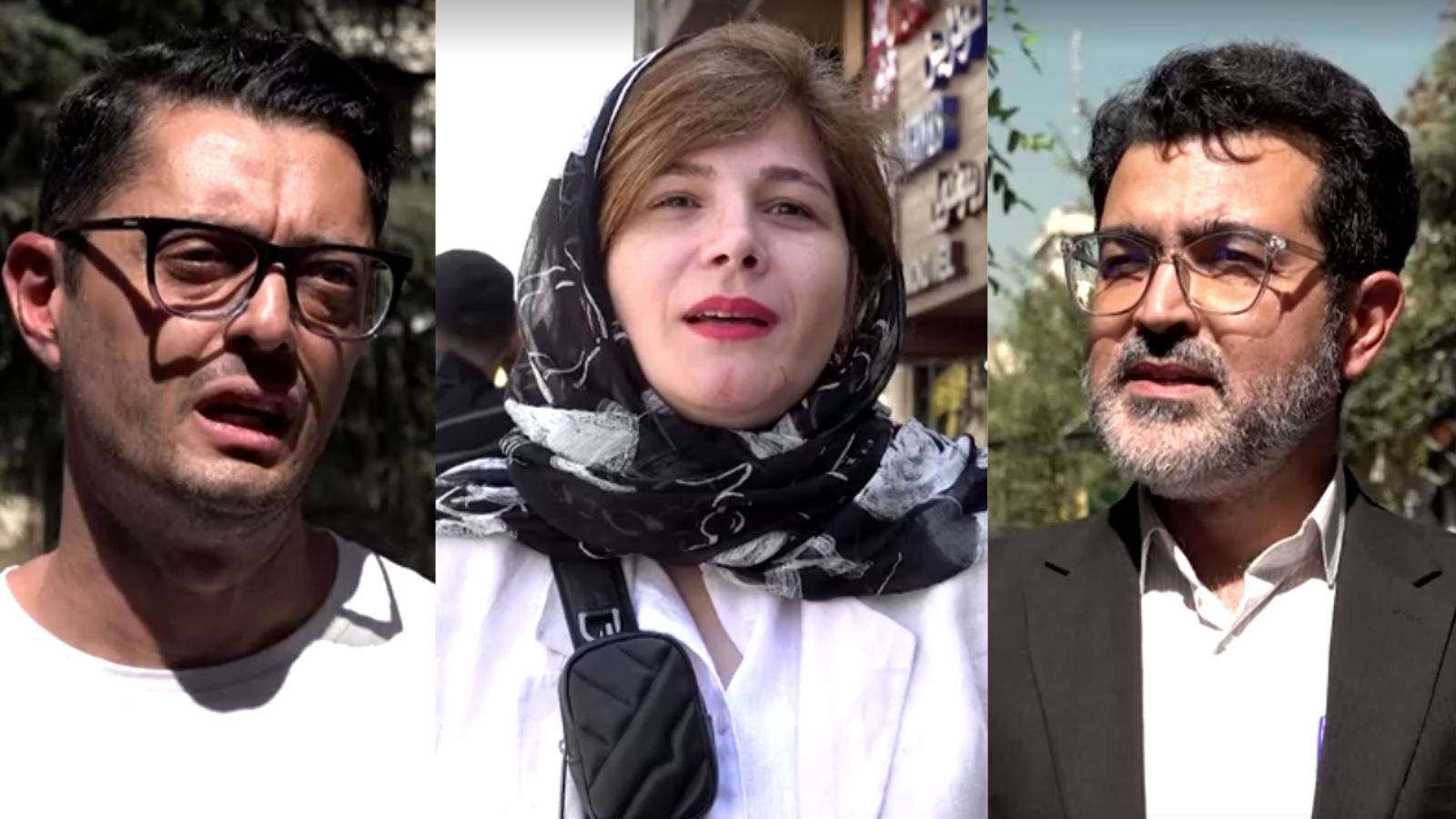
The head of al-Sindbad's travel agency, Ahmad Saad, said on Wednesday the sanctions had affected Najaf airport, with travellers unsure whether flights would keep running for a few more days or stop altogether.
He said travel firms had already suffered financial losses during the ongoing conflict, and travellers were now too afraid to book, worried about not being able to return.
The Iraqi government is discussing diverting Iranian Airways flights from Baghdad to Najaf Airport, two sources familiar with the matter said. They spoke on condition of anonymity because of the sensitivity of the matter.
The suspension of flights will begin at midnight on September 23.
If neighbouring countries cooperate with the United States by stopping Iranian flights, Iran will ensure that their airports cannot function, Mohsen Rezaei, secretary of Iran's Supreme National Security Council, said in an interview with state TV on Wednesday.
Rezaei also said the Strait of Hormuz will not be reopened and negotiations won't proceed unless Iran's conditions are met.
The war, launched by Trump in February alongside Israel as ‘Operation Epic Fury ', has lasted nearly seven months, killing thousands of people, disrupting global energy supplies and spreading to other countries in the region, particularly to Lebanon and more recently to Yemen.
Trump repeated previous assertions that the war could end around the time of November's US midterm elections, though he has not explained why.
An interim agreement reached in June, signed by Trump and Pezeshkian, would have given Iran its main demands, lifting financial sanctions and unfreezing assets in return for talks on limiting its nuclear programme.
But that deal unravelled within weeks over shipping rules in the Strait of Hormuz, a conduit for a fifth of global oil and liquefied natural gas before the war. Iran wants to exert control and collect fees from ships that use it, which Washington rejects.