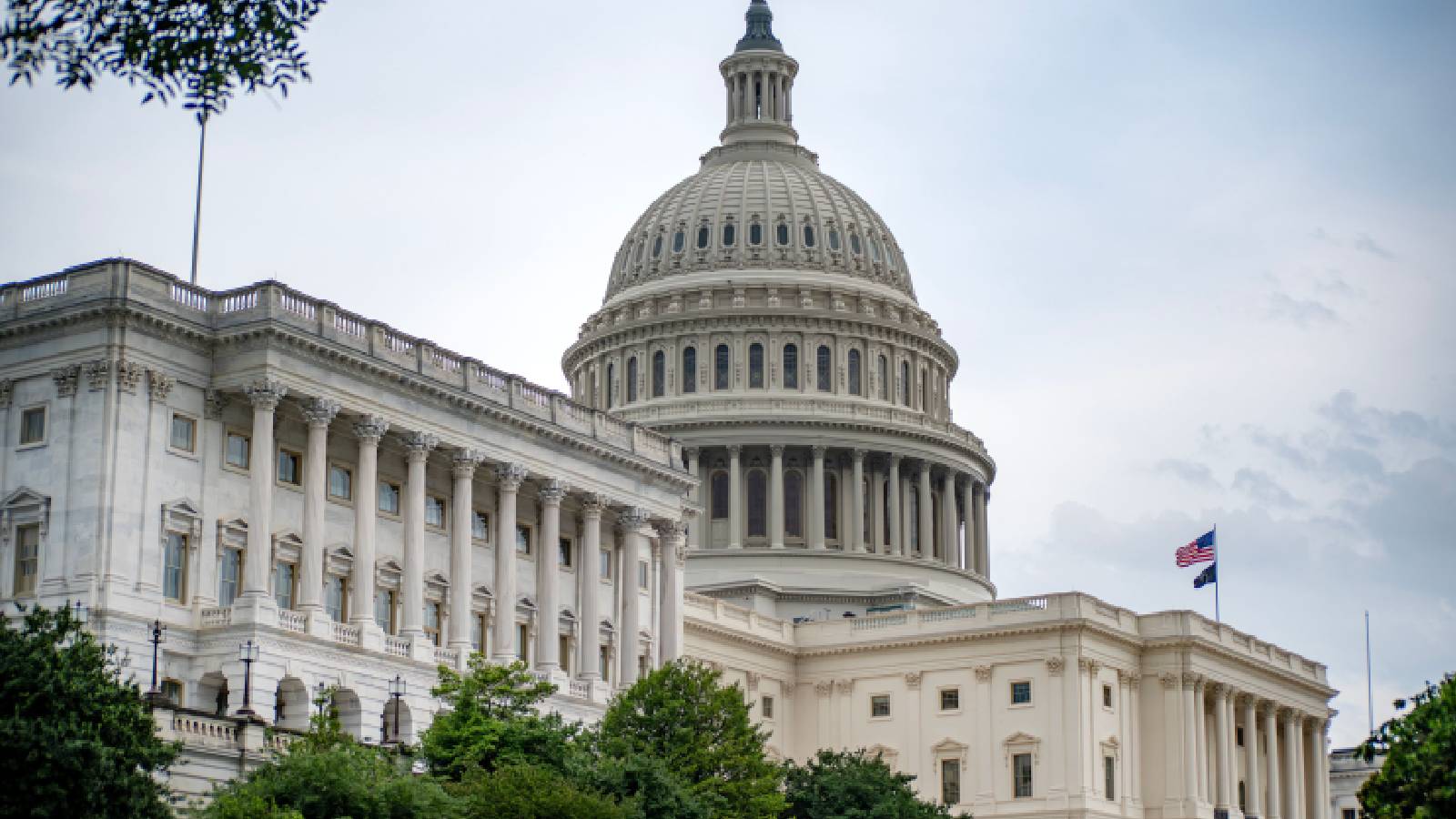


Washington: The House on Wednesday passed a broad package of sanctions targeting Russian officials and key sectors of the economy, in an effort to cut off revenue that helps fund President Vladimir Putin’s war against Ukraine. The legislation could have significant implications for India, one of the major buyers of Russian oil, if the proposed tariff provisions are applied to the country.
The bill is named after the late Sen. Lindsey Graham of South Carolina, who spent more than a year negotiating the legislation. The measure passed the House in a 262-159 vote and now heads to President Donald Trump for his signature.
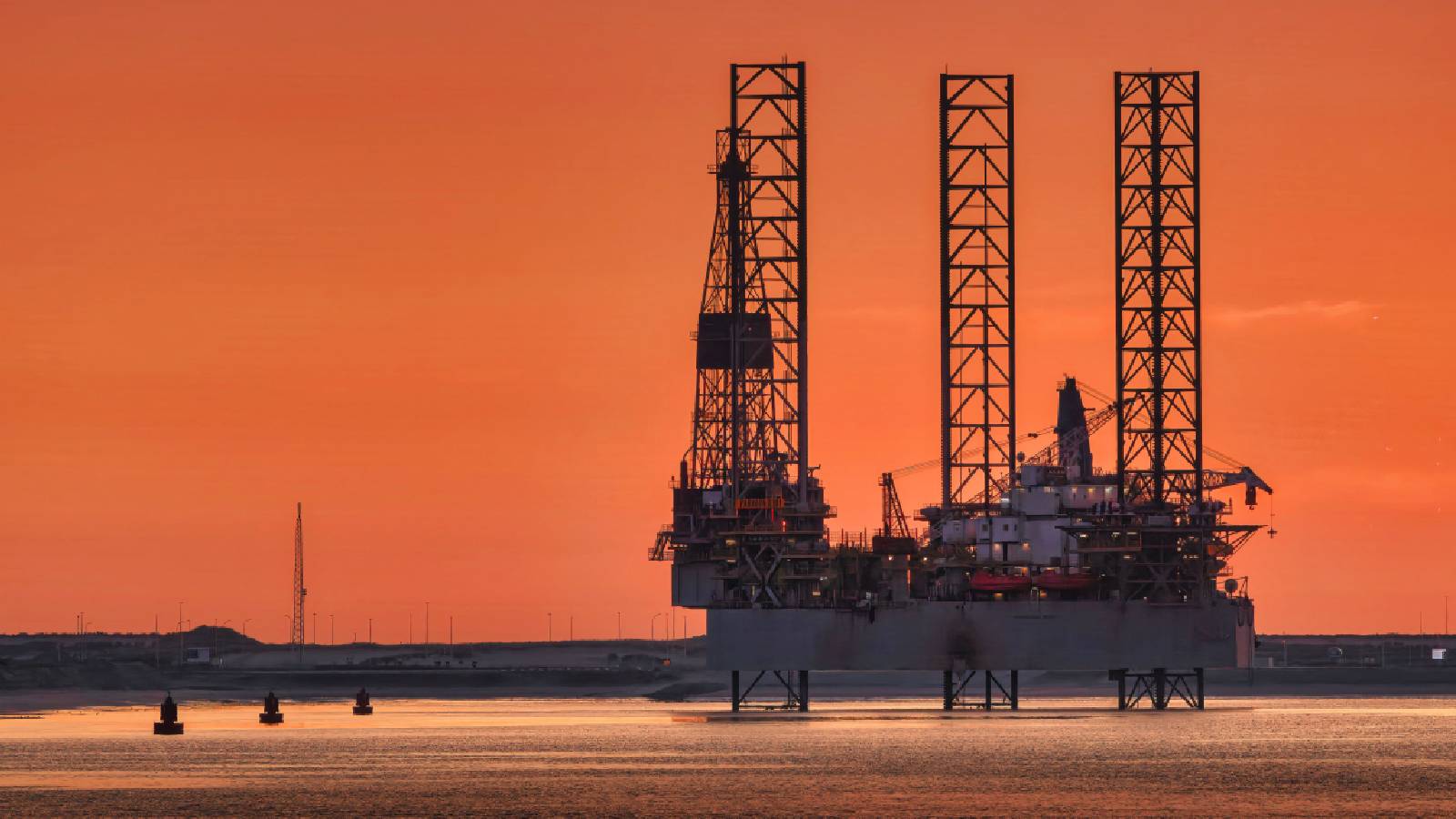
The legislation gives the president broad authority to impose tariffs of up to 100% on the top five importers of Russian oil or natural gas. The provision has drawn opposition from some lawmakers, who have raised concerns about giving the president wide discretion over trade policy and its potential impact on global markets.
The legislation represents the most significant US effort to pressure Russia economically since Trump returned to the White House and would end nearly two years of congressional gridlock on the issue following a 2024 emergency aid package for Ukraine. Ukrainian President Volodymyr Zelenskyy has backed the legislation and appealed directly to senators ahead of its passage in the Senate last month.
Russia has strongly opposed the proposed sanctions, arguing that measures targeting its energy exports could affect its position in global markets.
The bill would sanction Russian officials and banks, as well as a shadow fleet of tankers used to transport Russian energy. It would also direct Trump to impose tariffs of up to 100% on the top five importers of Russian oil or natural gas, with an exception for countries that import less than 15% of Russia’s natural gas exports and have taken significant steps to reduce those imports.
“These countries have a choice to make about whether they will continue to sustain Putin’s aggression,” said Rep. Michael McCaul, R-Texas.
For India, the legislation presents a potential challenge on two fronts. New US trade measures could put pressure on its economic relationship with Washington, while any disruption to Russian oil purchases could affect its long-standing energy relationship with Moscow.