

Islamabad: Pakistan government is considering a series of measures, including a possible smart lockdown, to curtail petroleum consumption following the recent rise in fuel prices in the wake of tension in West Asia.
Prime Minister Shehbaz Sharif has chaired a meeting to review proposals aimed at cutting transport-related fuel use, with several options under consideration for both government and private sectors.
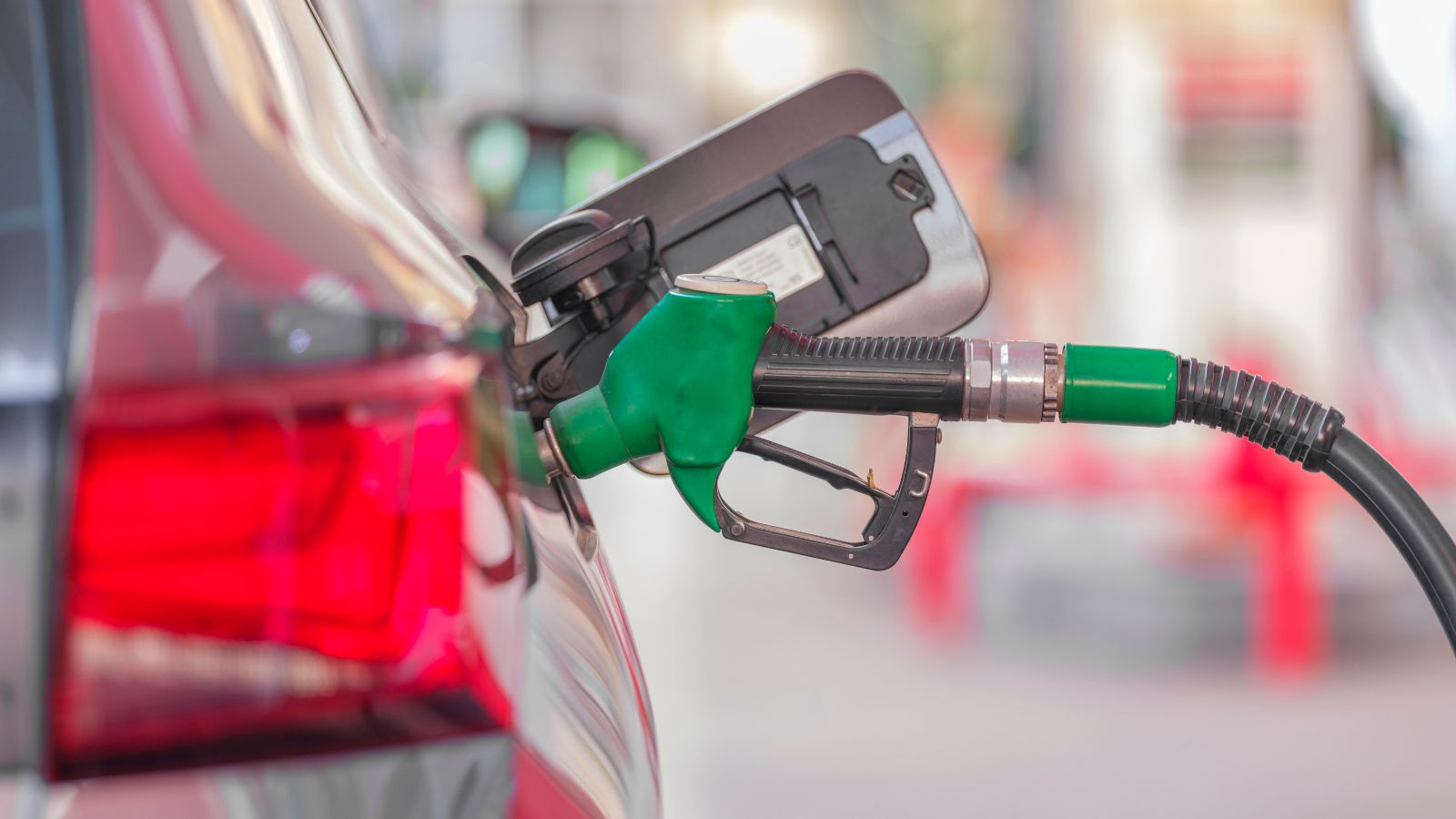
The government increased the price of petrol by Rs 4.10 per litre and that of high-speed diesel (HSD) by Rs 6.41 per litre on Tuesday night, raising petrol to Rs 384.34 per litre and HSD to Rs 415.83 per litre, according to an overnight notification by the Petroleum Division.
The increase coincided with top government officials issuing warnings about disruptions in oil supplies due to the deteriorating security situation of the Hormuz and Bab El-Mandeb straits.
Rising tensions in West Asia have pushed global oil prices higher, while attacks on Saudi energy infrastructure have raised concerns over global fuel supplies. Saudi Arabia also shut down its East-West oil pipeline after the vital conduit came under aerial attack.
Energy Minister Awais Leghari and Climate Change Minister Musadik Malik, at a press conference on Tuesday, highlighted how skyrocketing prices on the international oil market were testing the government’s ability to absorb such price shocks.
Dawn reported that Malik linked the recent increase in fuel prices to the upward movement in international crude oil prices, and the government tried to absorb part of it through the PM’s Fuel Relief Scheme.
Under the scheme, motorcyclists would receive five litres of subsidised petrol every week, while car owners would be entitled to 10 litres every 10 days.
He conceded that the relief being provided was still insufficient to fully offset the impact of high fuel prices, but maintained that this burden was the most the national economy could currently absorb.
Leghari highlighted the supply-side problems but added that despite fuel shortages, Pakistan was able to keep its power plants whirring thanks to maximum utilisation of domestic resources.
In August 2026, 72 per cent of total electricity generation was sourced from domestic resources, including hydel (38pc), local coal (11pc), nuclear (10pc), local gas (7pc), wind (6pc) and solar energy (1pc), while only 28pc came from imported coal and RLNG, he said.
As the prices spiral up, the government is chalking out options to reduce consumption, including a smart lockdown as it did during the peak of the US-Iran war by introducing four-day work and early closure of markets.
Information Minister Atta Tarar the other day said that austerity measures could be reintroduced. Such measures in the past included early closure of markets, which is disliked by the business community.
But Musadik Malik rejected the speculation about a lockdown by saying that no discussions about smart lockdowns had taken place.
Separately, the National Steering Committee on Fuel Subsidy — chaired by Deputy Prime Minister Ishaq Dar — ordered that payments to fuel stations under the PM’s scheme be processed within 24 hours.
The government has also announced plans to increase the fuel subsidy scheme to provinces after testing the pilot in Islamabad.
The government is also under pressure due to fear of popular protest championed by the right-wing Jamaat-i-Islami (JI) party, which has threatened countrywide demonstrations next week if the prices are not reduced.
To cope with the crisis, the government introduced a daily petroleum pricing mechanism in July, replacing the previous weekly system, as global oil prices became increasingly volatile amid geopolitical tensions.