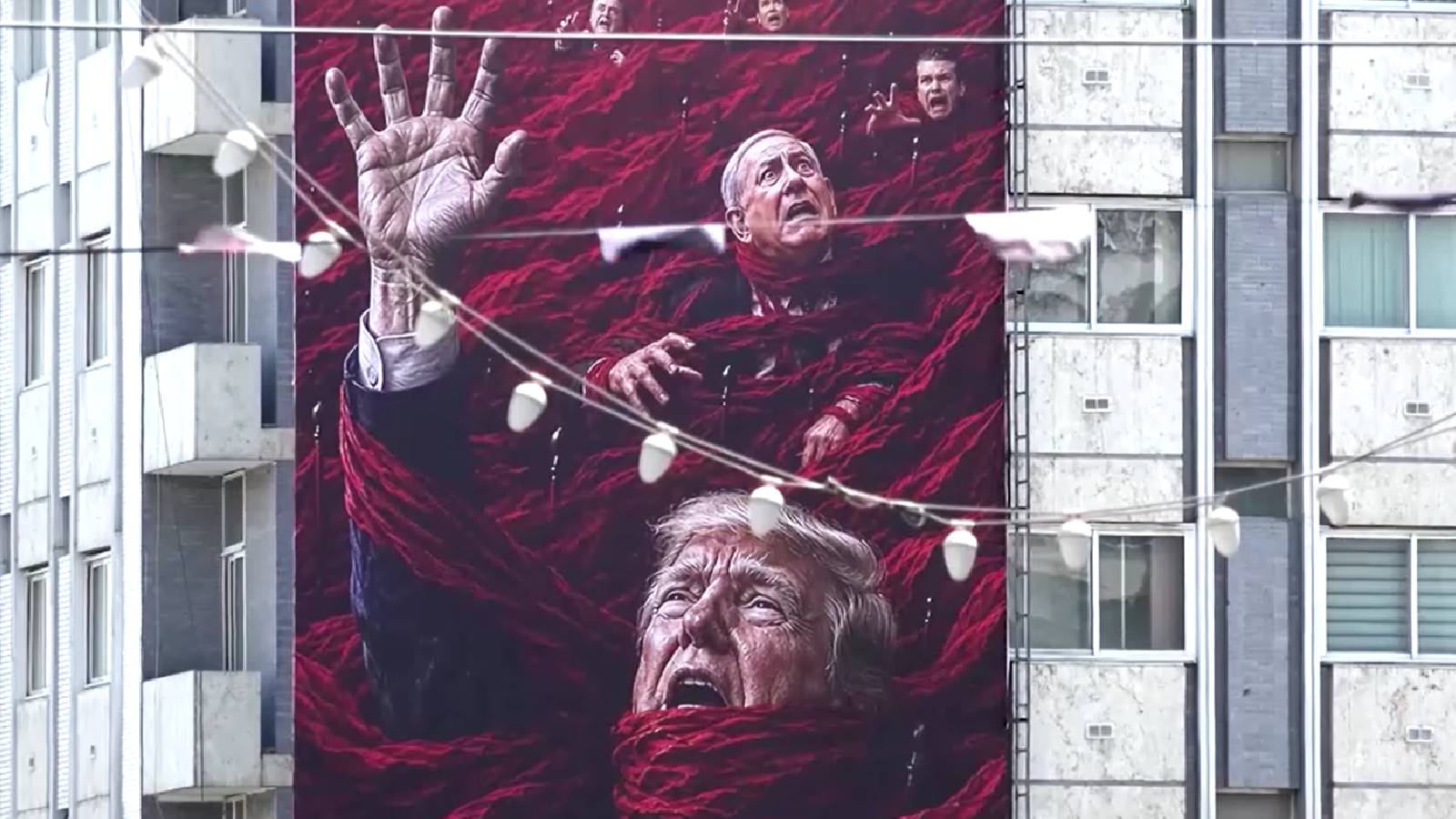


During the US-Israeli war in Iran, which approaches six months old on Friday, Tehran has displayed numerous anti-Trump banners across Tehran.
Some have called for revenge while others have called for the death of US President Donald and his allies.
In July, billboards depicted Trump lying in an open coffin. The displays carried slogans in English and Farsi, including the phrase "We kill Trump," and were positioned on city thoroughfares and building facades.
As the anniversary nears, the two sides were not exchanging fire but also not pursuing peace talks. All the while, oil shipments through the Strait of Hormuz have virtually halted as Tehran clings to its leverage by threatening to strike any unauthorized oil tankers that attempt to transit the narrow waterway.
US attacks have severely diminished Iran's economy and devastated its navy and air force, but Tehran maintains enough missile and drone capability to impede oil tanker traffic and attack regional rivals.
Trump, meanwhile, has yet to achieve objectives he set at the start of the war such as dismantling Iran's nuclear program - the state of which remains uncertain given that UN inspectors have been shut out since 2025 - and creating conditions for Iranians to overthrow their clerical rulers.
Thousands have been killed, including 168 Iranian school children on the first day of the war. The US has reported more than 750 military personnel wounded and 18 killed.
Diplomatic efforts have so far produced only temporary openings. Iran and Oman have been negotiating a mechanism for limited shipping through the strait, with Tehran proposing routes that would partly pass through Iranian-controlled waters.
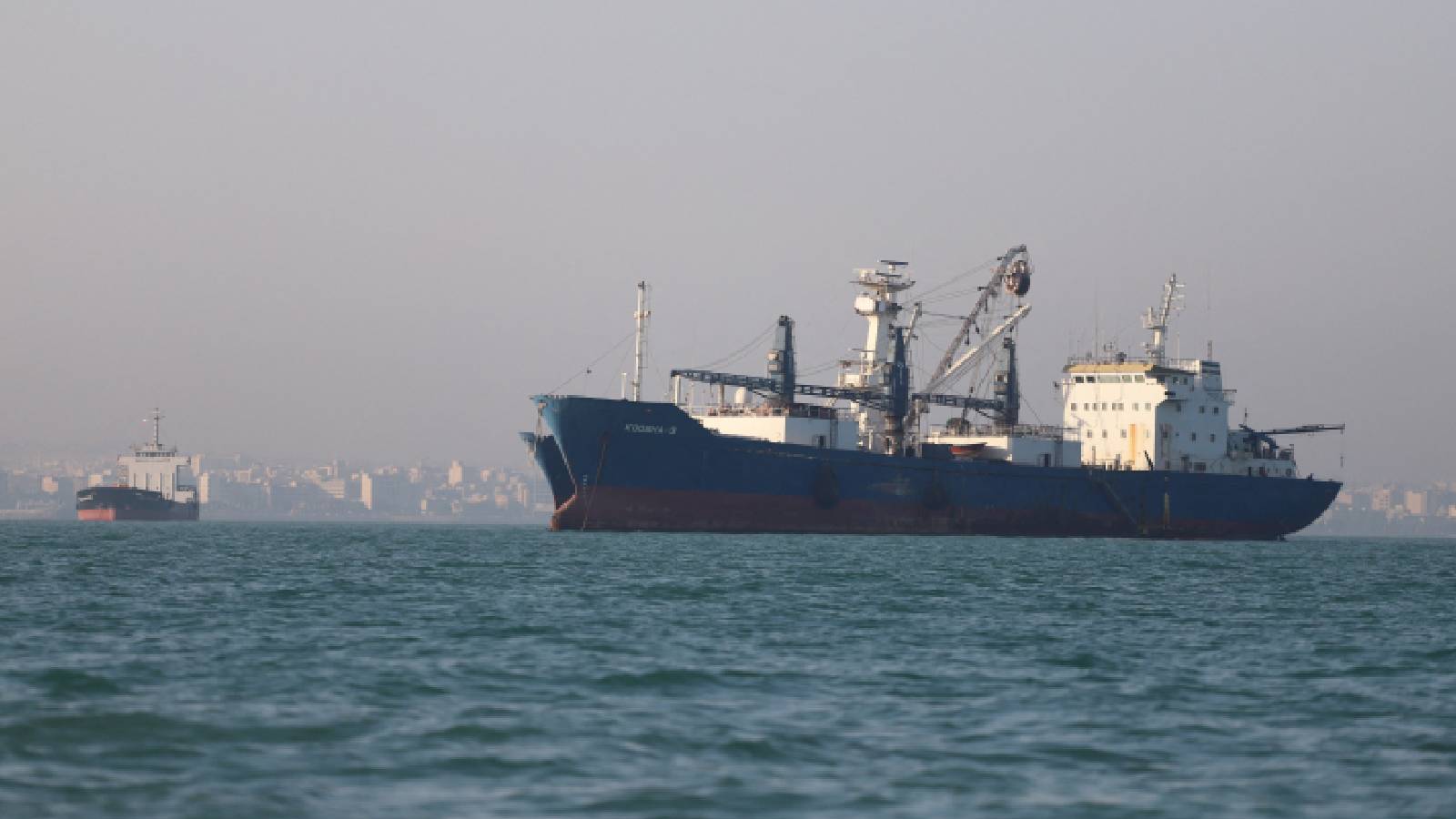
Meanwhile, Washington has continued to apply economic and military pressure. Trump has threatened countries that provide Tehran with economic support, while Iran has warned that states assisting the United States could themselves become targets.
Also Read:
By August, Iran was negotiating with Oman over a possible temporary shipping route. But Tehran made clear that a temporary route would not necessarily mean a full reopening of the Strait.
And Washington continued to apply pressure.
US President Donald Trump has repeatedly demanded that the waterway remain open, while warning Iran and countries involved in negotiations that the United States would respond forcefully if shipping was threatened.
The rhetoric reached a new level on August 21, when Trump said he viewed the Strait of Hormuz as "an American territory right now".