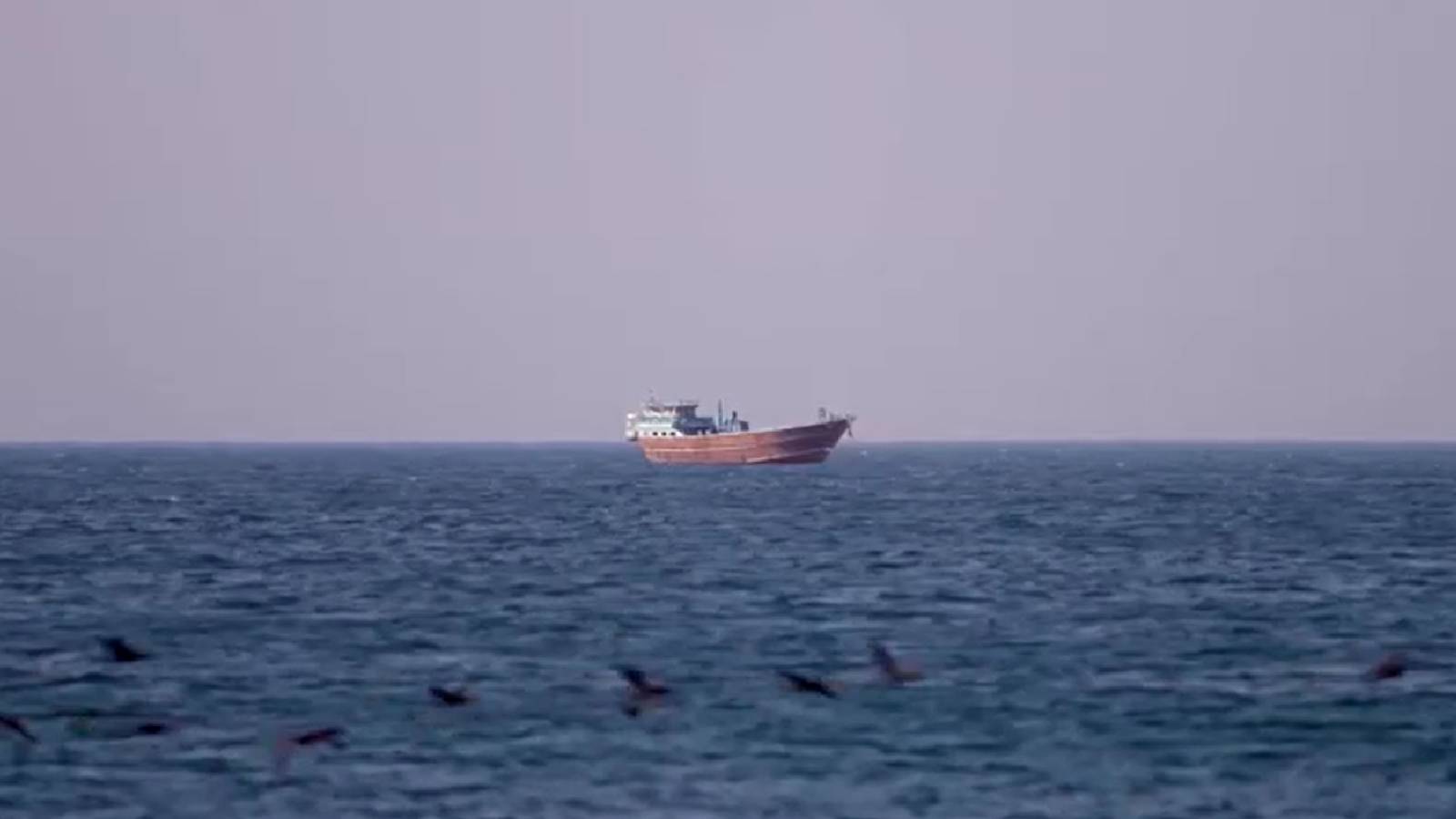


Washington: Nearly 40 oil tankers carrying around 16 million barrels of crude oil passed through the Strait of Hormuz via the southern shipping route on Friday night, US media reported on Saturday, citing three US officials, even as tensions between Washington and Tehran continued to escalate over the strategic waterway.
The movement of the tankers came amid competing claims over control of the strait, one of the world's most critical energy chokepoints.
Iran's navy commander, Shahram Irani, claimed that areas east of the Strait of Hormuz and the Gulf of Oman—the gateway to the strait and the Persian Gulf—were under complete Iranian control.
Speaking at a ceremony commemorating navy martyrs in Nowshahr, Irani warned that the Iranian armed forces would soon "teach the enemy a great, historic and unforgettable lesson at sea."
He also said Iran was monitoring all movements of "trans-regional enemies" around the clock.
On Saturday, senior Iranian security official Mohsen Rezaei reiterated that the Strait of Hormuz would remain closed unless the United States fulfilled its commitments under the Iran-US peace memorandum of understanding signed in June.
Rezaei said Washington "must act first this time" and warned that Iran would target any US movement along the southern shipping route, as well as meetings involving the United States and anti-Iran groups in the region.
He also said talks with Oman on an alternative shipping route through the strait were progressing smoothly and expressed confidence that an agreement would eventually be reached.
The latest exchange comes as tensions in the Strait of Hormuz continue to rise after US President Donald Trump declared the strategic waterway American territory.
The Strait of Hormuz is one of the world's busiest oil transit routes, with a significant share of global crude exports passing through the narrow channel linking the Persian Gulf with the Gulf of Oman and the Arabian Sea.