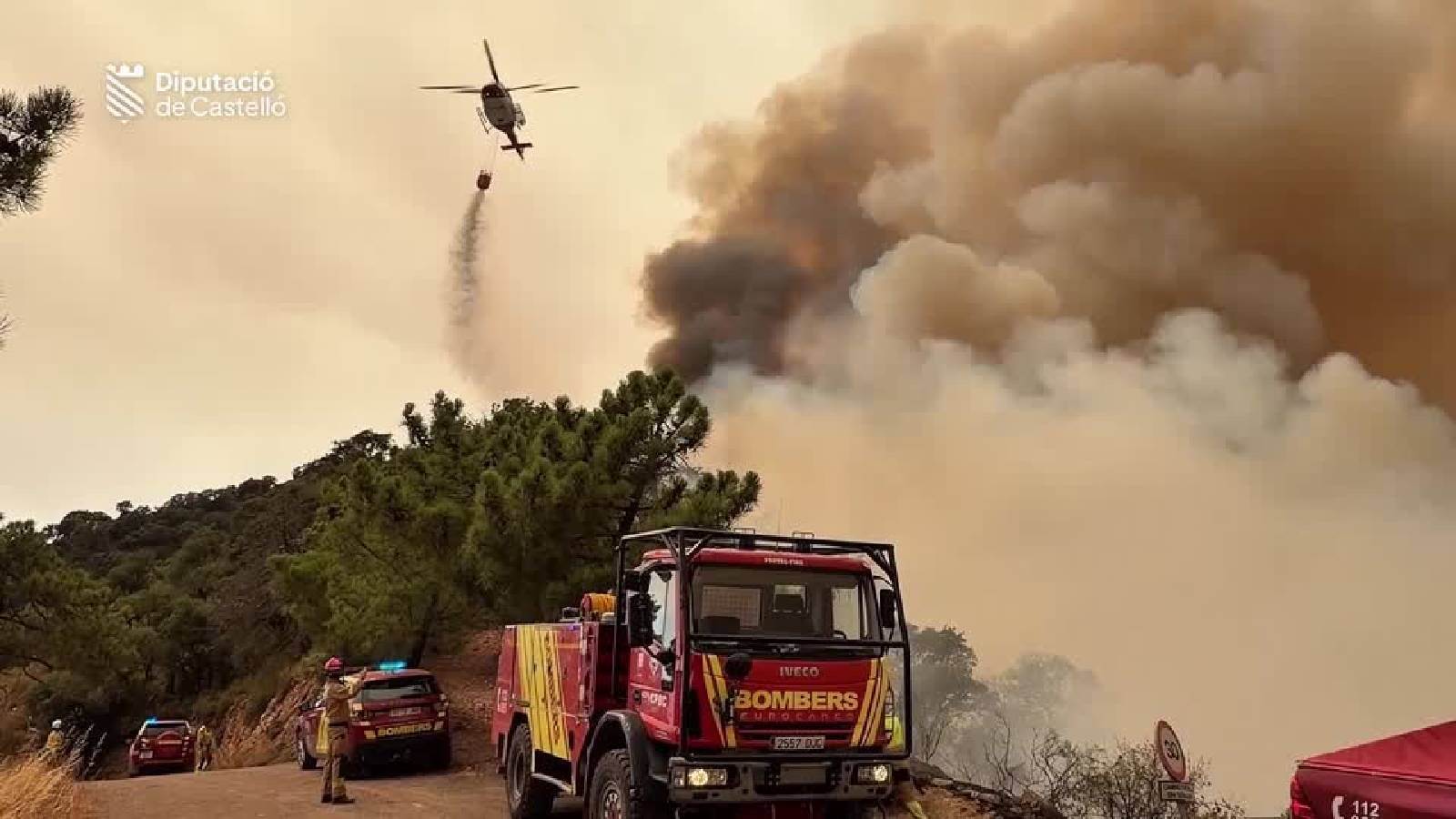


Avila, Spain: Firefighters in Spain are working to contain the country's record-breaking wildfires as cooler weather and lighter winds offer a brief window to control the blazes, but forecasters warn that a new heatwave and stronger gusts are already on the way.
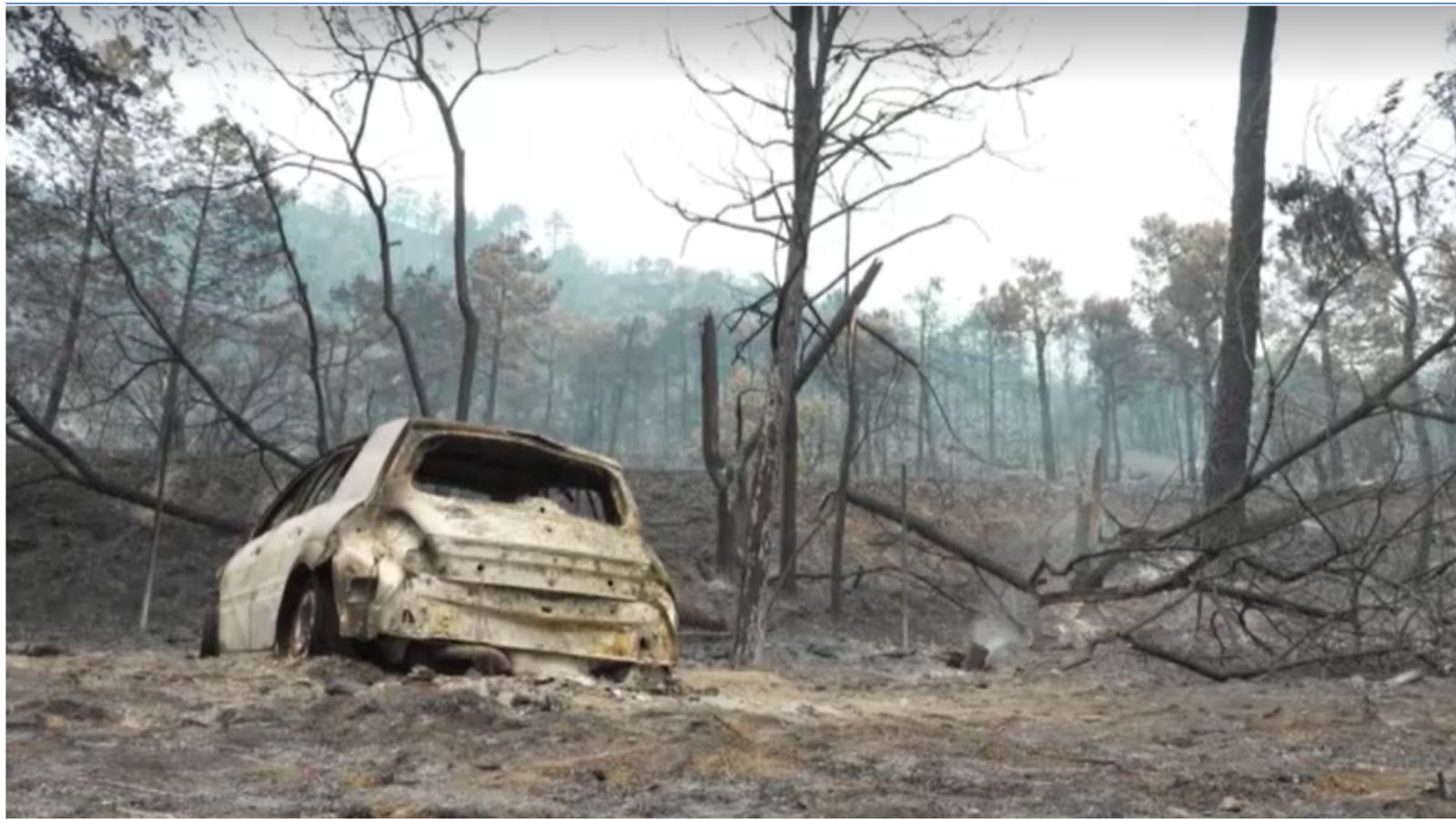
The most destructive fire on record in Spain has destroyed dozens of homes in Burguillos, Avila.
"We saw it coming since Wednesday, but they did nothing, they didn't come and put it out. The wind was fierce, so strong. Then suddenly, at four pm on Thursday the flames were all around us and we were out of here in three minutes, a hair's breadth from the fire, we only just escaped," said Nacho Aguinaga, a neighbourhood community leader.
This popular family destination now serves as a staging ground for firefighting aircraft refilling their tanks. It is normally bustling with camps and watersports. Nearby, a camping area is still smouldering.
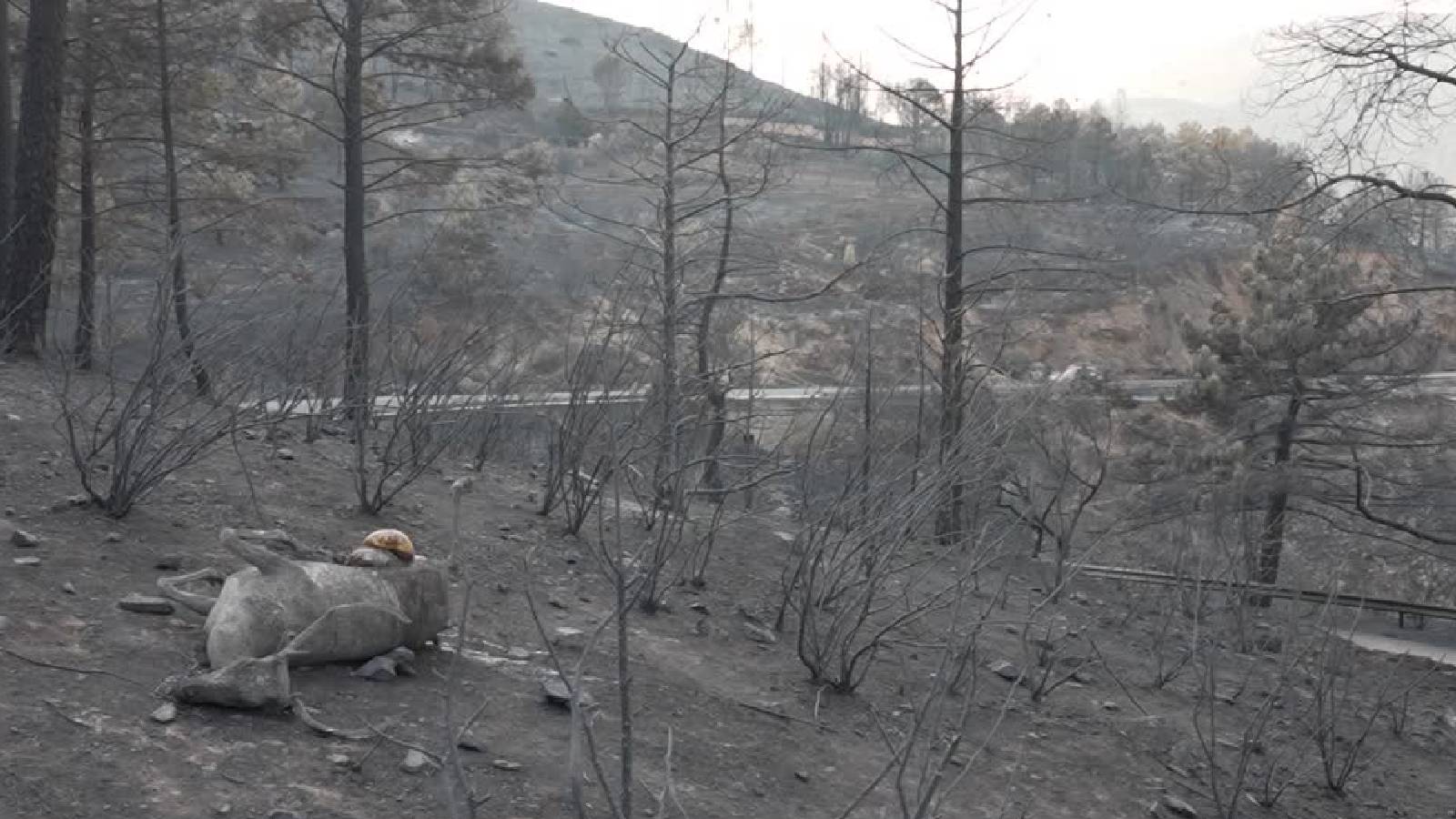
All residents made it out safely. But behind the human relief lies an environmental tragedy - the loss of biodiversity has been catastrophic.
"The other side of the reservoir is the Iruelas Nature Reserve. There are native roe deer, wild boar, and there's a protected area for vultures higher up. The deer were dead on the road, we had to drive around them. It's a horror story, just horrible," said Aguinaga.
Spain is enduring one of its most destructive wildfire seasons in recent years. Official data from Spain's Ministry for the Ecological Transition show that as of July 24, wildfires have burned more than 172,000 hectares nationwide -- six times the area burned during the same period in 2025.
The government has declared a national emergency over the fires.
The Madrid region, Avila and Toledo have been the hardest-hit areas, with nearly 100,000 people evacuated or ordered to remain indoors across 46 municipalities, according to the latest official figures. The Avila blaze is now Spain's most extensive wildfire on record, burning approximately 50,000 hectares, roughly five times the area of Barcelona.
Authorities have deployed thousands of firefighters, soldiers, police officers and civil protection personnel across the affected areas.