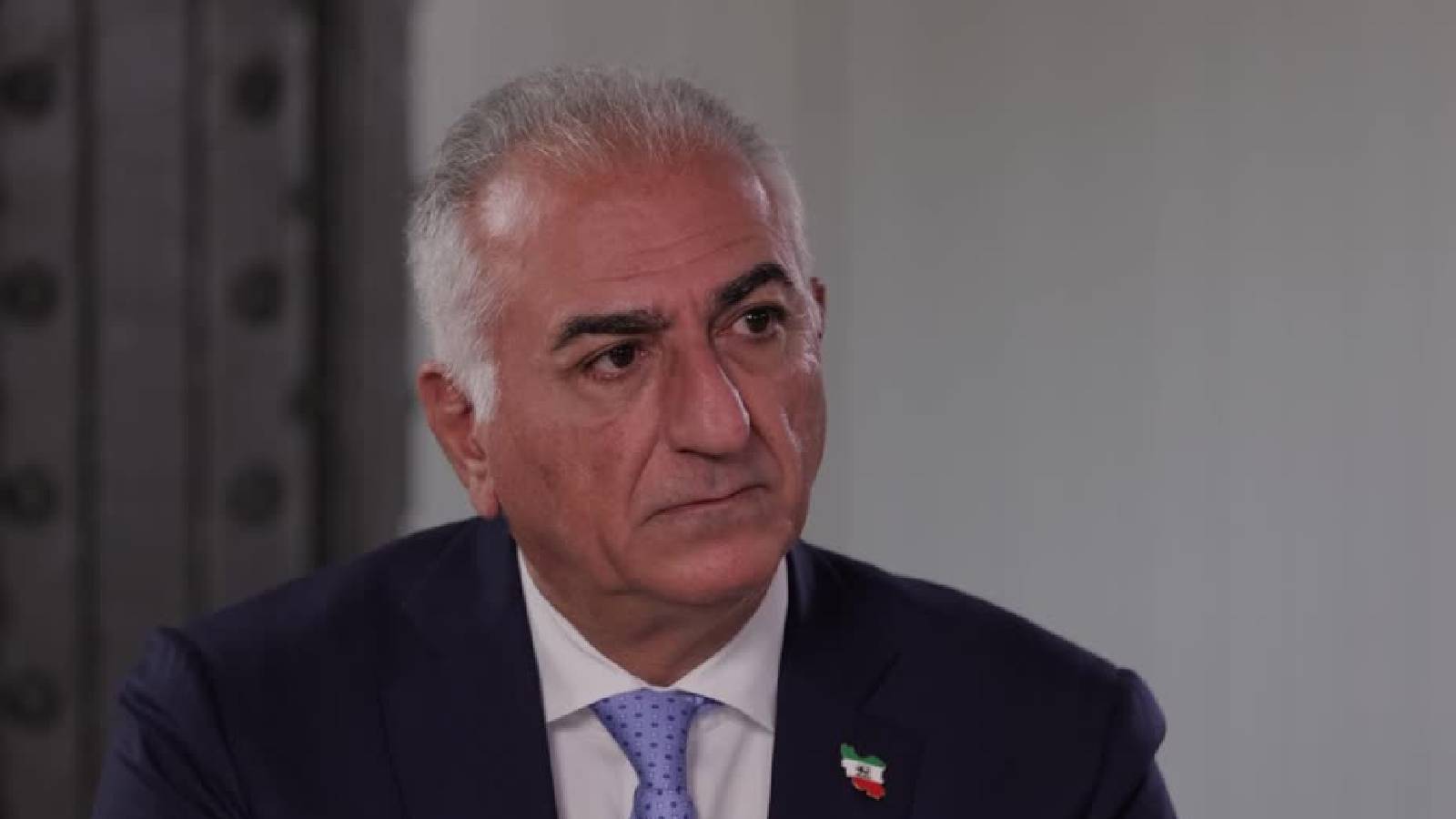


As the U.S. and Israel went to war on Iran this year, a transformative moment seemed to have arrived for Reza Pahlavi, son of the autocratic shah who was overthrown in 1979.
Despite not having set foot in Iran in almost half a century, Pahlavi had been actively campaigning in the US and Europe, giving speeches about a bright new future for his homeland, raising money and meeting elected officials.
“The Iranian people have called on me to lead the transition after the regime is gone,” he declared on the social-media platform X shortly after the war began in late February. “I have accepted that responsibility.”
In Texas this March, Pahlavi received one of the most enthusiastic receptions at the Conservative Political Action Conference.
As he took the stage, staunch supporters of President Donald Trump and a large contingent of Iranian Americans, many draped in the pre-revolution Iranian flag that flew during his father’s rule, lavished him with a 45‑second standing ovation.
Four days later, Trump horrified many Iranian emigres by declaring in a social-media post: “we are blasting Iran into oblivion or, as they say, back to the Stone Ages!!!”
To the shock of some of Pahlavi’s Iranian-American financial supporters – one of whom said the donors had recently given his campaign more than $3 million in the hope he could lead a new, transitional government in Iran – the exiled prince didn’t swiftly condemn Trump’s remarks.
Now, Pahlavi’s triumphant appearance at CPAC appears to mark the apex of his rise as the most visible candidate vying to step in should the hardline Islamic government fall. Although he continues to campaign, his candidacy has sputtered.
In mid-January, Trump told Reuters that Pahlavi “seems very nice, but I don't know how he'd play within his own country." And behind the scenes his administration sidelined the prince. As Iranian-American human rights activist Ahmad Batebi prepared to address a January 15 United Nations Security Council meeting on Tehran’s bloody crackdown on protests earlier that month, US Ambassador to the UN Mike Waltz personally urged him not to mention Pahlavi by name, according to two people familiar with the exchange. Although Batebi supports Pahlavi, he complied.
In a statement, Waltz told Reuters he suggested “a tight focus” on Batebi’s own experience of torture in Iranian prisons and “the barbarism of the regime” would make “the greatest impact, rather than opposition politics.”
In June, the tattered ceasefire pact signed by the U.S. and Iran made no mention of regime change. Instead, the US agreed to respect Iran’s sovereignty and refrain from interfering in its internal affairs — and publicly dismissed Pahlavi again.
“The President of the United States never said that his goal was to install Reza Pahlavi to become the new leader of Iran,” US Vice President JD Vance told podcaster Megyn Kelly after Trump announced the US-Iran memorandum of understanding on June 14. Pahlavi and his top aides were left to blast the agreement on social media.
Meanwhile, some of Pahlavi’s financial backers, who communicate in a private WhatsApp group, have grown disillusioned not just by his muted criticism of Trump’s extreme wartime threats. In private calls, according to three people familiar with the matter, Pahlavi listened to but ultimately ignored their advice to try harder to unify the opposition and to forcefully condemn some of his more radical supporters’ violence against and harassment of other Iranian dissidents. There is no evidence that Pahlavi had anything to do with those incidents.
Pahlavi's faltering leadership bid highlights one of the major flaws in the US-Israeli war on Iran: the lack of a clear alternative to the Islamic Republic. Shortly after the bombing began in late February, Trump called for the Iranian people to rise up and take over their government.
But despite an air strike that killed the Supreme Leader, Ayatollah Ali Khamenei, the government has survived the onslaught — and in the view of many Iran watchers, has tightened its hold on power.