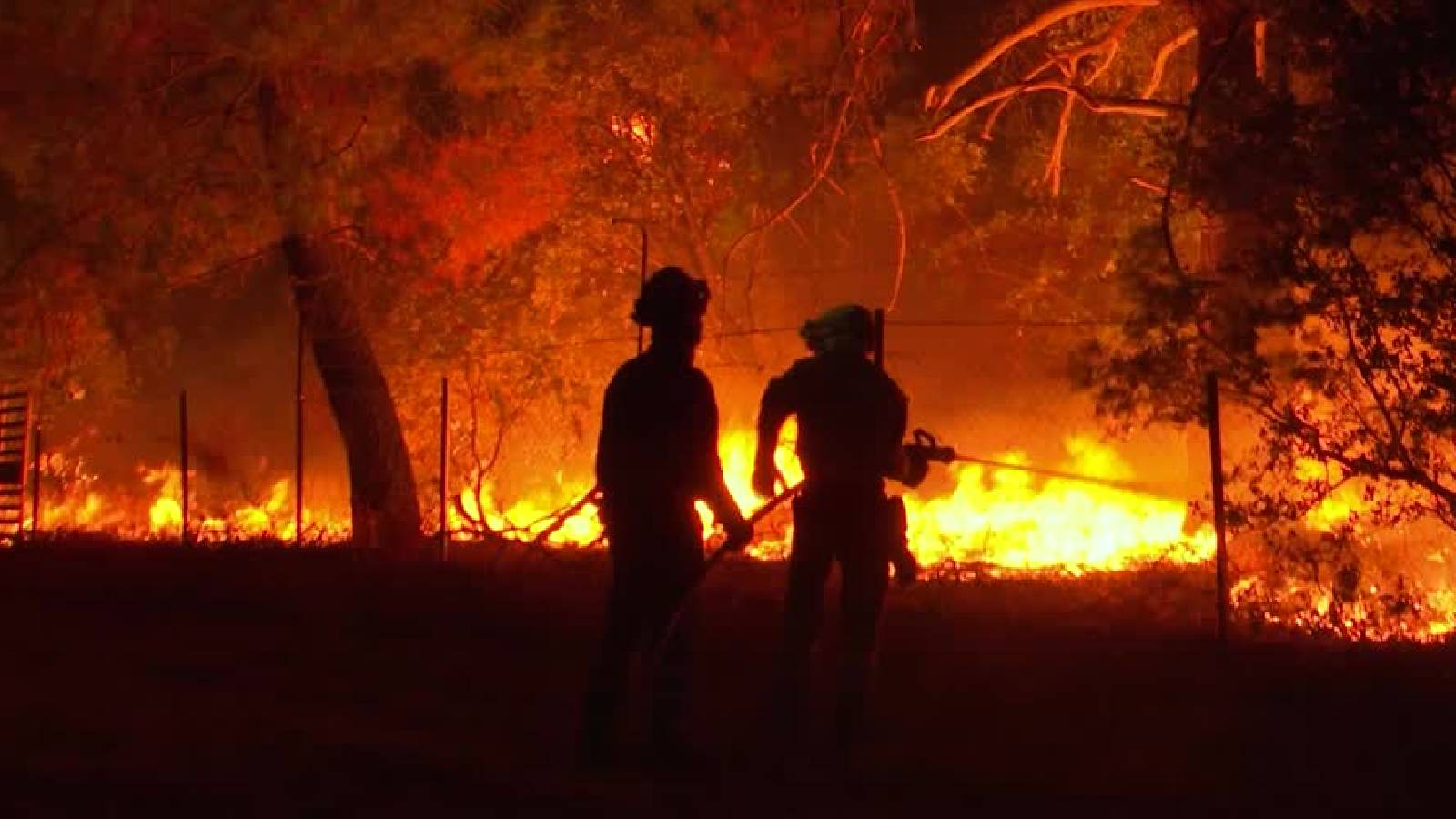


Spain and France continue to battle devastating wildfires, with flames threatening major population centres as authorities warn of worsening climate-driven fire risks.
Drone footage released by Spain's Guardia Civil on Monday showed a wildfire spreading onto a highway in the municipality of Sotillo de la Adrada overnight. Emergency responders were forced to retreat as flames swept dangerously close to the road.
In central Spain, three major wildfire fronts remain active in the mountains northwest of Madrid. Authorities estimate that a combined 77,000 hectares have been burned across the provinces of Madrid, Toledo and Ávila, with the blaze in Ávila now classified as the largest wildfire in modern Spanish history.
Prime Minister Pedro Sánchez warned that the fires reflect the growing impact of the climate emergency.
"It is the most painful expression of a climate emergency that is making sixth-generation wildfires more voracious, heatwaves more frequent, and, as a result, our territory more vulnerable," he said.
So-called sixth-generation wildfires are the most extreme category of forest fires. They are capable of generating their own weather systems, spreading rapidly and destroying thousands of hectares in a matter of hours. Many scientists link the increasing frequency of such fires and prolonged heatwaves to human-driven climate change.
According to government data, wildfires have burned more than 150,000 hectares across Spain so far in 2026.
Meanwhile, in neighbouring France, firefighters are taking advantage of improved weather conditions to contain massive wildfires threatening the city and wine-producing region of Bordeaux.
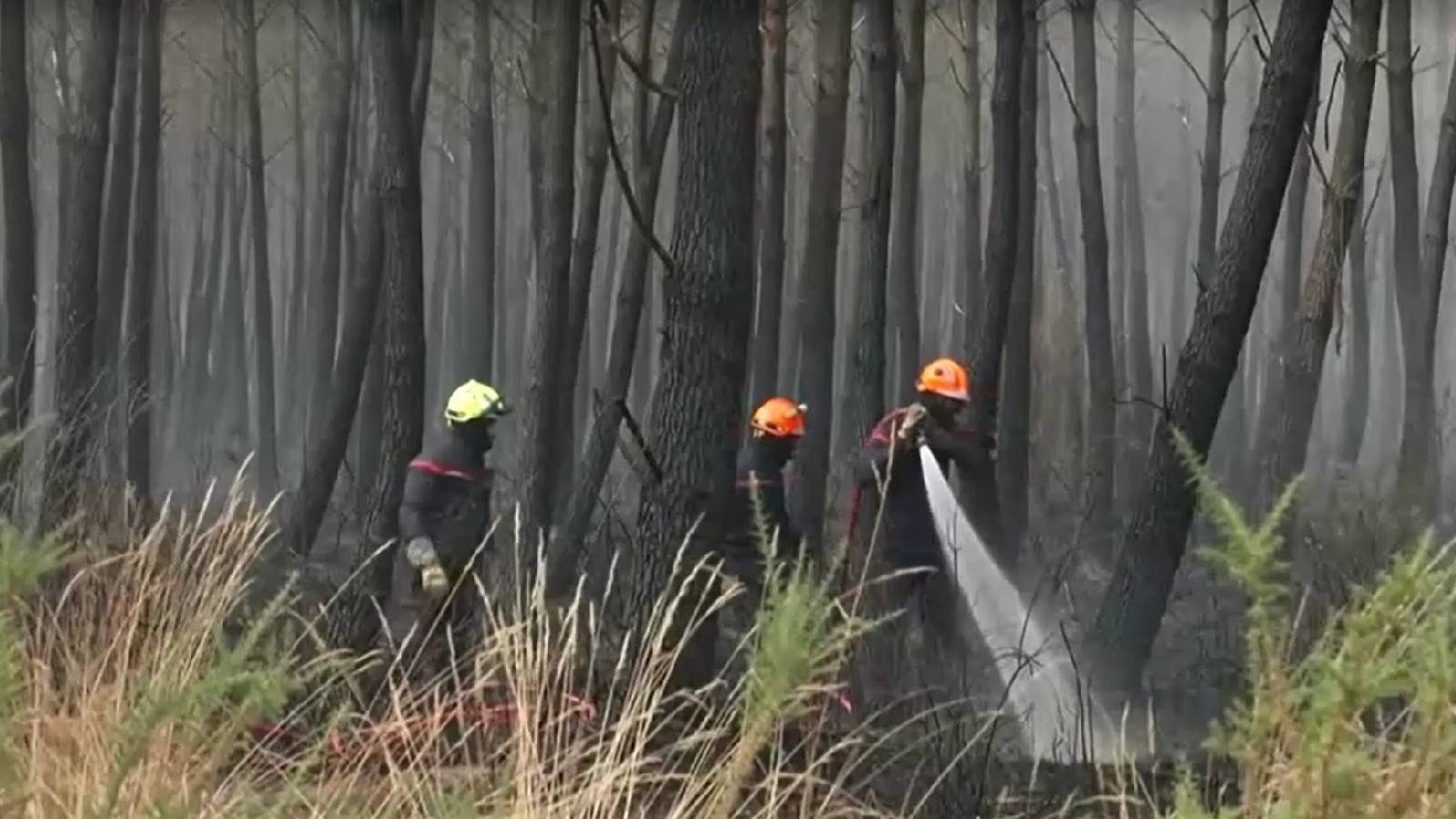
The fires, which broke out near France's Atlantic coast last week, have already scorched more than 40,000 hectares of land and are now just 15 kilometres from the main metropolitan area of Bordeaux.
Residents expressed growing concern as emergency crews continued efforts to prevent the flames from reaching the city, with authorities closely monitoring the situation amid fears that changing weather conditions could further complicate firefighting operations.