

Islamabad: Pakistan on Thursday vowed "swift" retaliation against any hostile act targeting vessels carrying its flag or its maritime interests in the Red Sea, warning that such attacks would be regarded as "grave threats" to its national security.
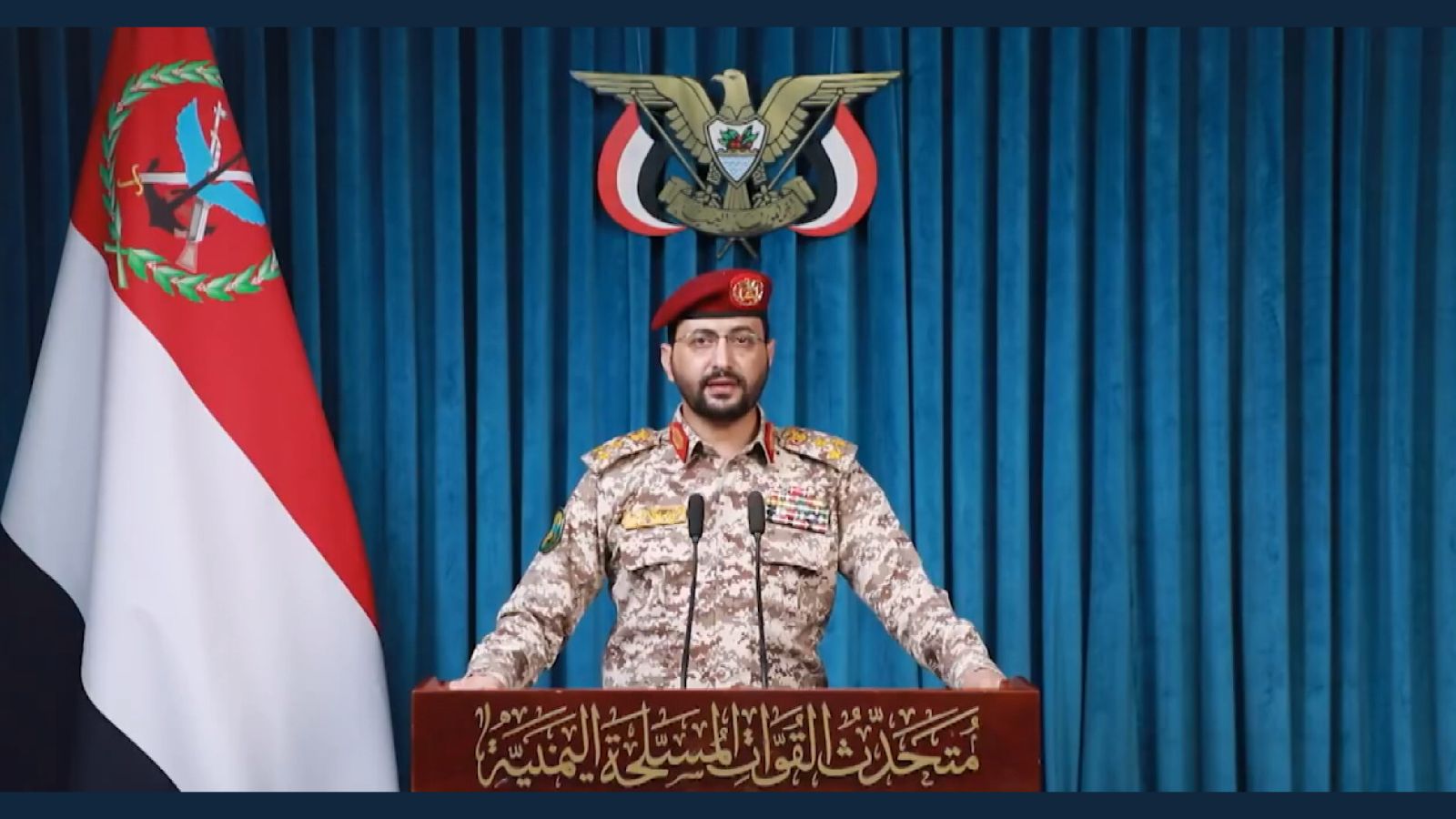
Foreign Office spokesperson Tahir Andrabi made the remarks during a weekly press briefing after Yemen's Iran-backed Houthi rebels attacked Saudi oil tankers in the Red Sea earlier in the day.
Also Read:
Andrabi said any attack on Pakistani-flagged vessels or Pakistani commercial ships would be "treated as an attack against Pakistan and will be swiftly retaliated" against.
Such a hostile act would be regarded as a grave threat to Pakistan's national security, he said, adding: "We will do so in our exercise of self-defence."
Pakistan has so far avoided being drawn into the armed conflict despite having a defence agreement with Saudi Arabia.
Andrabi "unequivocally" condemned the continued Houthi threats against Saudi Arabia and commercial shipping in the Red Sea, saying they endanger regional security, freedom of navigation and global trade.
He also reiterated Pakistan's commitment to implementing all bilateral agreements with Saudi Arabia, including those on mutual defence.
Commenting on the situation in the Gulf region, he reiterated Pakistan's call for all parties to exercise restraint, adding that Islamabad is continuing its diplomatic outreach in support of dialogue and diplomacy.
The Houthi rebels had earlier announced a maritime embargo against Saudi Arabia, saying they would block Saudi vessels in the Bab al-Mandab Strait in retaliation for what they described as Riyadh's blockade of ports and airports in Houthi-controlled areas of Yemen.
Separately, the Foreign Office spokesperson strongly rejected Amnesty International's latest report on Pakistan's strikes in Kabul. He said it was unfortunate that such serious allegations had been made without any credible evidence.
The spokesperson also expressed disappointment over the European Union's report on Pakistan's compliance under the Generalised Scheme of Preferences Plus (GSP+), which grants preferential access for Pakistan's textile exports to European markets.
He said the EU report "understates the breadth of reforms undertaken since Pakistan joined GSP+ in 2014" and "places disproportionate emphasis on the lower-than-desired progress in a few areas".