

The United States bombarded Iran again on Monday after announcing the death of another American service member, and Iran retaliated by launching attacks on American allies Kuwait, Jordan and Bahrain, home of the US Navy's 5th Fleet.
Even as the US and Iran inch closer to all-out war again, glimmers of hope appeared on the diplomatic front, as Iran's interior minister travelled to Pakistan, a key mediator in the conflict, for talks.
The interim deal signed last month that was meant to end the fighting has crumbled. Shipping through the Strait of Hormuz - a vital supply route for world energy supplies - has largely stalled. And as fighting intensifies, both sides have targeted civilian infrastructure relied on by millions of people.
A new potential threat to world energy markets emerged Monday after Iran-backed rebels in Yemen said they planned to prevent Saudi Arabia from shipping in the Red Sea, an alternate route for oil exports during the war.
The escalation has pushed oil prices higher in recent weeks. Benchmark Brent crude traded Monday above $88 a barrel and regular gasoline in the US climbed to an average of USD 4 a gallon, keeping pressure on Americans' wallets ahead of midterm elections this fall.
The US military identified two soldiers who were killed in Jordan in attacks that left a third person missing.
Separately, the military confirmed another death in Iraq on Saturday during the “controlled detonation” of a downed Iranian drone.
President Donald Trump took to social media on Monday to warn that “Every time Iran kills an American Soldier they will pay for that killing many times over!"
Trump was planning to attend a ceremony on Tuesday evening at Dover Air Force Base, where at least one service member's remains were due to arrive.
US launches ninth night of Iran strikes
The US military's Central Command said its ninth straight night of airstrikes targeted “Iranian military command centres, air defence and coastal surveillance sites, maritime capabilities, missile and drone launch sites and communications networks.”
Last week, the US struck bridges and a tower at an Iranian port.
Iran's state-run IRNA news agency reported that the American strikes killed at least one person around Tabriz, a northwestern city about 520 km from the capital, Tehran. Tabriz is believed to host underground missile bases run by Iran's paramilitary Revolutionary Guard.
US strikes likely also hit Bandar Imam Khomeini in Khuzestan province, Sirik and Jask in Hormozgan province and Konarak and Chahbahar in Sistan and Baluchistan province, IRNA reported.
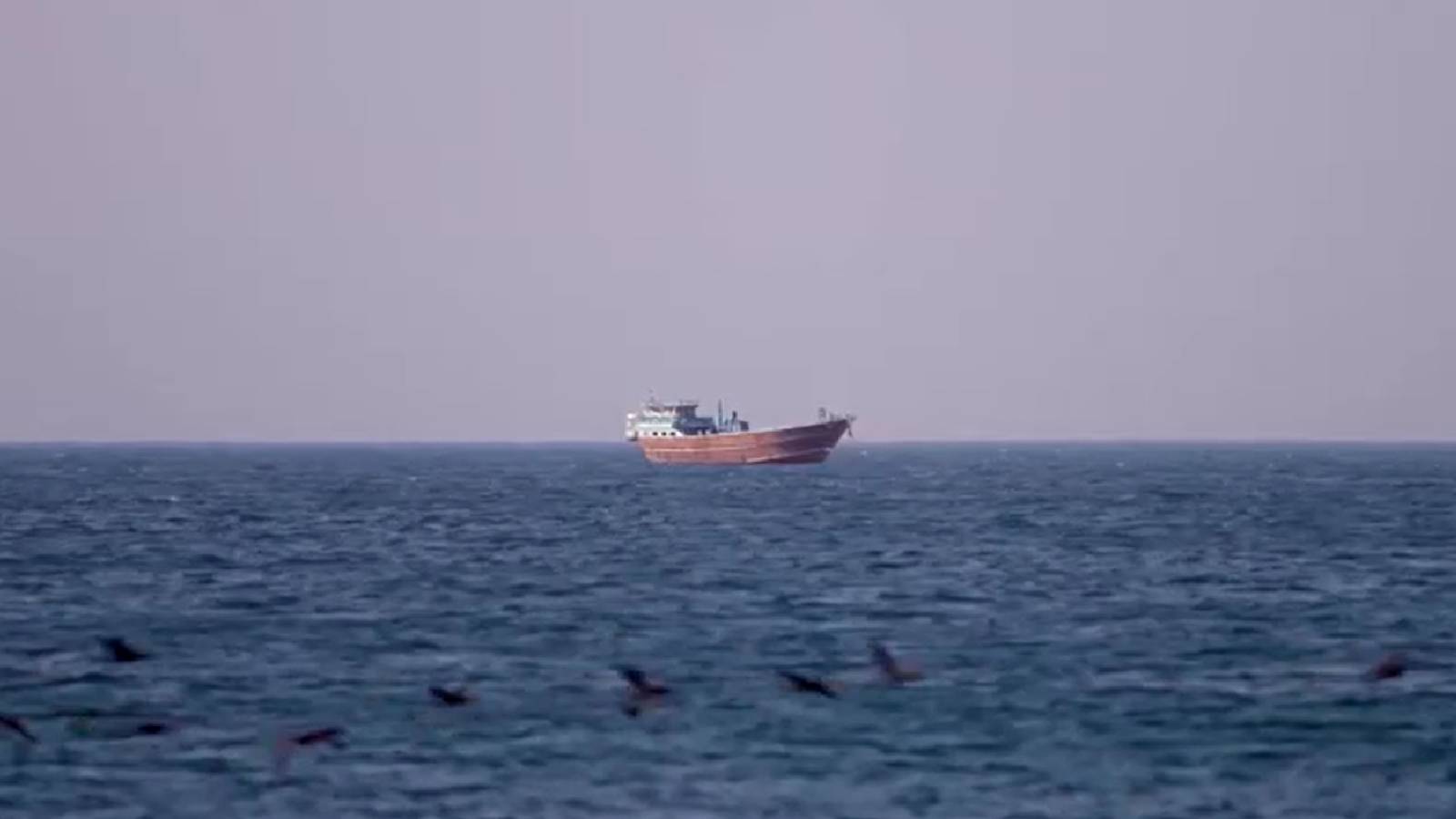
The British military's United Kingdom Maritime Trade Operations centre said Monday evening that a second ship had been attacked a day earlier in the Strait of Hormuz, this one off the coast of the United Arab Emirates.
The other vessel caught fire in the Strait of Hormuz after being hit by a projectile near the coastline of Oman. The crew abandoned the vessel, which was adrift and still ablaze hours later, the UKMTO said.
The route around Oman has been the one the US military has encouraged ships to travel to avoid Iran's control. The Guard later claimed it was targeting tankers in the strait.
Tehran also hit US-allied countries throughout the West Asia.
Kuwait said its air defences fired at an incoming barrage, and Jordan's armed forces said Monday evening they had shot down three Iranian missiles, adding that there had been no material damage or casualties. There was no immediate word from Iran.
Bahrain's Foreign Ministry condemned Iranian drone strikes targeting the country's air traffic systems, saying they endanger travel for civilians.