

Washington: The US is demanding that Iran make a public statement declaring the Strait of Hormuz open and assuring that ships passing through the vital waterway will no longer be attacked, senior US officials said on Friday, adding that internal power struggles in Tehran have made it difficult to reach and sustain a deal.
The US officials, who spoke on condition of anonymity to brief reporters on the state of negotiations with Iran, said the resumption of strikes this week came after what they described as a rogue faction of Iranian hardliners attempting to sabotage the ceasefire between Tehran and Washington.
The remarks came as US President Donald Trump reiterated on social media on Friday that he viewed the interim ceasefire agreement as "OVER!". However, he said the US would continue talks aimed at bringing a permanent end to the war.
The officials said Trump is giving US negotiators a limited time to reach an agreement with Iran. However, underscoring the challenges ahead, they said the president has a wide range of options if the talks collapse. They also said a power struggle is unfolding in Iran after US and Israeli strikes at the start of the war killed the country's longtime Supreme Leader, Ayatollah Ali Khamenei.
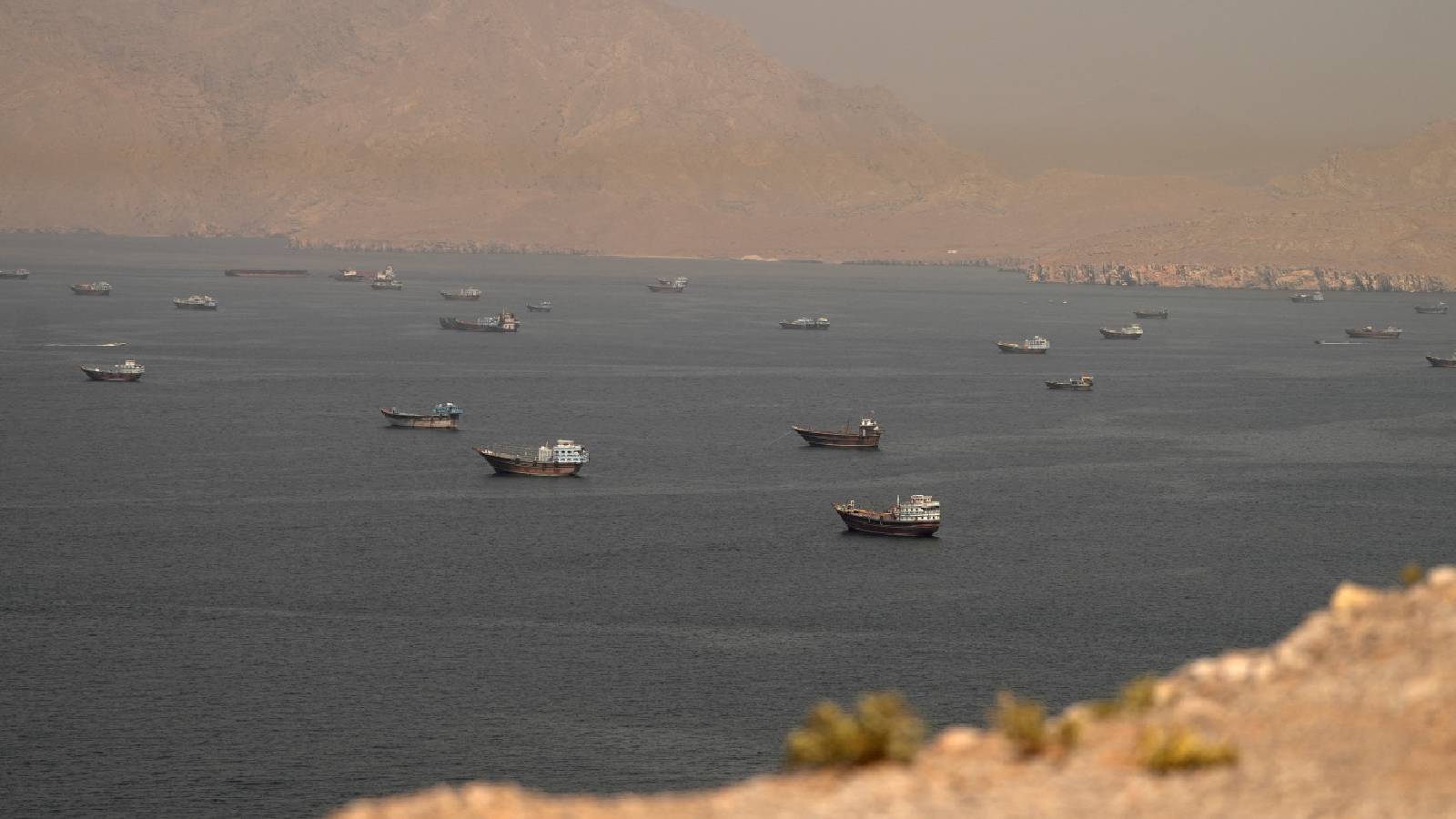
The US is pressing Iran to publicly declare that the Strait of Hormuz, a vital waterway for global energy markets, is open and safe for commercial shipping, the officials said.
However, shortly before the US officials spoke, Iran's ambassador to the United Nations told reporters that any activity in the Strait of Hormuz, including its reopening or demining operations, "rests exclusively with Iran".
"Any attempt by external actors to interfere with or establish a power arrangement would violate the (interim deal), undermine its implementation, delay the restoration of normal commercial navigation, jeopardise maritime safety, and increase regional tensions," Ambassador Amir Saeid Iravani said outside the UN Security Council.
Iran has maintained that the strait should remain under its sole control and that vessels should pay fees to Tehran, even though the international community has long regarded it as an international waterway. About one-fifth of the world's traded oil and natural gas passed through the strait before the war began.
Iran's control over the strait during the conflict triggered a global energy crisis, although oil prices have fallen sharply from wartime highs of USD 120 a barrel.
Unclaimed strikes after the US ends attacks
No one claimed responsibility on Friday for airstrikes that hit Iran after the US said it had concluded its military operations, leaving questions over who else may have targeted the Islamic Republic.
US Central Command spokesperson Captain Tim Hawkins said there were "no operational updates" following Trump's announcement regarding the ceasefire.
The Gulf Arab states, which Iran has repeatedly targeted since the war began on February 28, did not immediately respond to requests for comment on Friday regarding the strikes. Israel, which participated in the conflict, has also not claimed responsibility for any recent attacks on Iran.
The strikes on Thursday, just as Iran prepared to bury the late Supreme Leader Ayatollah Ali Khamenei, hit several areas across southern Iran. The country's leadership has not directly blamed anyone, although one lawmaker warned the United Arab Emirates over its alleged support for the US military campaign.
Iran responded to Thursday's strikes by launching a broader wave of attacks across West Asia, targeting Bahrain, Jordan, Kuwait and Qatar. One person was reportedly injured in Kuwait as air defence systems intercepted incoming missiles and drones across the region.
Mediators and allies regroup
Iranian Foreign Minister Abbas Araghchi is expected to discuss the Strait of Hormuz with his Omani counterpart during a meeting in Oman on Saturday, according to Iran's state-run IRNA news agency. Turkish Foreign Minister Hakan Fidan told state broadcaster TRT that he believed "a solution can be reached" this weekend between Iran and Oman, which lie on opposite sides of the narrow waterway.
The President of the United Arab Emirates, Sheikh Mohammed bin Zayed Al Nahyan, travelled to Kuwait immediately after the Iranian attack for talks with the country's ruling emir. Gulf Arab countries also held discussions with Qatar's foreign minister, who has played a key role, alongside Pakistan, in mediating Iran-US negotiations.
Pakistani Prime Minister Shehbaz Sharif said he separately spoke on Friday with Iranian President Masoud Pezeshkian and Qatar's Emir, Sheikh Tamim bin Hamad Al Thani, stressing to both leaders the need for restraint and diplomacy.
Israel's government said Prime Minister Benjamin Netanyahu spoke with Trump on Thursday night, during which the US president briefed him on "American moves in the Gulf".
Israeli Defence Minister Israel Katz also renewed his warning that Israel was prepared to confront Iran again if necessary.
"If we have to return, we will return with even greater force," Katz said during a military ceremony.
Iran maintains its stance
On Friday, Iranian state media quoted Esmail Kousari, a member of parliament's National Security Committee and a former commander of the Islamic Revolutionary Guard Corps, as warning that the UAE would "pay the price for its cooperation with the United States". He accused the Emirates of playing a "behind-the-scenes" role in the recent US attacks.
Meanwhile, Iran has continued to insist that it alone should control the Strait of Hormuz. The US, however, continues to advise commercial vessels to use a southern route through Oman's territorial waters to reduce the risk of confrontation with Iran.