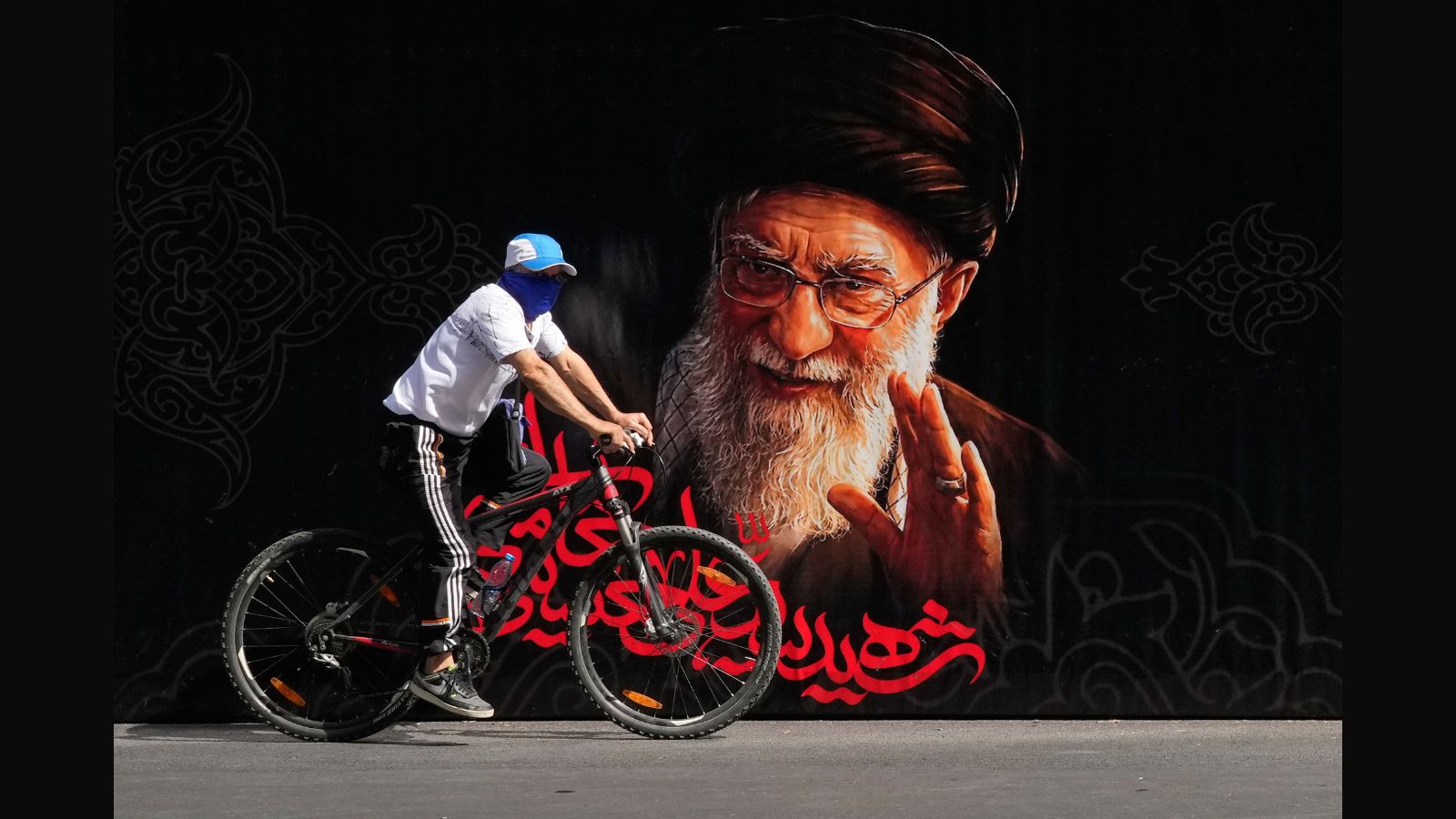


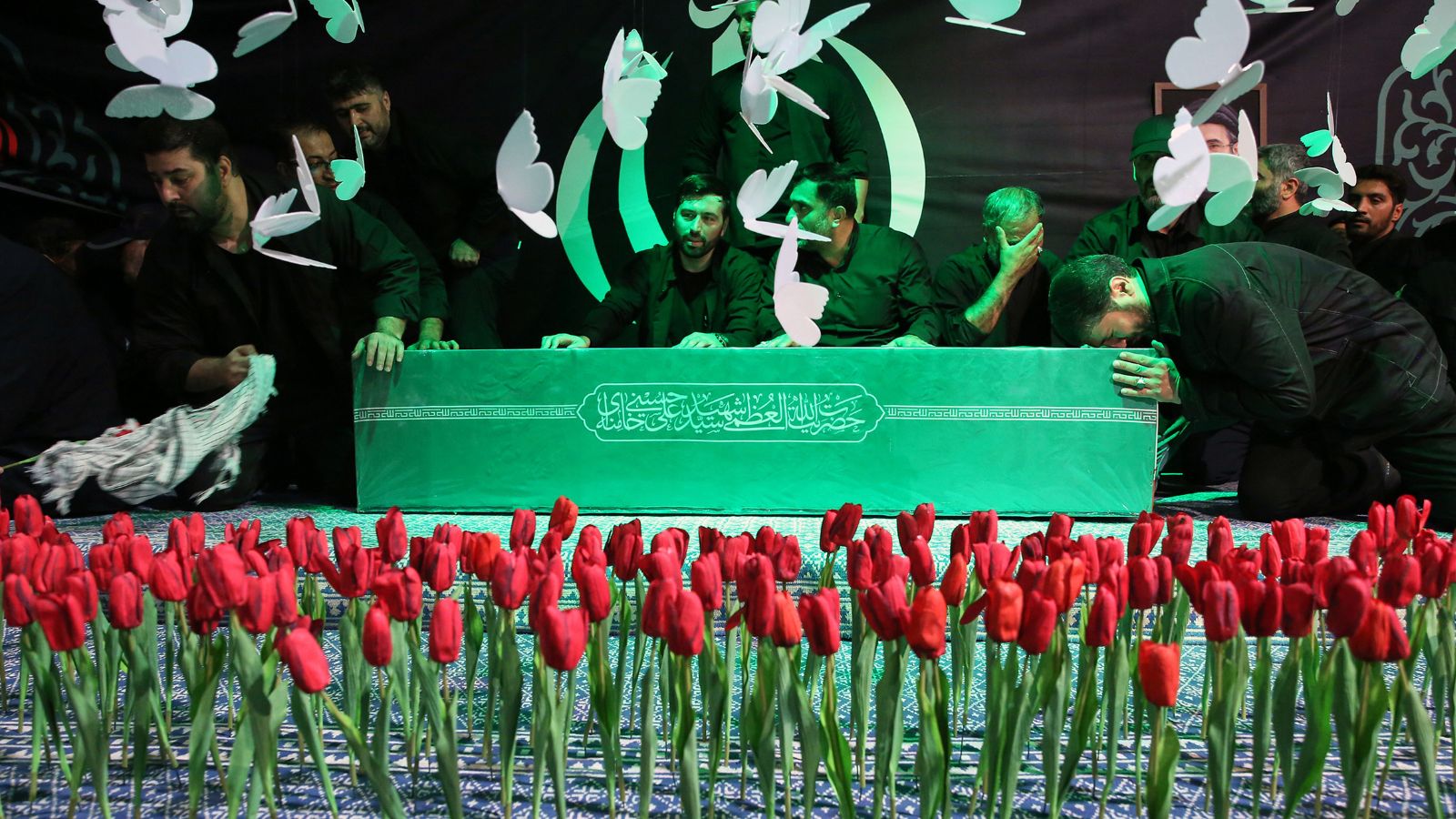
Iran is bidding farewell to its longest-serving Supreme Leader, Ayatollah Ali Khamenei, with days-long state funeral beginning on July 4.
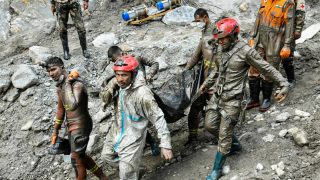
Khamenei was killed in a joint US-Israeli airstrike on February 28 – the first day of the US-Israel war on Iran.
Khamenei was at the helm of the Islamic Republic for nearly four decades.
The funeral began at Tehran's Grand Mosalla, with thousands of mourners in attendance and delegations from more than 100 countries participating in the ceremonies.
His body will be taken across cities in Iran and neighbouring Iraq, with authorities expecting massive crowds and nationwide ceremonies.
Khamenei's early days
Born into a religious family in Mashhad, a north-eastern holy city that became a centre of revolutionary fervour during the opposition to Shah Mohammad Reza Pahlavi, Khamenei pursued religious studies from an early age.
In the 1960s, he studied in Qom under Ruhollah Khomeini before Khomeini's exile to Iraq and later France.
Khamenei joined the anti-Shah movement, spending time in prison and in hiding.
Khamenei's rise to power
When Khomeini returned to Iran in February 1979 and established the Islamic Republic, Khamenei was appointed to the Revolutionary Council.
After Khomeini's death in 1989, Khamenei was named Supreme Leader.
Although he initially held the mid-level clerical rank of 'Hojatoleslam', he was elevated to grand ayatollah, the highest rank in the Shiite clerical hierarchy, amid skepticism about his religious credentials.
Over the decades, he consolidated clerical rule and transformed the Revolutionary Guard into Iran's most powerful military and economic force overseeing the country's ballistic missile program and extensive business interests
His more then three-decade tenure was marked by confrontation abroad and alleged repression at home.
Under him, Iran's nuclear programme advanced to near weapons-grade levels despite international sanctions.
Under Iran's 2015 nuclear deal with world powers, Tehran agreed to drastically reduce its stockpile and enrichment of uranium in exchange for the lifting of economic sanctions.
But only three years later, US President, Donald Trump, during his first term, unilaterally withdrew Washington from the accord, arguing it didn't go far enough.
Domestically, repeated waves of protests were forcefully suppressed.
More than 500 people were allegedly killed during the 2022 unrest following the death of 22-year-old Mahsa Amini, a member of Iran's Kurdish minority, who had been detained by authorities for allegedly violating the country's mandatory headscarf law.
Later in late December 2025, new economic protests erupted across the country, growing into what appeared to be the largest protest movement in Iran's history.
From revolutionary cleric to Iran's longest-serving leader, Khamenei leaves behind a powerful security state that he spent decades building and entrenching.