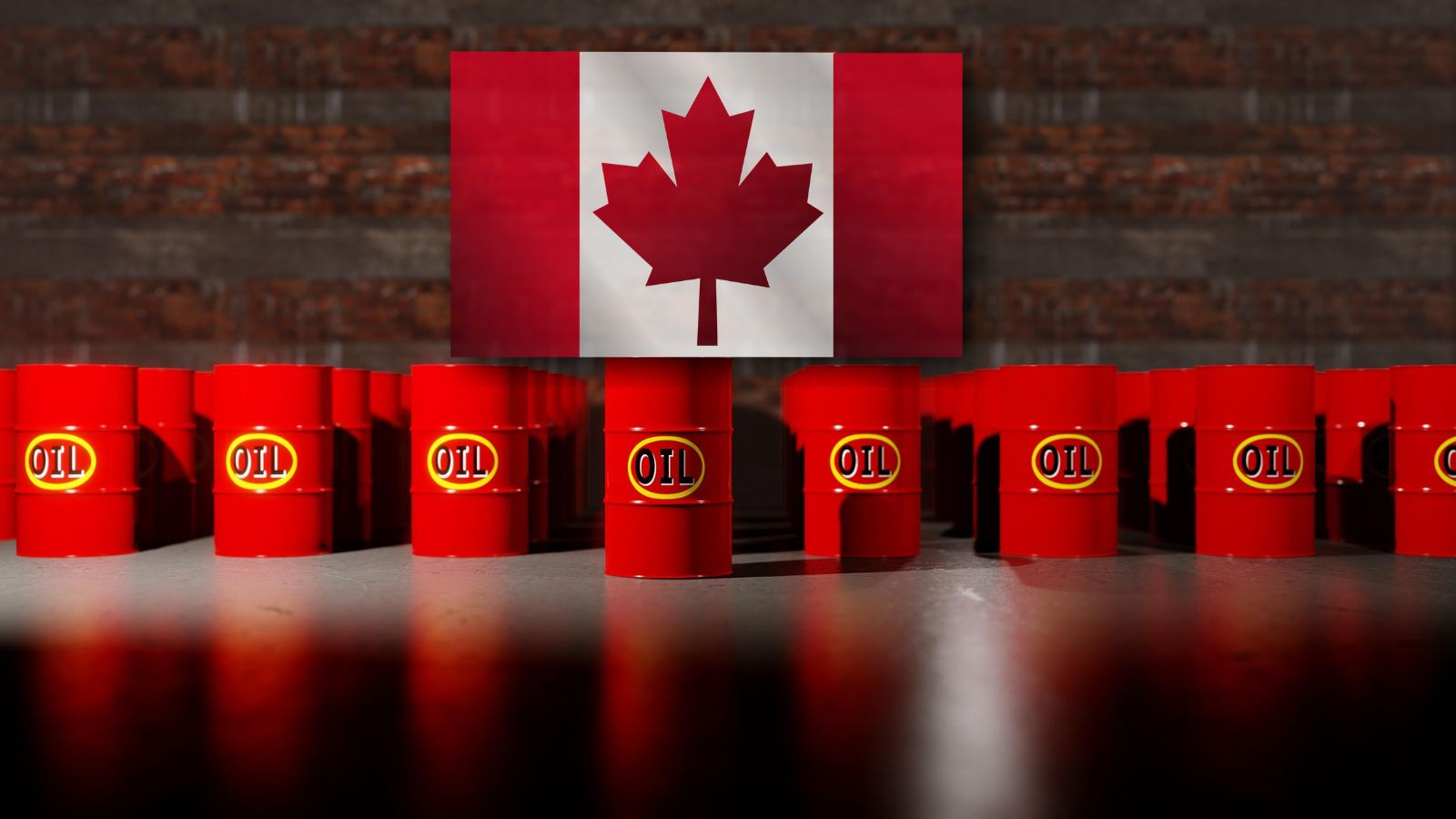


Toronto: Canadian Prime Minister Mark Carney has proposed a new oil pipeline from Alberta to Canada's Pacific Coast as part of efforts to reduce the country's dependence on the United States as its primary energy export market.
Speaking in Calgary on Thursday alongside Alberta Premier Danielle Smith, Carney said the preferred route would follow the existing Trans Mountain pipeline corridor through southern British Columbia, allowing more Canadian crude to reach fast-growing markets in Asia while preserving environmental protections along the province's northern coastline.
"The best route for a new pipeline is one that goes through one that already exists south through the Trans Mountain corridor, to our Pacific Coast, the gateway to the world's fastest-growing markets", Carney said.
The Canadian government aims to double non-US exports over the next decade, with Carney arguing that increased access to overseas markets would help narrow the price discount Canadian oil currently faces because of its heavy reliance on US buyers.
Smith said Alberta intends to double its oil production to eight million barrels per day over the next 10 to 15 years, describing the proposed pipeline as a project of national importance.
"The world is asking Canada to step up and provide stable, democratic and reliable energy supply", Smith said.
"This is not just another energy project. It's a nation-building project that will unlock wealth and opportunity".
Smith also confirmed that Pembina Pipeline Corporation is expected to participate in the project alongside government, although the extent of private-sector ownership has yet to be determined.
The proposal comes amid political tensions in Alberta, where Smith has repeatedly accused former Canadian Prime Minister Justin Trudeau of restricting the province's energy sector through environmental policies. Alberta is scheduled to hold a public vote later this year on whether to conduct a referendum on leaving Canada.
The proposed project also faces opposition from the British Columbia government and several First Nations groups, particularly over the prospect of additional pipeline infrastructure.
Carney stressed that the federal government would retain the existing ban on oil tankers along northern British Columbia's coastline.
"The tanker ban will remain in place. We will be protecting the northern coast of British Columbia", he said during a separate appearance in Vancouver.
He also pledged that the Canadian government would compensate British Columbia for any environmental risks associated with a pipeline through the southern part of the province.
British Columbia Premier David Eby said he had secured assurances from Ottawa that the northern tanker ban would remain unchanged.
"It ensures that the northern tanker ban remains in place", Eby said.
Former Prime Minister Justin Trudeau had approved the expansion of the Trans Mountain pipeline to British Columbia's southern coast but rejected the Northern Gateway pipeline project following opposition from environmental groups and Indigenous communities.
Since the expanded Trans Mountain pipeline entered service in 2024, between two-thirds and three-quarters of the crude exported from Canada's Pacific Coast has been shipped to Asian markets, reducing, but not replacing, the country's dependence on the United States, which remains the largest buyer of Canadian oil.
Canada possesses one of the world's largest proven oil reserves and is seeking to expand its energy exports to markets beyond North America.