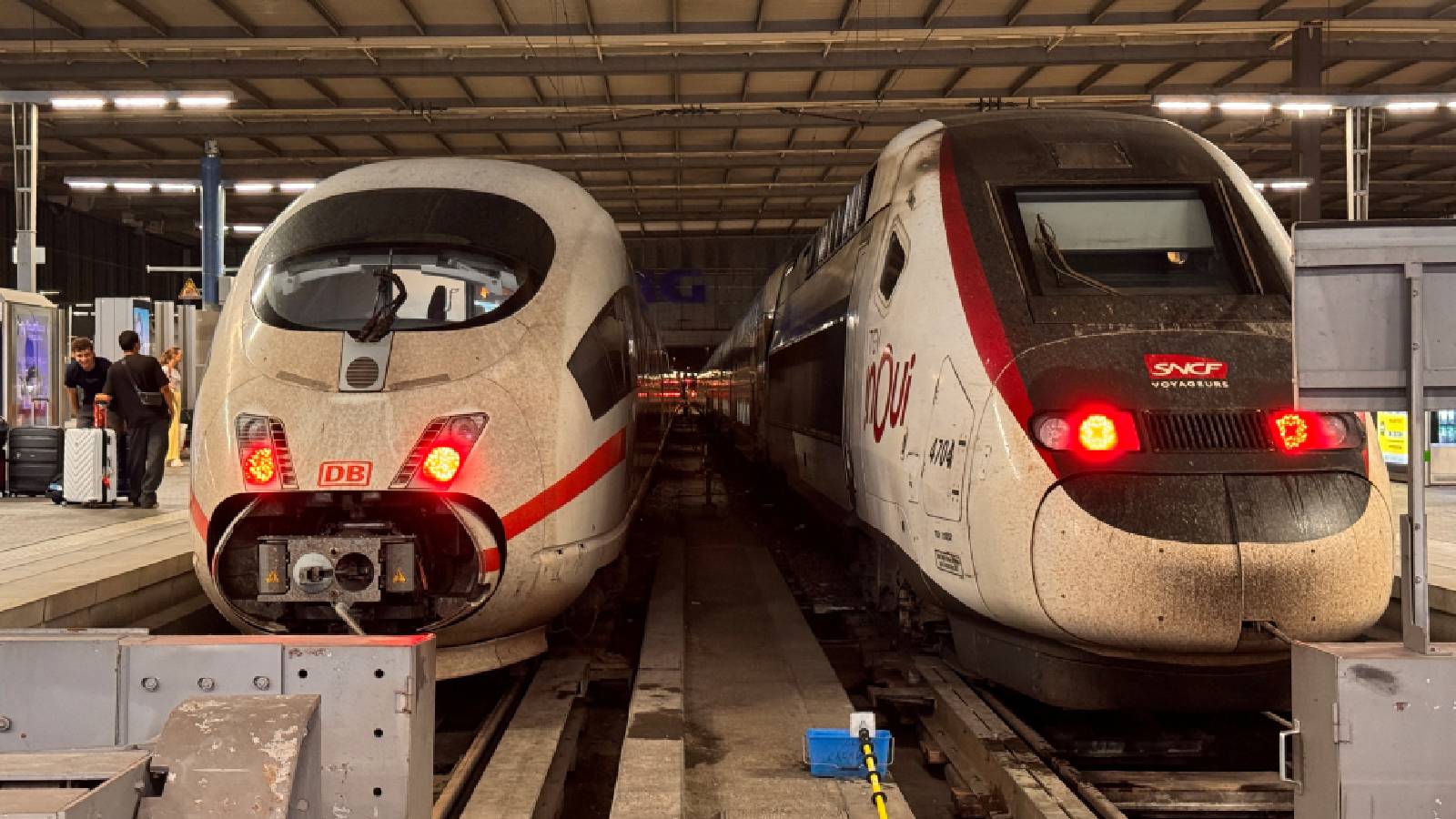


A problem with a communications system forced Germany's railway network to halt all trains late Tuesday, leaving passengers stranded across the country.
Trains were held at stations and would-be travellers stood in long lines at information desks as they tried to figure out how to get to their destinations.
The main national railway operator, Deutsche Bahn, said shortly before 1 am -- nearly two-and-a-half hours after it first reported the outage -- that the problem had been resolved and service was resuming "step by step."
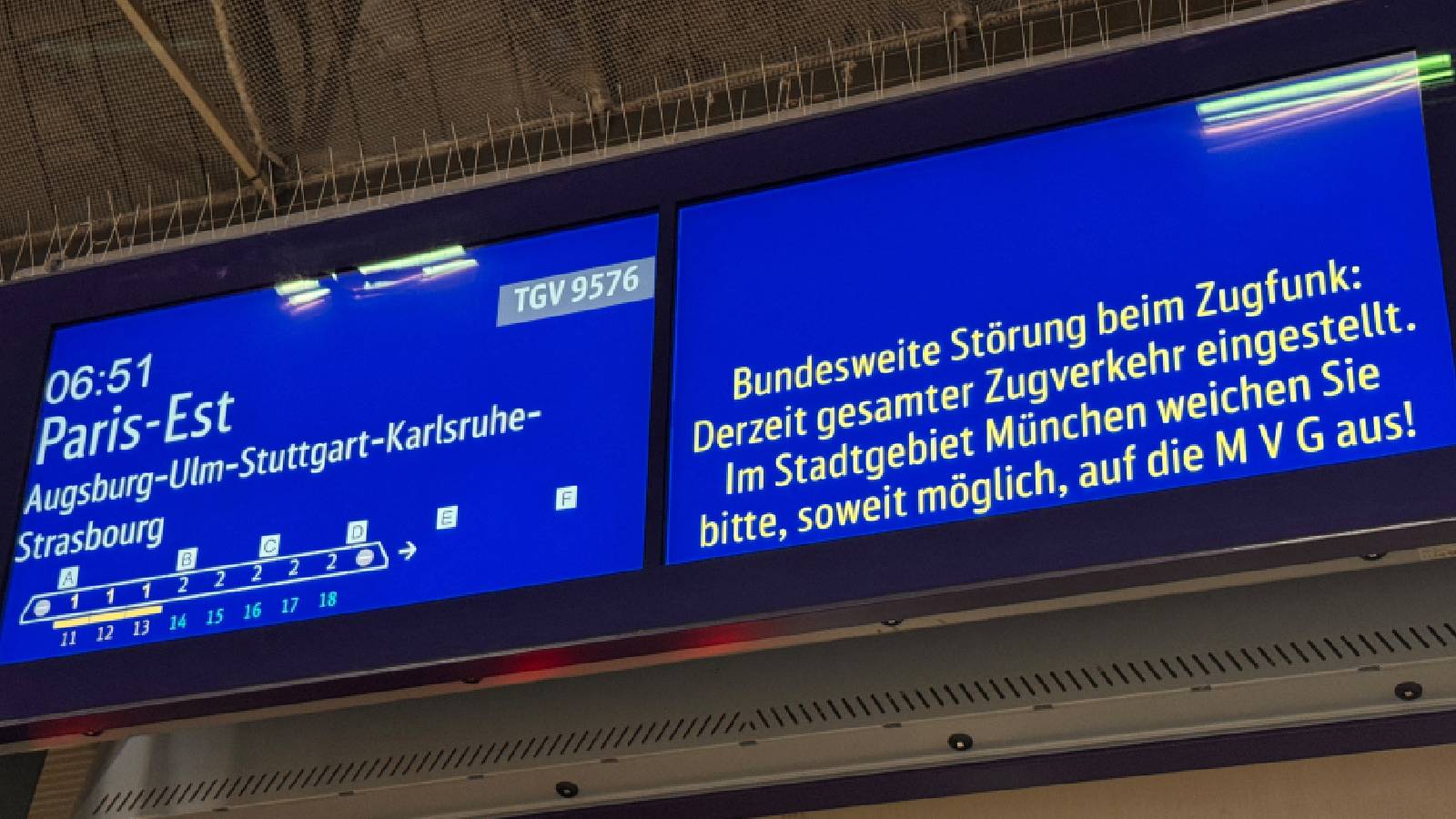
The company said there was a nationwide problem with the GSM-R digital communication system, which is used for internal communication on the railway network. It later said that the cause had been identified, but did not specify what it was.
The Bild newspaper quoted Deutsche Bahn CEO Evelyn Palla as saying that they "were able to stabilise the situation with an emergency system."
Deutsche Bahn said during the outage that it was giving taxi and hotel vouchers to passengers and, where possible, making available trains at stations for travellers to sit in. It apologised for the situation.
In recent years, complaints about train delays and disruption in Germany have become increasingly frequent.
Government-owned Deutsche Bahn has started conducting thorough but disruptive overhauls of major routes after years of underinvestment in a bid to improve its performance.
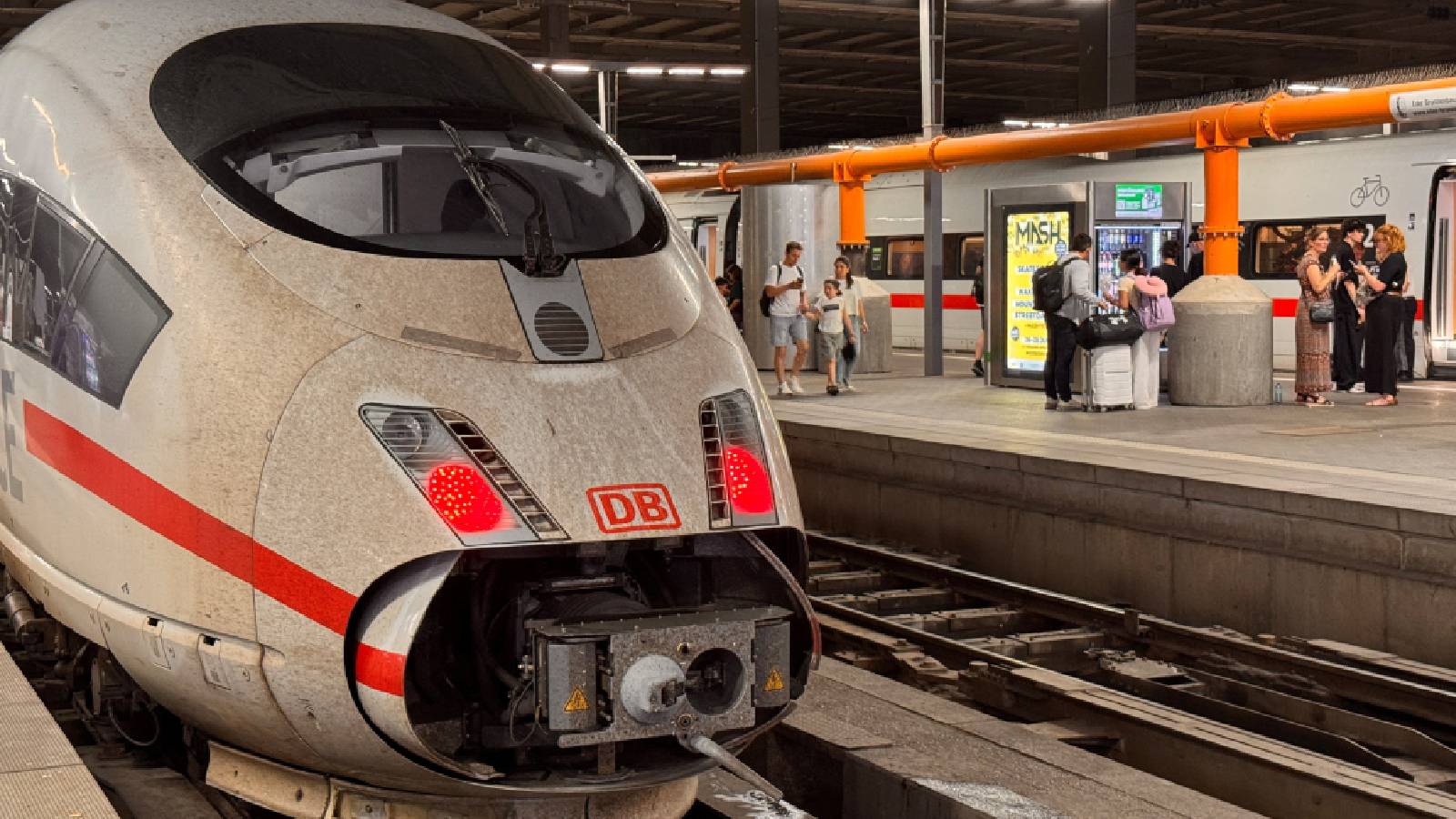
The German railway system has on rare occasions in the past halted all or most trains, but because of storms rather than for technical reasons.
GSM-R, short for Global System for Mobile Communications–Railway, offers voice and data services needed to operate railways, including communication between train drivers and control centers.
According to the European Union Agency for Railways, it has been introduced across Europe since 2000 as a common standard for railway operations.