

Tyre (Lebanon): US and Iranian negotiators headed to a Swiss venue on Saturday for talks on adding key details to their interim agreement to halt the war, hours after Tehran said it closed the Strait of Hormuz because of Israel's attacks in Lebanon and warned that little might be achieved if the fighting doesn't stop.
US President Donald Trump, in response, unleashed a new threat to impose American tolls in the crucial waterway if a final deal with Iran isn't reached in 60 days, saying the money would be for “services rendered as the Guardian Angel to the countries of the Middle East”.
The agreement calls for toll-free travel for 60 days.
The announcements indicated a rough start to the technical-level talks that key mediator Pakistan said will begin on Sunday, with Qatari mediators also participating.
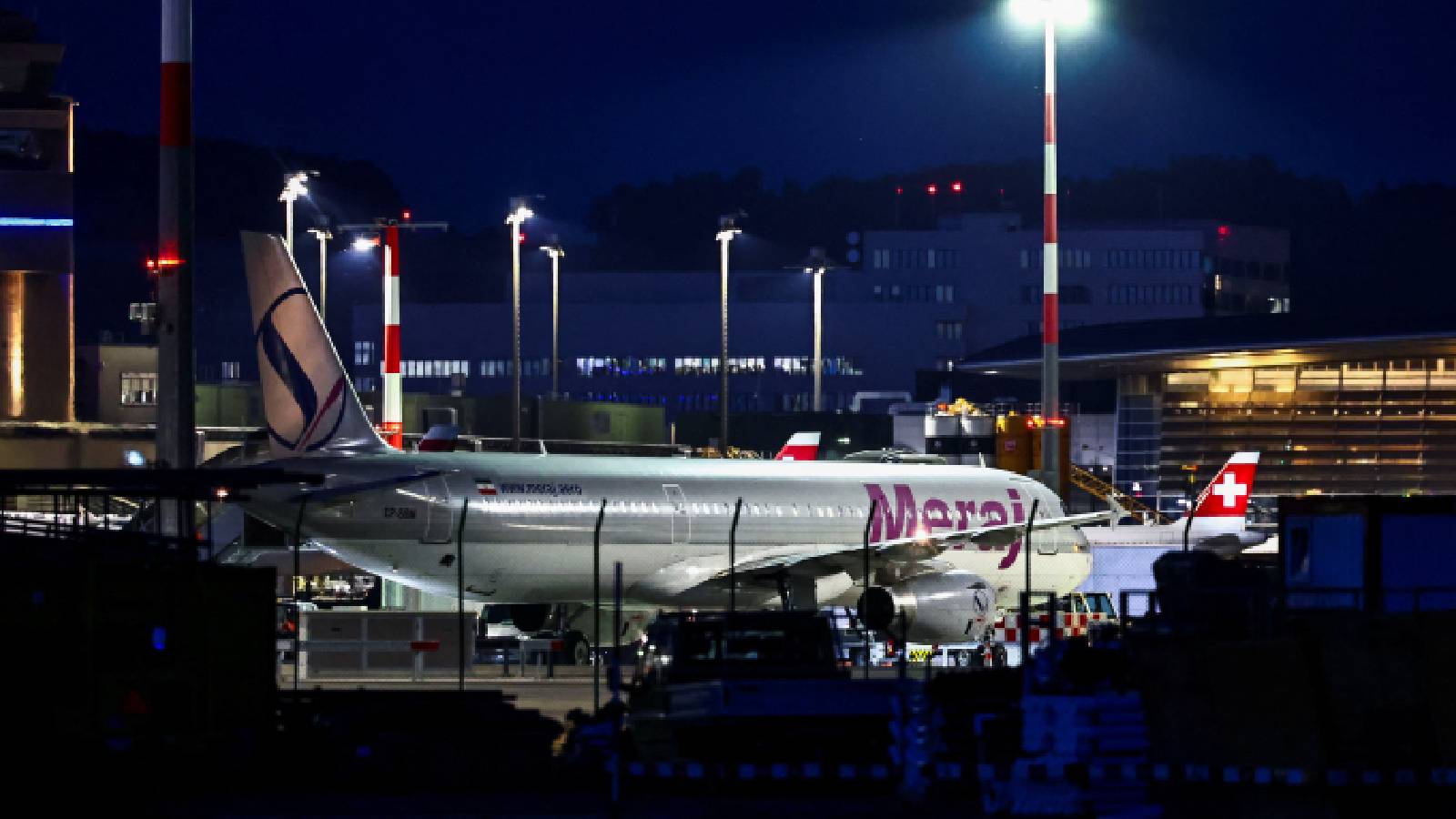
US Vice President J D Vance left for Switzerland on Saturday evening, just as Iranian state TV posted a video showing Iran's negotiators arriving there. They are led by parliamentary Speaker Mohammad Bagher Qalibaf and include Foreign Minister Abbas Araghchi and central bank and oil officials, among others.
The deal calls for billions of dollars of Iran's assets to be unfrozen.
Talks were meant to start Friday, but the Iranians cancelled plans to attend because of escalating fighting in Lebanon.
Negotiators for the US and Qatar, with help from Iran, worked out an agreement between Israel and the Iranian-backed Hezbollah militant group to tamp down hostilities, according to US and regional officials who spoke on the condition of anonymity because they were not authorised to comment publicly.
Vance told reporters he would be in Switzerland “for a day or two” but was optimistic about making progress in talks about Iran's nuclear programme and on a ceasefire in southern Lebanon. He earlier confirmed that top negotiators Jared Kushner and Steve Witkoff were already in Switzerland.
But Iranian Foreign Ministry spokesperson Esmail Baghaei told state TV that negotiations toward a final agreement will begin once key commitments are upheld. If they are not, “the memorandum of understanding as a whole will be jeopardised”.
The Strait of Hormuz once again becomes a challenge
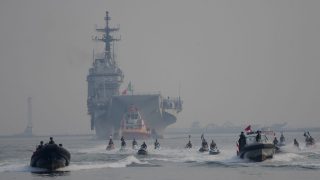
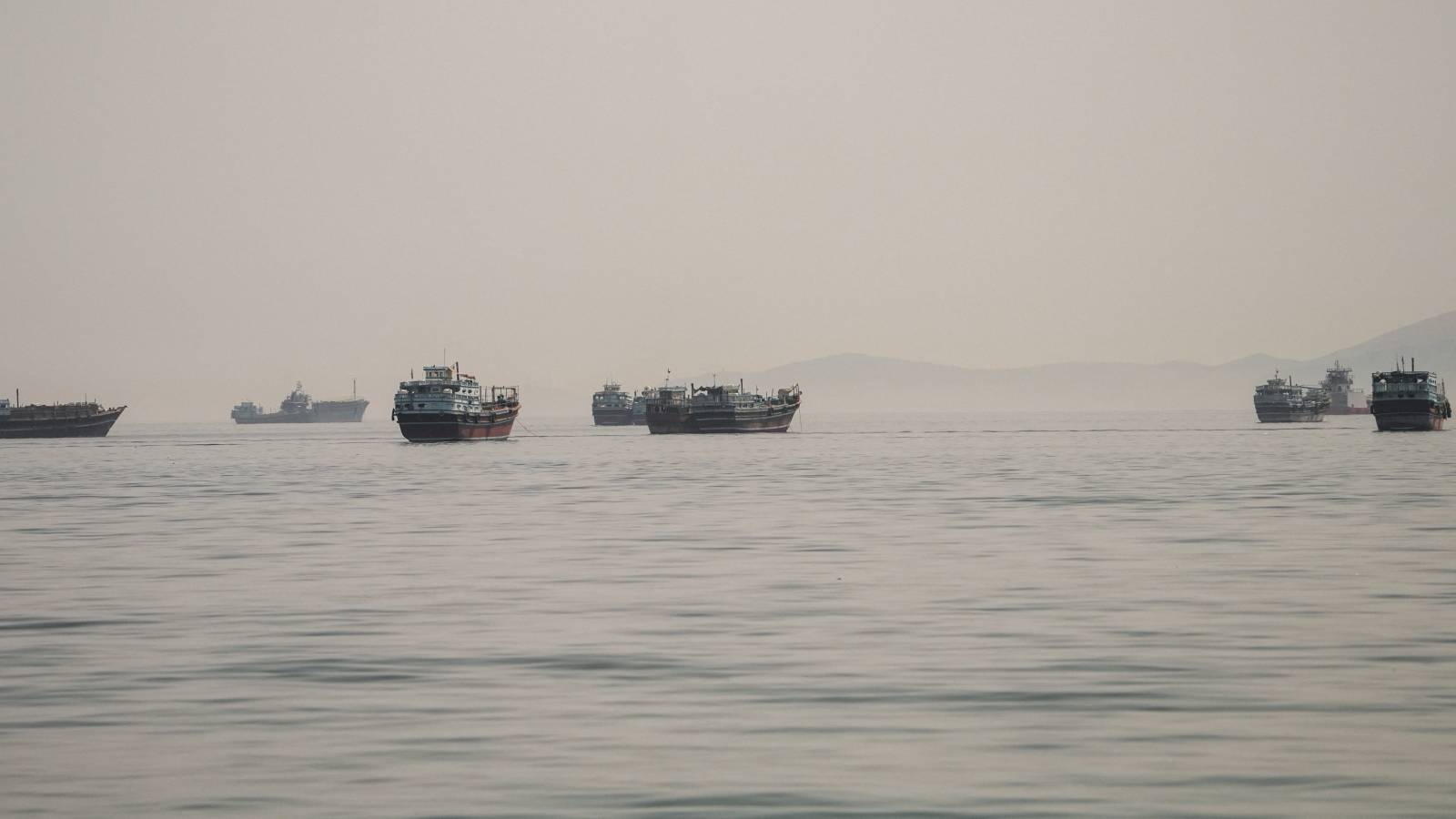
The strait has emerged again as a focus. Iran's joint military command said it was closed because of the US’ “clear breach of its commitments” by failing to end the war. The interim deal is meant to stop fighting on all fronts, including Lebanon.
The US disputed Iran's announcement.
“Iran does not control the Strait of Hormuz. Traffic continues to flow, and US forces are monitoring the situation to ensure this remains the case,” Capt Tim Hawkins, a spokesperson for US Central Command, said.
The military said that 55 merchant ships transited Saturday with more than 17 million barrels of oil.
The global economy braced for more uncertainty.
Ships began transiting after the interim US-Iran agreement was signed earlier in the week, a milestone that left plenty of questions unanswered. The US lifted its blockade of Iran's ports and now allows Tehran to sell its oil freely – terms that have left some in US Congress asking whether the war was worth it.
The interim deal signed by Trump and Iranian President Masoud Pezeshkian gives negotiators 60 days to reach a nuclear agreement, but the issue is intricate and the time can be extended.