




“Chak De India, Chak De…”
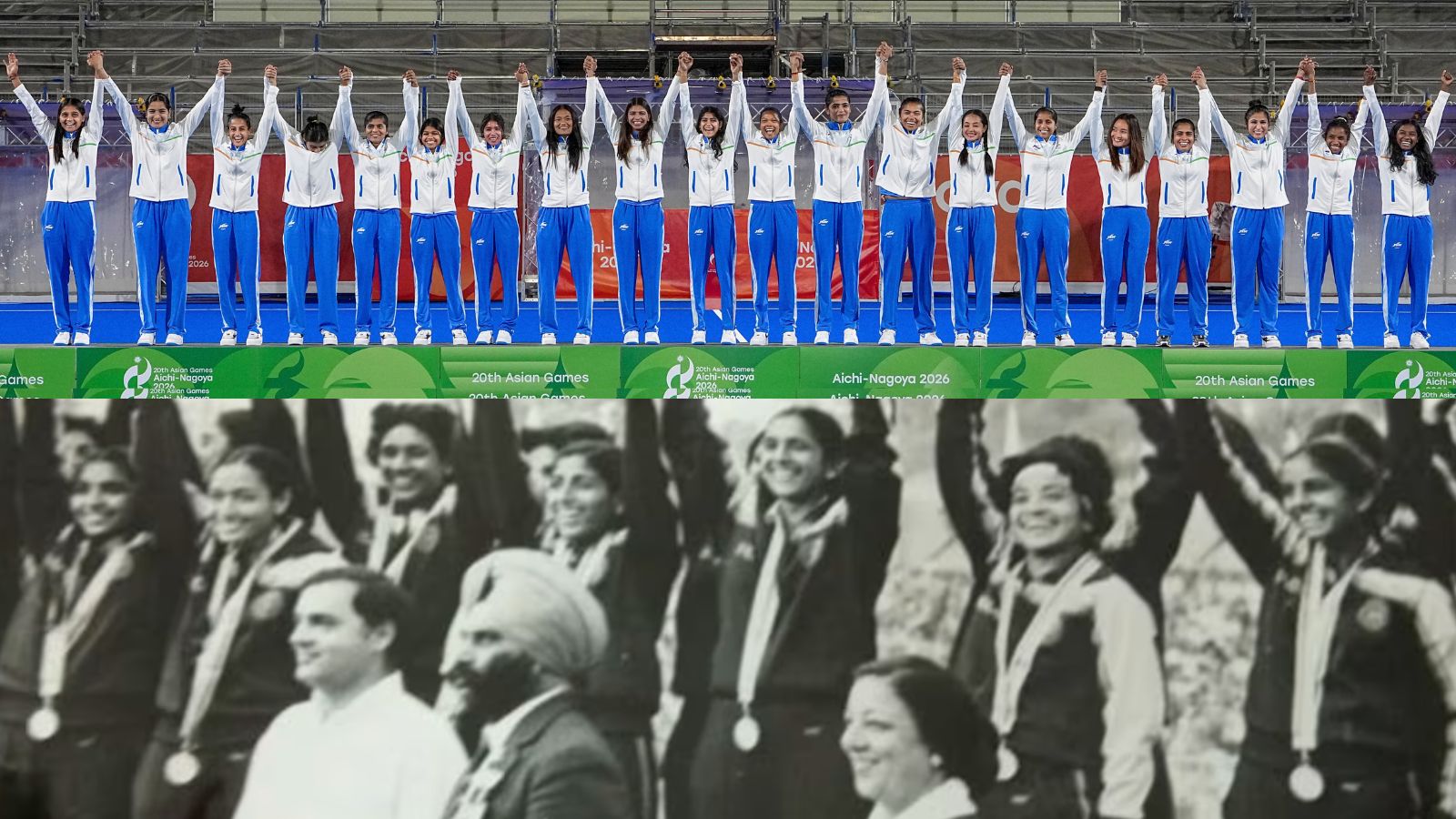
Every time an Indian hockey team wins a major competition, the iconic song inevitably finds its way into reels, stories, and celebrations. But on Thursday night, the familiar title track felt different. It carried a little more meaning. Because this time, hamari choriya did more than win a hockey match. They ended India’s 44-year wait for an Asian Games gold medal.
A lot has changed between the 1982 Asian Games gold and the victory in 2026: the rules, the scale of the competition, the kits, and even the way the game is played. But one thing remains unchanged - the desire to create a legacy and write another chapter in Indian hockey’s history.
Women’s hockey made its official debut at the Asian Games on Indian soil in 1982. The tournament operated under a simple round-robin format where six teams played each other once. There were no high-stakes knockout rounds, semifinals or a standalone gold-medal match; the winner was decided by whoever accumulated the most points in the league table. Matches were played under classic field-hockey rules, two 35-minute halves, with offside strictly enforced. This demanded intricate, shorter passes and close stickwork.
India’s 1982 squad, led by captain Eliza Nelson, dominated the tournament completely, sweeping all five matches, scoring 37 goals and conceding only one. Their 3-0 victory over Singapore was their final match of the campaign, sealing a historic gold medal at the packed Shivaji Stadium.
Fast-forward to 2026, and the sport bears little resemblance to its 20th-century predecessor. Today’s modern game features pool play followed by a knockout phase and a winner-takes-all gold-medal final. Today, the game is played over four 15-minute quarters on synthetic turf, with no offside rule.
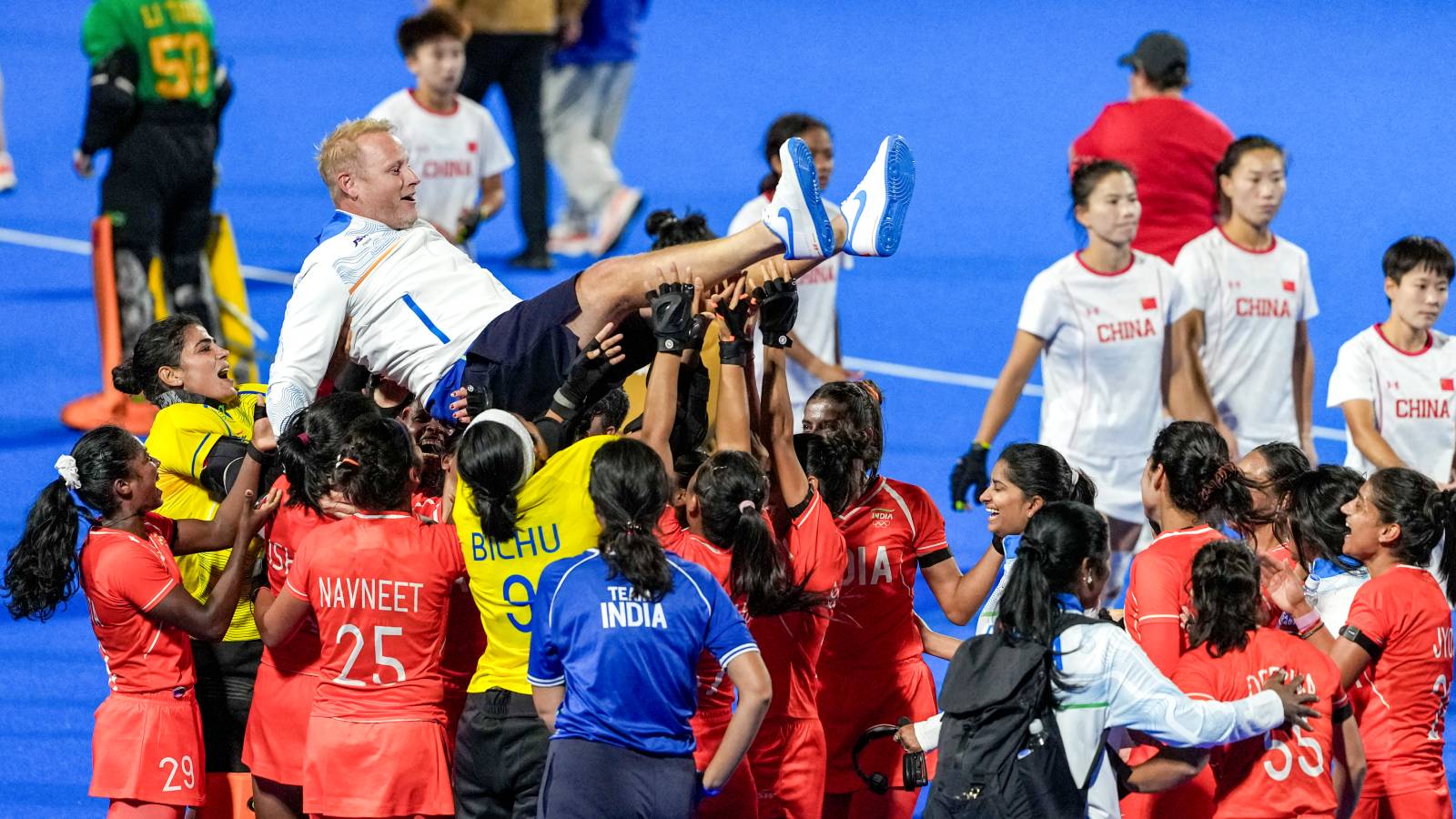
India’s 2026 triumph came through tactical resilience. After navigating the pool stage and semifinals, the team faced defending champions China in a tense final, holding onto an early 1-0 lead to claim the gold and secure automatic qualification for the Los Angeles 2028 Olympic Games.
Lalremsiami scored the decisive goal in the 10th minute, marking her 200th international appearance with a powerful reverse-stick strike. India then withstood sustained pressure from China, with veteran goalkeeper Savita Punia making a crucial penalty-stroke save to preserve the lead. When the final hooter sounded, the tears and selfies under the Gifu Prefectural Green Stadium lights told their own story.
While the format may be different, the determination remains the same, then and now. The intensity with which the team plays is the same.
Just as the team in Chak De! India had Shah Rukh Khan’s Kabir Khan, the 1982 women’s team had Balkrishan Singh and the 2026 side had Sjoerd Marijne guiding them.
Also Read:
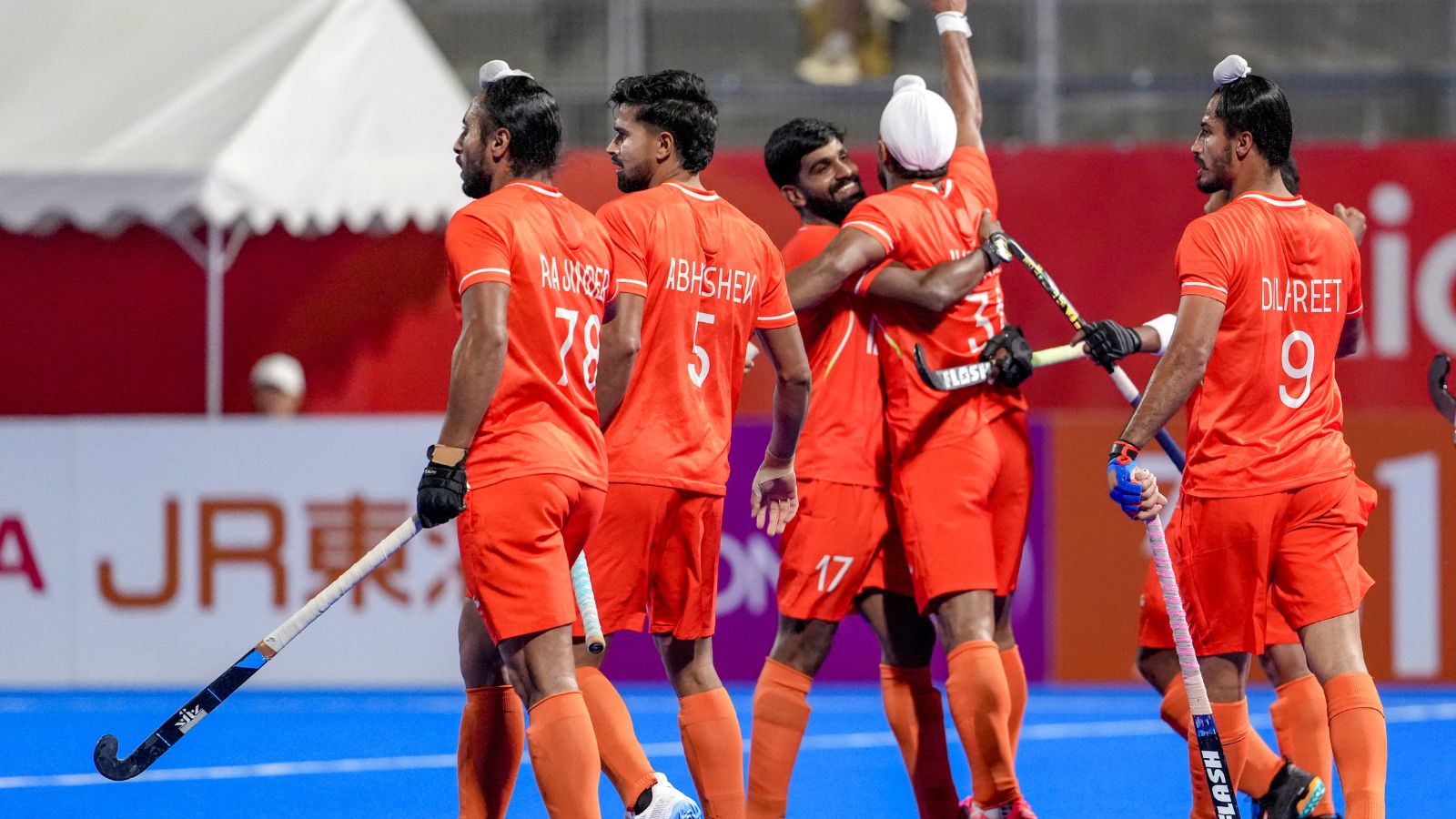
And in the captains themselves, there is a quiet symmetry. Eliza Nelson and Salima Tete, separated by 44 years, both led India to Asian Games gold as relatively young captains who had to fight for their place in the game.
Nelson, a right-winger from a railway family, broke down the rigid junior-senior divide and demanded equality in the dressing room. Tete, a midfielder from a farming family in a remote Jharkhand village, rose through sheer persistence and now leads with the same quiet authority.
1982 and 2026, different eras, different challenges, but remarkably similar struggles. Neither team entered its defining moment with the odds of history necessarily on its side. Yet both proved their mettle when it mattered most.