


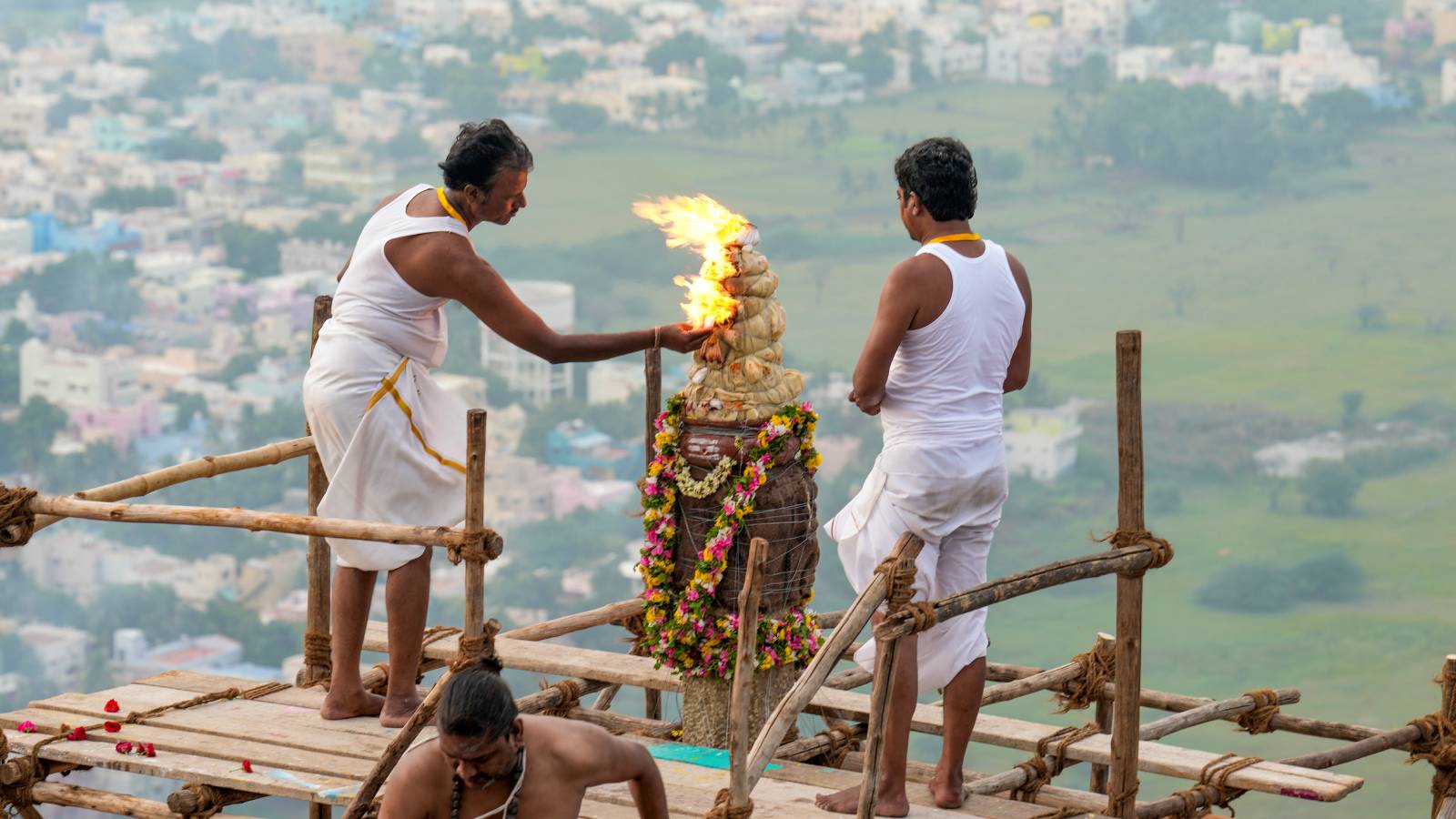


Madurai: The traditional Karthigai Deepam was lit at the disputed Deepathoon stone pillar atop Thiruparankundram hill at 5 pm on Saturday, following fresh directions from the Supreme Court. The ceremony took place under heavy security provided by the Central Reserve Police Force (CRPF), with two former High Court judges appointed by the apex court overseeing the arrangements.
The lighting of the lamp came after weeks of legal proceedings over the location of the annual ritual. Devotees gathered around the foothills and at nearby vantage points to witness the ceremony. As the flame was lit, many raised devotional chants, including “Vetrivel, Veeravel” and “Vetrivel Muruganukku Arohara”. Some devotees were seen celebrating with flowers and traditional gestures of devotion.
Lamp lit under supervision of court-appointed receivers
The ritual was conducted in the presence of retired judges S Vaidyanathan, former Chief Justice of the Meghalaya High Court, and V Parthiban, former Madras High Court judge. The Supreme Court had appointed the two as receivers to take charge of the Arulmigu Subramaniya Swamy Temple's administration and oversee the implementation of its directions.
Also Read:
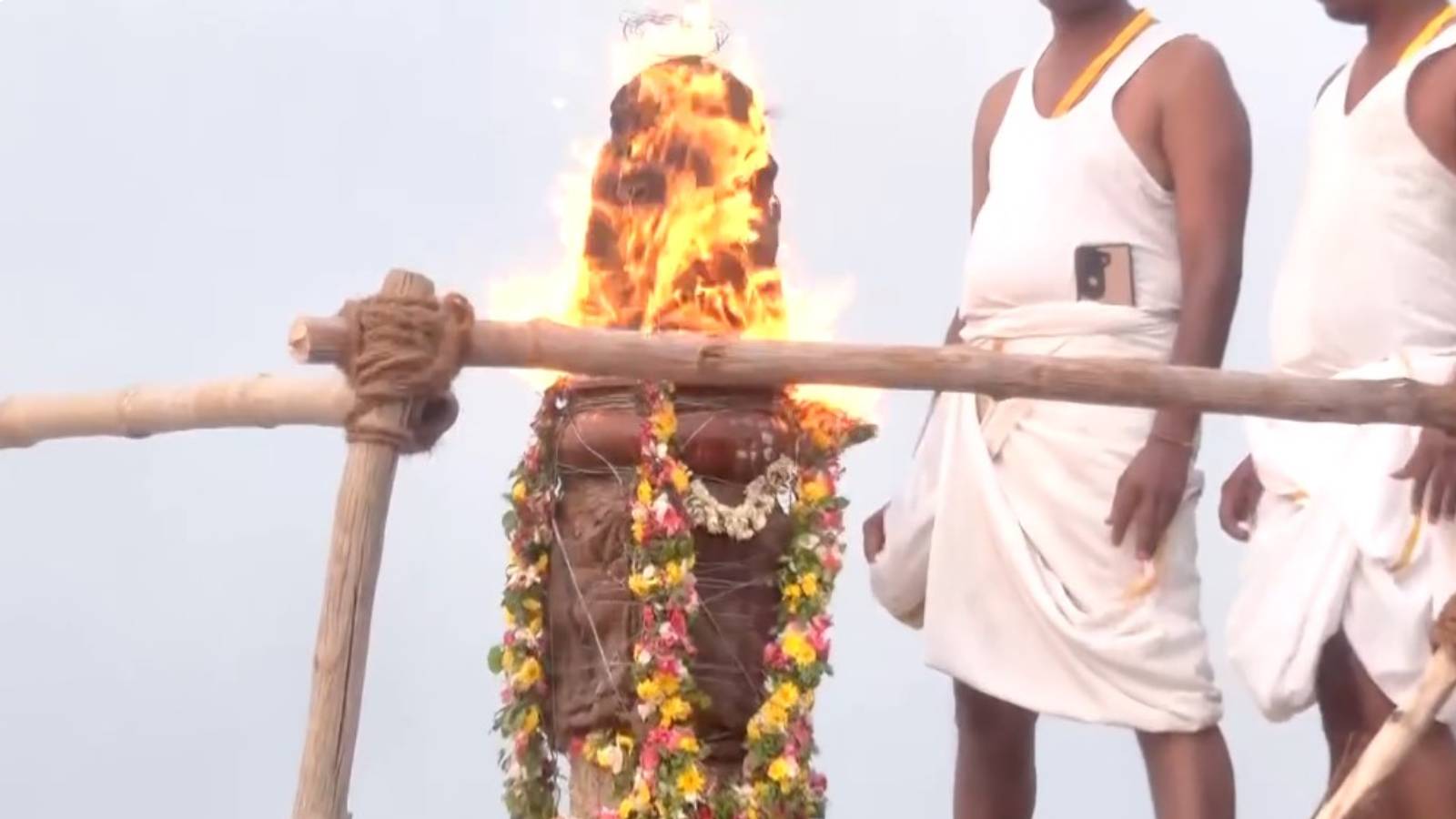
The lamp was lit on a structure installed at the Deepathoon, with temple priests performing the rituals. Around 30 kg of ghee, a 50-metre cotton wick and 5 kg of camphor were used for the ceremony. Madurai District Collector Nishant Krishna was also present.
Access to the hilltop was restricted as part of the security arrangements. CRPF personnel took control of the hill, while announcements limited the number of people allowed to ascend. Devotees and members of the public watched from the foothills and nearby locations.
Supreme Court ordered fresh intervention after November 24 ritual
The latest ceremony followed the Supreme Court's November 27 order, passed after the lamp was not lit at Deepathoon on November 24 despite the court's earlier direction.
On November 20, the apex court had permitted a temple-authorised team to light the Karthigai Deepam at the stone pillar as a one-time arrangement. However, the ritual was conducted at the customary Deepa Mandapam near the Uchipillaiyar temple instead.
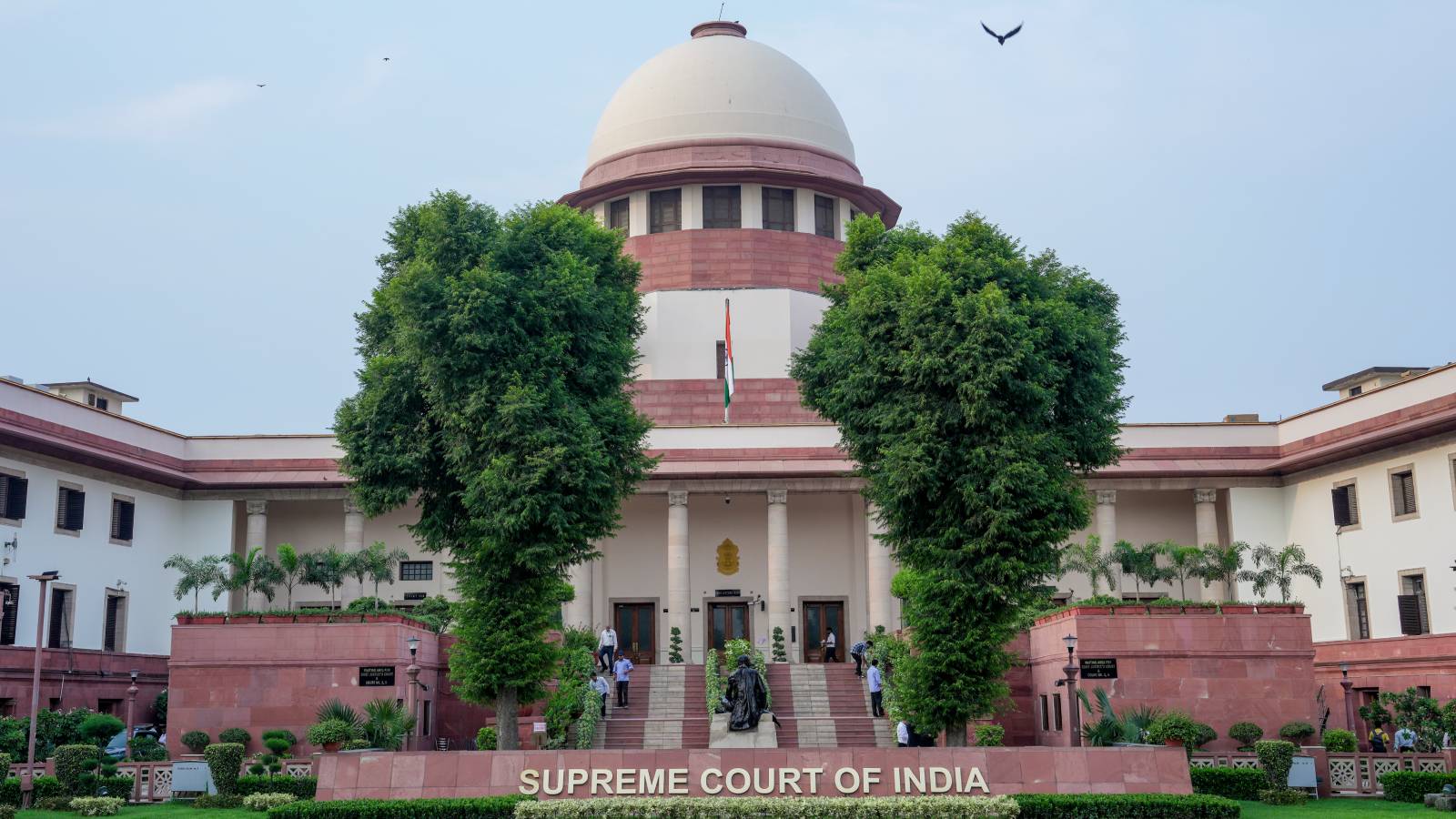
Taking up contempt petitions, the Supreme Court subsequently issued notices to senior Tamil Nadu officials over what it described as prima facie wilful disobedience of its earlier order. It also suspended the temple's board of trustees and appointed the two retired judges as receivers.
The court directed that the Deepathoon lamp be lit on November 28. It also permitted devotees to light lamps at locations on the hill, subject to a minimum distance of 50 metres from the Sikandar Dargah on all sides. The CRPF was directed to provide security to both the temple and the dargah.
A dispute with roots in the 19th century
The controversy centres on the demand by Hindu organisations and a section of devotees to conduct the Karthigai Deepam ritual at an elevated location on Thiruparankundram hill, rather than limiting it to the customary mandapam near the Uchipillaiyar temple.
The hill is an important pilgrimage centre associated with Lord Murugan. It also houses the Hazrat Sultan Sikandar Badusha Auliya Dargah and a mosque. Disagreements over ownership, access and religious practices have periodically led to legal disputes.
Court records refer to attempts by Hindus to light a lamp at the hilltop in 1862 and 1912. Those attempts were stopped by the authorities at the time, citing the absence of an established custom and concerns over public order. The available historical accounts do not conclusively establish whether the ritual had ever been performed at the present Deepathoon before the ceremony on November 28, 2026.
The campaign to move the ritual to a higher location gained momentum through Hindu organisations in the early 1990s, leading to further legal proceedings. The latest dispute brought the question of the lamp's location before the Madras High Court and, subsequently, the Supreme Court.
Saturday's ceremony marked the implementation of the apex court's latest directions, although the broader questions surrounding ownership, religious rights and access to the hill remain part of the wider dispute.