

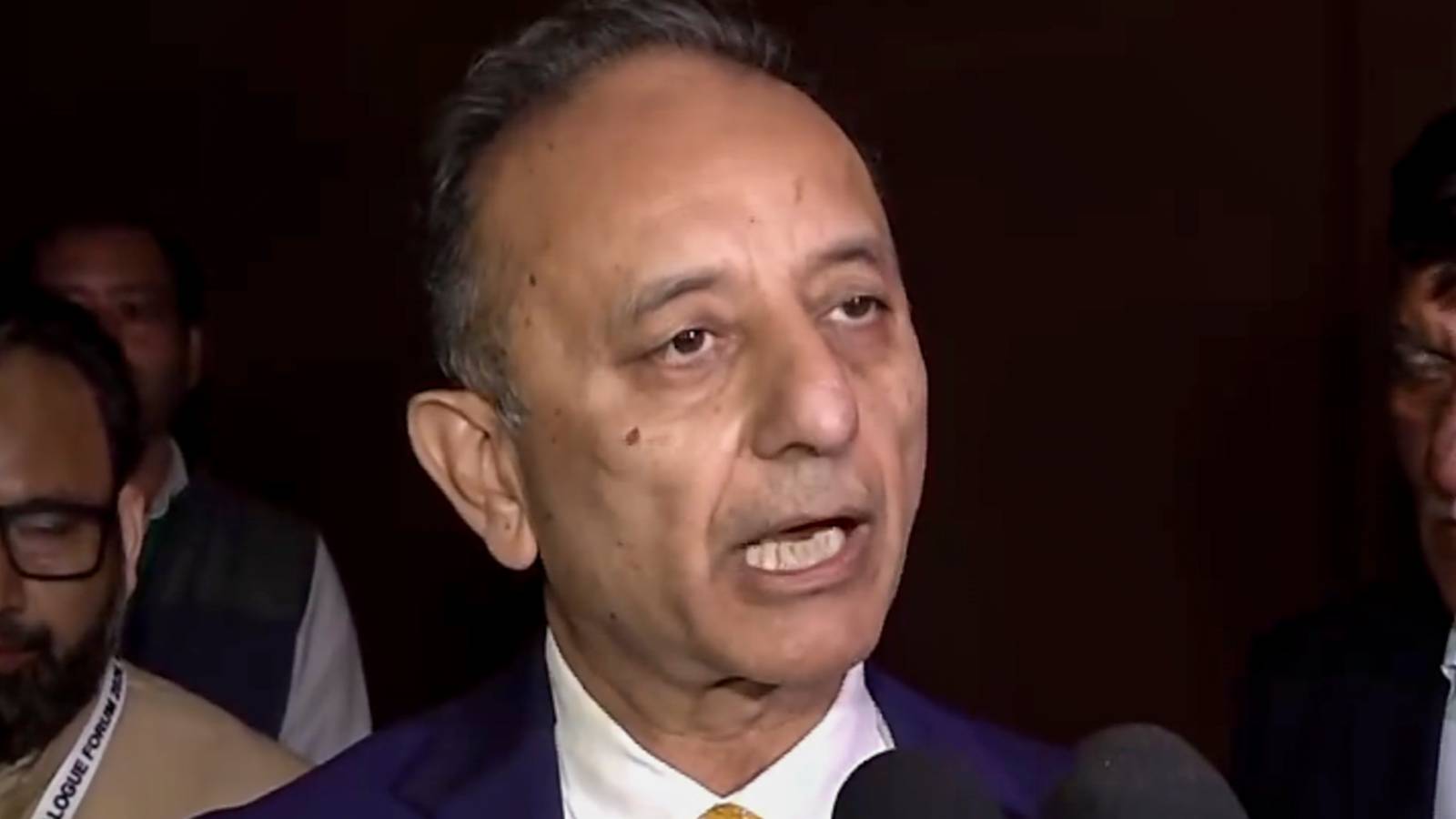


New Delhi: Pakistan’s Climate Change and Environmental Coordination Minister Musadik Masood Malik on Sunday said he was prepared to discuss the Indus Waters Treaty (IWT) if India invited him for bilateral talks. However, he did not directly respond to questions about his earlier warning that Pakistan would “cut off” the hands of anyone attempting to take away its share of water.
Malik was speaking to reporters on the sidelines of the Shanghai Cooperation Organisation (SCO) Civilisational Dialogue Forum in New Delhi, where he led Pakistan’s delegation.
“When you invite me to discuss the Indus Water Treaty, we will certainly talk about it. You haven't invited me to discuss the Indus Water Treaty at this moment,” he said.
Asked about his earlier statements and whether he would address the issues during his visit, Malik maintained that discussions on bilateral matters required a formal invitation.
“When you invite me to discuss those specific issues, I shall be there. But first, you must extend that invitation. Tell me that you wish to engage in a bilateral dialogue; when you invite me for such a discussion, I will be present, and I will then answer all the bilateral questions you choose to ask,” he said.
His remarks came after questions about comments he made in June, when he warned that Pakistan would respond if India attempted to interfere with its water supply.
Malik’s earlier warning over Indus waters
In June 2026, Malik criticised India's decision to place the 1960 Indus Waters Treaty in abeyance. Speaking at a press conference, he said Pakistan would “cut off those hands” that attempted to claim its share of water.
He also accused India of seeking control over Pakistan’s water supply and argued that the issue had implications for the country's food security and economy. His remarks were reported by Indian and Pakistani media.
On Sunday, however, Malik did not directly clarify whether he stood by the warning or regretted making it. Instead, he said he would address the treaty and other bilateral issues in a formal dialogue with India.
India says its position remains unchanged
India has reiterated that there has been no change in its position on the treaty.
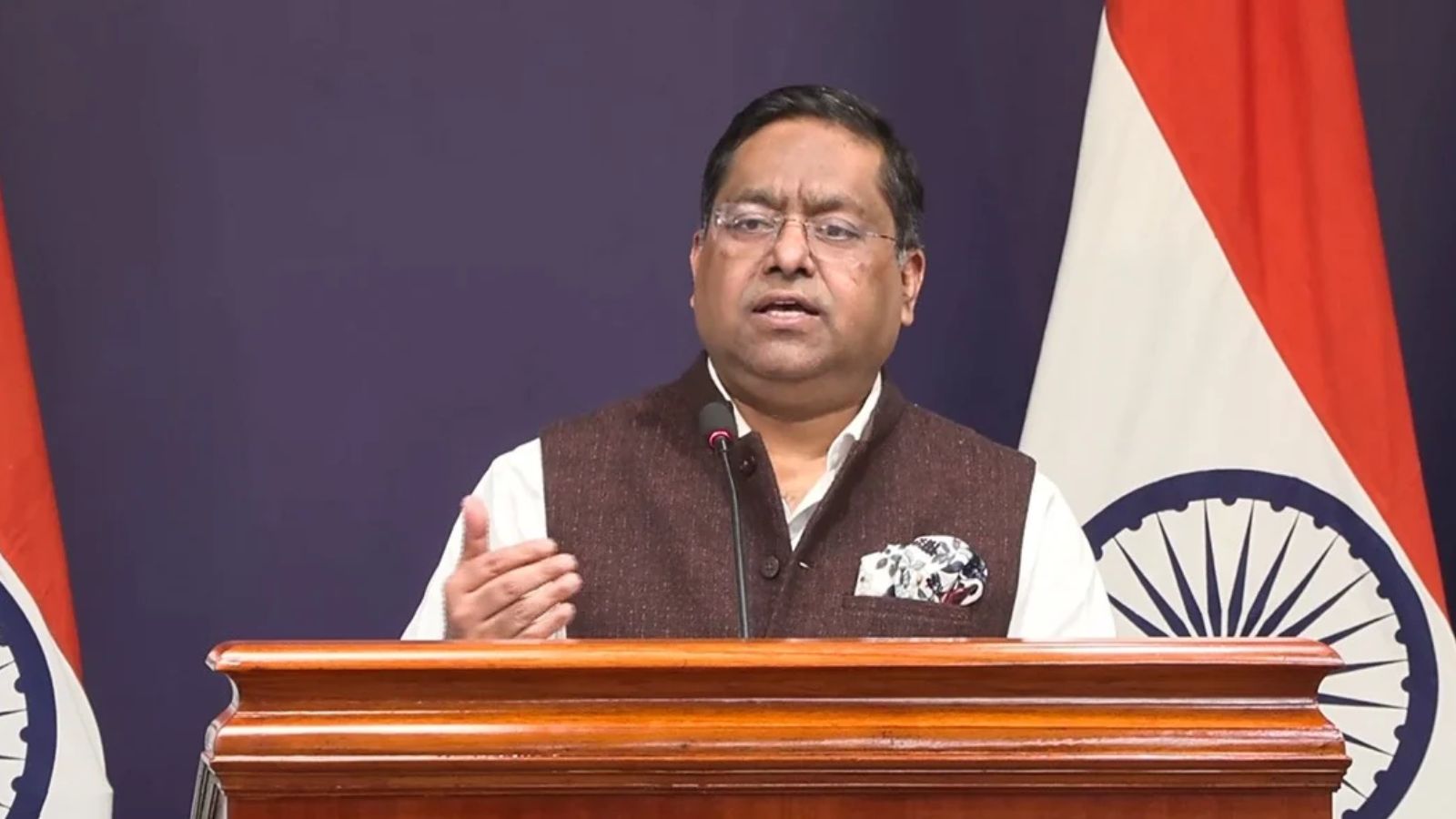
On November 20, Ministry of External Affairs spokesperson Randhir Jaiswal was asked about Malik’s visit and his earlier remarks on the agreement.
“As far as the IWT is concerned, we have made our position very clear and that is where it remains. There is absolutely no change,” Jaiswal said.
Also Read:
Malik’s participation in the SCO forum was part of a multilateral engagement. India had extended invitations to all SCO member states, including Pakistan, in keeping with established practice. The visit did not, by itself, signal the resumption of bilateral negotiations.
Why India placed the treaty in abeyance
The Indus Waters Treaty was signed by India and Pakistan in 1960, with the World Bank playing a role in its establishment. It governs the sharing of the waters of the Indus river system between the two countries.
India announced on April 23, 2025, that it would hold the treaty in abeyance with immediate effect. The decision followed the April 22 Pahalgam terror attack in Jammu and Kashmir, in which 26 people were killed.
The Cabinet Committee on Security said the treaty would remain in abeyance until Pakistan “credibly and irrevocably abjures its support for cross-border terrorism”. India formally communicated the decision to Pakistan the following day.
The Indus basin is central to Pakistan’s agricultural economy. A World Bank assessment describes its irrigation network as the largest contiguous system of its kind in the world, with a canal command area of approximately 16.2 million hectares.
The treaty dispute remains a major point of tension between the two countries, with Pakistan opposing India's decision to hold the agreement in abeyance and India maintaining that its position is unchanged.
(with inputs from ANI)