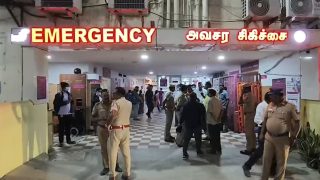


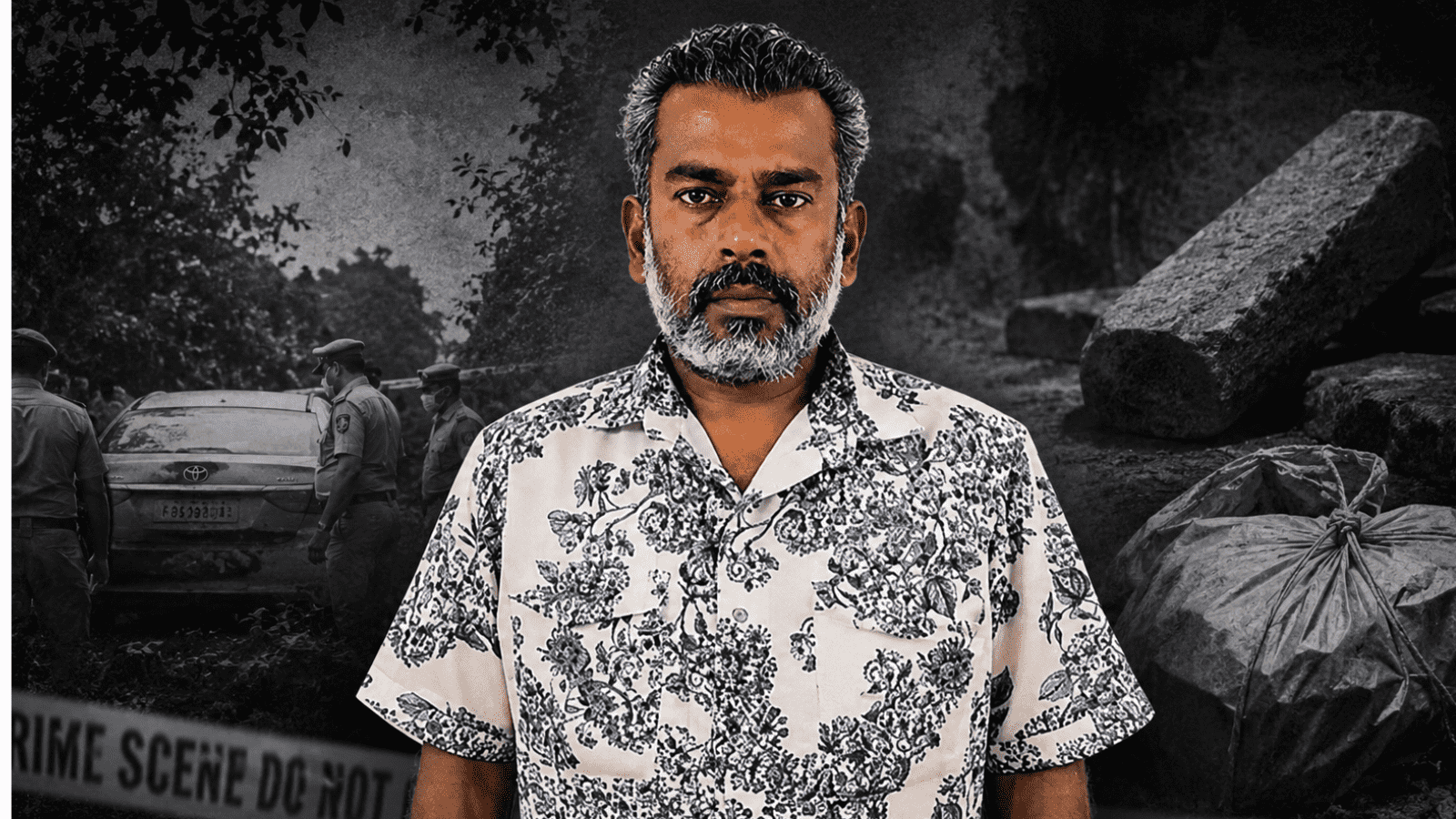


Bengaluru: A missing-person complaint filed at a police station in Bengaluru on November 3 would eventually lead investigators to uncover one of the most shocking murder cases reported in Karnataka in recent times.
A woman was unable to contact her daughter, Nalini, and son-in-law, Shankar. Their phones had reportedly been switched off since October 31. Repeated attempts to reach the couple had failed, and their whereabouts were unknown.
What initially appeared to be a case of two missing family members soon took a far more disturbing turn.
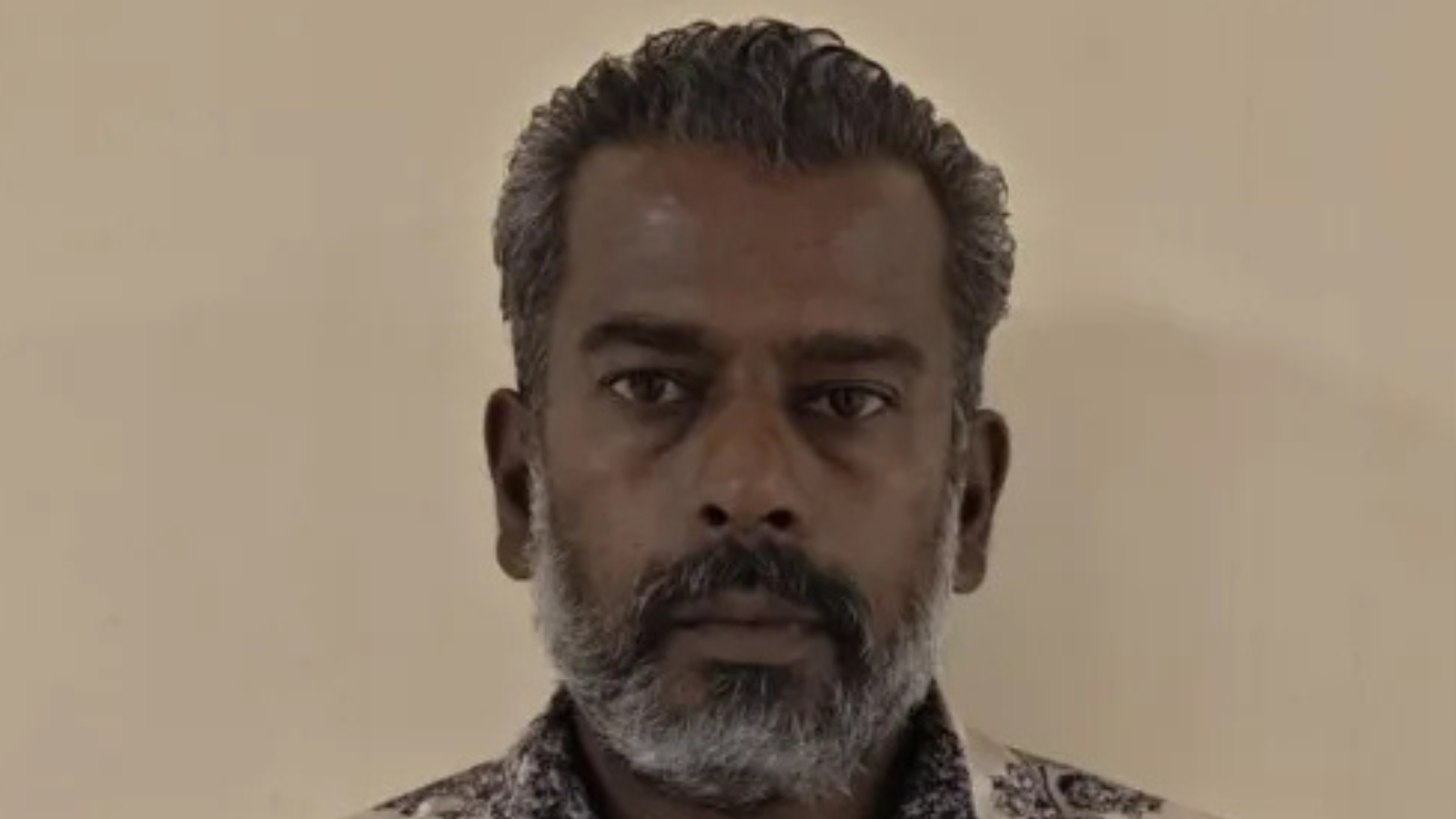
The investigation led police to a 52-year-old cab driver, identified as S Indushekar, alias Shekhar, who lived in Rajajinagar, Bengaluru. He was not merely suspected of knowing where the missing couple had gone. Police would eventually accuse him of murdering seven members of his wife's family, including his wife and a seven-year-old child, over a period of approximately 15 to 20 days.
The victims were allegedly killed at the accused's house and their bodies transported in his car before being dumped at different locations across Karnataka and Tamil Nadu.
By November 9, police had recovered all seven bodies from four locations. The search had taken investigators through forested stretches, steep slopes and remote ravines, as they attempted to trace the remains of an entire family.
The details that emerged during the investigation painted a picture of alleged premeditation, deception and a child caught in the middle of a horrifying sequence of events.
Also Read:
A marriage, a family dispute and seven alleged murders
Indushekar and his wife Sunitha, 40, had reportedly been married for around 20 years. The couple lived in a small one-room house on the terrace of a building near Bhashyam Circle in Rajajinagar.
According to preliminary police investigations, the couple frequently argued over Sunitha's continued association with her parental family.
Investigators suspect that tensions surrounding her relationship with her family may have been a factor behind the killings. Family members had reportedly made attempts to resolve the differences between the couple.
However, the exact circumstances that led to the alleged murders, including the nature of the disputes and whether there were other contributing factors, remain matters for investigation.
The seven people allegedly killed were all members of Sunitha's family:
- Sunitha, 40, Indushekar's wife
- Roopavathi (also spelt Rupavathi), 65, Sunitha's mother
- Shivakumar, 30, Sunitha's brother
- Divya, 30, Shivakumar's wife
- Puneeth, seven, Shivakumar and Divya's son
- Shankar, 44, Sunitha's other brother
- Nalini, 29, Shankar's wife
According to the police, Indushekar allegedly called members of his wife's family to his house individually and killed them. The First Information Report (FIR), as reported by The Indian Express, places the alleged killings between October 16 and November 1.
The suspected method was particularly brutal. Investigators believe that a heavy household grinding stone was used to attack the victims, causing fatal head injuries.
Police are also investigating whether sleeping pills were mixed into food and alcoholic drinks to incapacitate some of the victims before they were attacked.
The alleged sequence: How the killings unfolded
The police investigation has pieced together a possible sequence of events from the FIR, the accused's disclosures and the evidence collected during the investigation.
Sunitha and her mother, Roopavathi, were allegedly the first victims. The two were followed by Sunitha's brother Shivakumar, his wife Divya and their seven-year-old son Puneeth on October 24 and 25.
Shankar and Nalini, the remaining couple, were allegedly killed on October 31 and November 1.
The police suspect that the accused invited the victims to his house under different pretexts. Investigators are examining whether some were served food or alcohol mixed with sleeping medication before being attacked with the grinding stone.
The alleged killings took place inside the small house where Indushekar and Sunitha lived. Police subsequently examined the house for forensic evidence.
The scale of the alleged crime also meant that investigators had to establish how seven people could have disappeared without immediately attracting attention. The fact that the victims were related to one another, and that some of them had reportedly been in contact with other family members, became important to the investigation.
The police suspect that the accused retained the victims' mobile phones after their deaths, helping him delay suspicion about their disappearance.
The bodies were moved across two states
Following the alleged killings, the accused is suspected of using his Toyota Etios car to transport the bodies before disposing of them at different locations.
What followed was a disposal operation that stretched across Karnataka and Tamil Nadu.
Investigators believe that the bodies were packed in gunny bags and other coverings before being transported. According to The New Indian Express and The Indian Express, police also found that the accused had allegedly used old clothes, bedsheets, plastic sheets, ropes and adhesive tape to wrap the bodies.
The accused is also suspected of having bought gunny bags and other materials from shops in Yeshwantpur and the city's RMC Yard. Investigators are examining whether he purchased chemicals to clean the house and remove traces of blood.
Police also found that he allegedly used perfume inside his car to mask the smell of decomposing bodies.
The vehicle itself has attracted attention during the investigation. Reports said it carried a 'PRESS' sticker and a banner displaying the words 'Thaana Varadi'. Investigators are examining whether the markings helped the accused avoid routine scrutiny while travelling.
The locations where the bodies were eventually found were spread across four places:
- Nandi Hills, Chikkaballapur: The body of seven-year-old Puneeth was recovered first.
- Yercaud, Salem district, Tamil Nadu: The bodies of Sunitha and her mother Roopavathi were recovered from a forest area.
- Chamundi Hills, Mysuru: The bodies of Shivakumar and Divya were found in forested terrain near the hills.
- Shiradi Ghat, Karnataka: The bodies of Shankar and Nalini were recovered from forest ravines.
The locations were not close to one another. Police teams had to conduct searches across different districts and cross into Tamil Nadu to recover the remains.
The child who was made to believe his parents were away
Perhaps the most disturbing aspect of the case to emerge from the investigation concerns the 11-year-old son of Shankar and Nalini.
His parents were among the last two victims allegedly killed by Indushekar. But the boy was still alive and remained in the accused's company even after their disappearance.
According to reports, the child was made to tell relatives that his parents were away on a pilgrimage. He was allegedly instructed to record voice messages on mobile phones, giving the impression that the couple was travelling and would return later.
As days passed, the explanation reportedly changed. The boy was allegedly made to tell relatives that his parents had gone on a three-month tour of North India.
The messages were meant to reassure people who were trying to establish contact with the missing couple.
According to The Indian Express and Moneycontrol, the boy told investigators that his uncle dictated what he should say and made him record the messages using his parents' phones and other devices.
The child also reportedly recalled travelling with Indushekar in his car during this period.
On one occasion, he noticed a foul smell coming from the vehicle. He also saw heavy gunny bags in the car and asked the accused about them. Indushekar allegedly told him that the bags contained garbage and waste material.
When the child attempted to look inside, he was reportedly warned to stay away.
The police are examining the boy's account to establish the movements of the accused and identify the locations where the bodies were dumped.
According to reports, the child was also taken to several places during these journeys, including the Kempegowda International Airport, Kukke Subrahmanya, Dharmasthala and Sringeri.
What the child may not have known at the time was that the vehicle in which he was travelling allegedly carried the remains of his murdered parents.
The arrest and the possibility of another murder
By November 5, the investigation had moved beyond a missing-person inquiry.
Police had begun examining Indushekar's movements and other information, including mobile tower data. His conduct and the information gathered during questioning reportedly raised suspicions about his involvement.
The accused was arrested on November 5.
Police also rescued the 11-year-old boy, who was found with him. Investigators reportedly suspected that the child could have been in danger of being killed as well.
The possibility that the accused was planning further killings is being examined by the police. Reports have also said that another minor, the accused's 17-year-old daughter, was questioned over allegations that she helped him pack or dispose of the bodies.
Her alleged role, if any, will have to be established through the investigation. It would be premature to treat the allegation as proof of involvement.
Following the arrest, the accused allegedly disclosed the locations where he had disposed of the bodies. Police teams subsequently took him to different locations to recover them.
A special investigation team, involving senior officers from Bengaluru North division, was formed to investigate the case and trace the missing victims.
Four days of searches across Karnataka and Tamil Nadu
The recovery operation began near Nandi Hills, where police found the body of seven-year-old Puneeth.
The discovery was followed by searches in Tamil Nadu. On November 7, police recovered the bodies of Sunitha and Roopavathi from a forest area in Yercaud, in Salem district.
The investigation then moved to Mysuru. On November 8, the bodies of Shivakumar and Divya were recovered from a forest area near Chamundi Hills. They were reportedly found around 500 metres apart.
The recoveries indicated that the accused had allegedly transported and disposed of the bodies at different locations rather than leaving them together.
The final phase of the search took investigators to Shiradi Ghat.
On November 9, police recovered the bodies of Shankar and Nalini from forest ravines in the Shiradi Ghat region. The recovery was confirmed by Bengaluru North Deputy Commissioner of Police B S Nemagoud.
With this, all seven bodies had been recovered.
The search had involved difficult terrain, forested areas and ravines, with police teams working alongside other personnel to locate the remains.
According to The News Minute, all seven bodies had been wrapped similarly, using old household clothes such as saris and bedsheets, heavy plastic sheets and multiple ropes.
The bodies were subsequently sent for post-mortem examinations and further forensic procedures.
What investigators found inside the house
While the recovery of the bodies established the scale of the alleged killings, investigators also turned their attention to the house in Rajajinagar.
The police suspected that the accused had attempted to clean the premises after the murders. Reports said forensic teams detected blood traces in different parts of the house, including the hall, rooms and kitchen, using forensic examination techniques.
Investigators also examined the materials allegedly purchased by Indushekar, including gunny bags, plastic sheets, ropes and chemicals.
The suspected use of sleeping pills, the grinding stone and the manner in which the bodies were wrapped are all part of the evidence being examined.
Preliminary post-mortem findings from the bodies recovered near Chamundi Hills reportedly indicated the possibility of fatal brain haemorrhage caused by head injuries. In Puneeth's case, preliminary findings pointed to multiple blunt-force injuries to the head.
However, detailed forensic and post-mortem reports will be important in establishing the precise cause of death, the sequence of events and whether sedatives were administered.
A family wiped out, and questions that remain
With all seven bodies recovered, the investigation has entered another crucial phase.
The police now have to establish the precise sequence of the killings, the accused's preparations, the circumstances in which the victims were allegedly lured to his house and the extent of any assistance he may have received.
The alleged motive also needs closer examination. While preliminary police findings point towards marital disputes over Sunitha's continued relationship with her parental family, investigators will need to establish the circumstances surrounding the conflict rather than reduce seven deaths to a single explanation.
There are also questions surrounding the alleged involvement of the accused's minor daughter, the extent to which the surviving child witnessed the events, and whether the accused had planned to kill him as well.