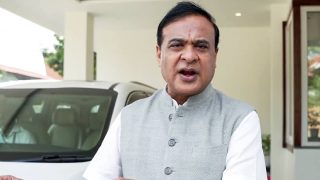


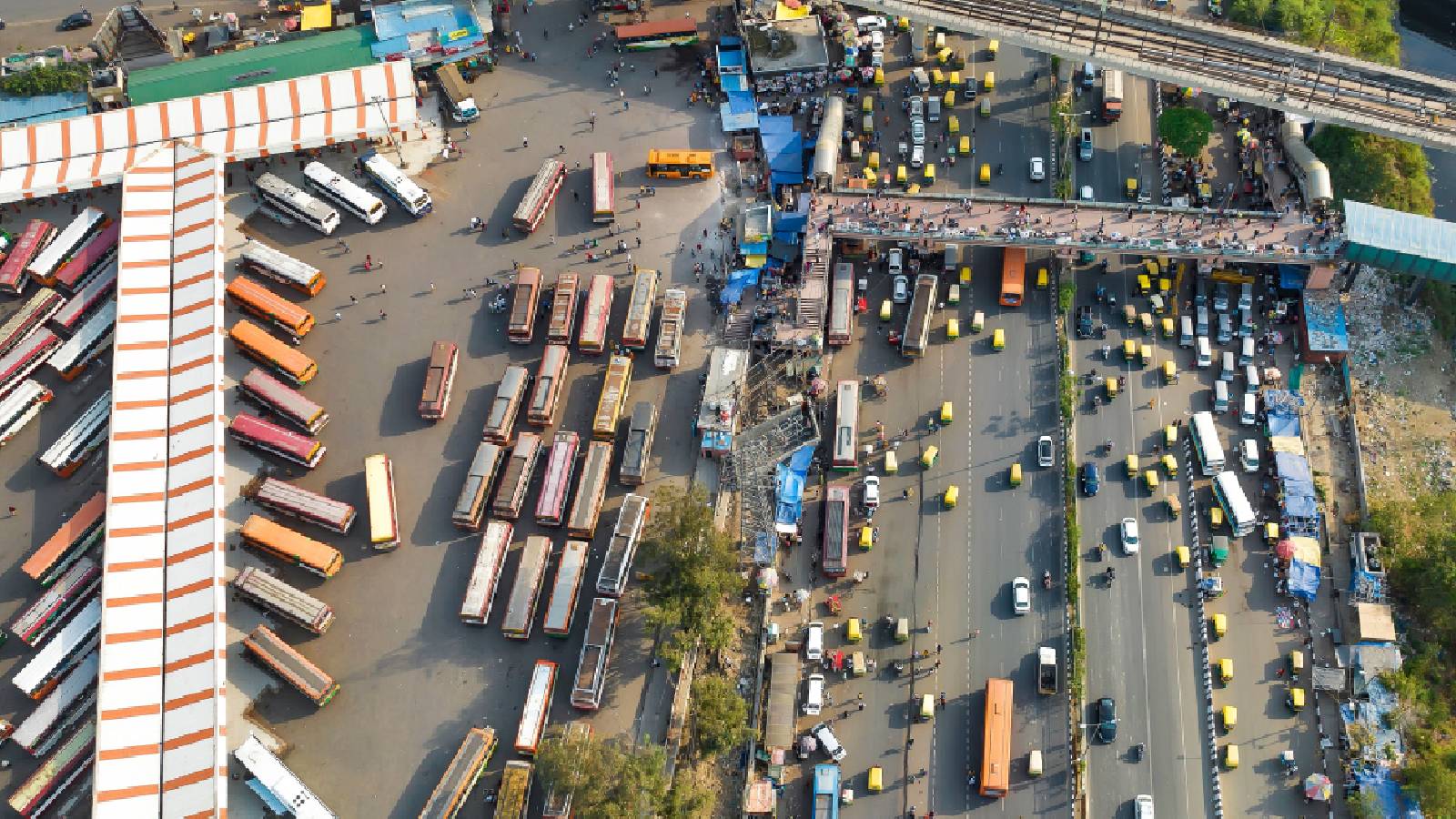


Bengaluru: Karnataka Transport Minister Byrathi Suresh announced the hikes in bus fares of four state-run transport corporations in the state, with KSRTC's fares going up by 23 per cent on average while BMTC fares increased by 33-35 per cent.
The revised rates will come into force from Wednesday midnight.
"We have not increased the fares to make a profit but to reduce losses and save corporations like KSRTC and BMTC," Minister Suresh said while speaking to reporters here on Wednesday.
The fare revision has been calculated stage-wise rather than on a uniform percentage basis, he added.
"In KSRTC, the increase ranges from Rs 4 to Rs 16 depending on the stages, while the maximum increase in ordinary bus fares is Rs 9," he said.
In BMTC, the minimum fare has gone up from Rs 6 to Rs 10 and the maximum from Rs 35 to Rs 45. Airport bus fares have been revised from Rs 185 to Rs 200 at the minimum and from Rs 405 to Rs 425 at the maximum.
"The average increase in KSRTC fares is around 23 per cent, not 40 per cent. In BMTC, where the financial losses are considerably higher, the increase is around 33 to 35 per cent," Suresh said.
He said a committee headed by retired IAS officer Atul Kumar Tiwari had recommended an overall fare increase of 45 per cent, while the boards of the corporations had sought increases of up to 90 per cent in some cases.
The government, however, had not accepted the recommendations in full, he said.
The minister attributed the revision to rising diesel prices and employee salary expenditure, saying the diesel price had increased by Rs 10.47 per litre since May 2025 to Rs 98.13.
The four corporations currently have outstanding diesel bills of Rs 1,111.88 crore and spend around Rs 5,694 crore annually on fuel, he said.
"The four corporations are running at a loss. We have not increased fares to make profits. We have only tried to reduce the losses," he said, adding that the corporations had an annual revenue of around Rs 14,000 crore against expenditure of nearly Rs 16,000 crore.
Suresh said the fare from Bengaluru's Majestic bus stand to Nelamangala and Hoskote had increased from Rs 35 to Rs 44, while fares to Doddaballapur and Anekal had gone up from Rs 38 to Rs 47. The fare to Magadi and Malur had increased from Rs 46 to Rs 57. "The KSRTC express bus fare from Bengaluru to Kolar had risen from Rs 81 to Rs 100," he added.
For long-distance services, the minimum fare has increased from Rs 15 to Rs 20, while the fare for a 60-km journey has gone up from Rs 75 to Rs 90. The maximum Vayu Vajra airport bus fare has increased from Rs 405 to Rs 425.
Fares of luxury and air-conditioned services such as Rajahamsa, which operate on commercial terms, have not been revised under the exercise, he said.
Monthly and daily pass rates will also be increased, with the respective corporations expected to provide the revised details.
The minister also rejected claims that the Shakti scheme, under which women travel free on non-luxury government buses, was causing losses to the corporations.
"This is totally false. The government reimburses all four corporations for the tickets used by women passengers," he said.
The minister explained that around 74.40 lakh women travelled free every day under the scheme.
"Payments could be delayed, but the corporations were reimbursed by the government," he said.
He said the government had released Rs 16,594 crore to the four corporations between 2023-24 and October 2026, while Rs 6,300 crore was yet to be paid under various schemes.
The four corporations operate around 26,125 buses, run 24,179 daily schedules and carry an average of 1.24 crore passengers a day, Suresh said.
Around 1.02 lakh employees work in the corporations.
The minister said fares should ideally be revised periodically in line with increases in diesel prices, salaries and dearness allowance, pointing out that a 2021 committee headed by retired IAS officer M R Srinivas Murthy had also recommended regular revisions and a public transport fare regulatory committee.