


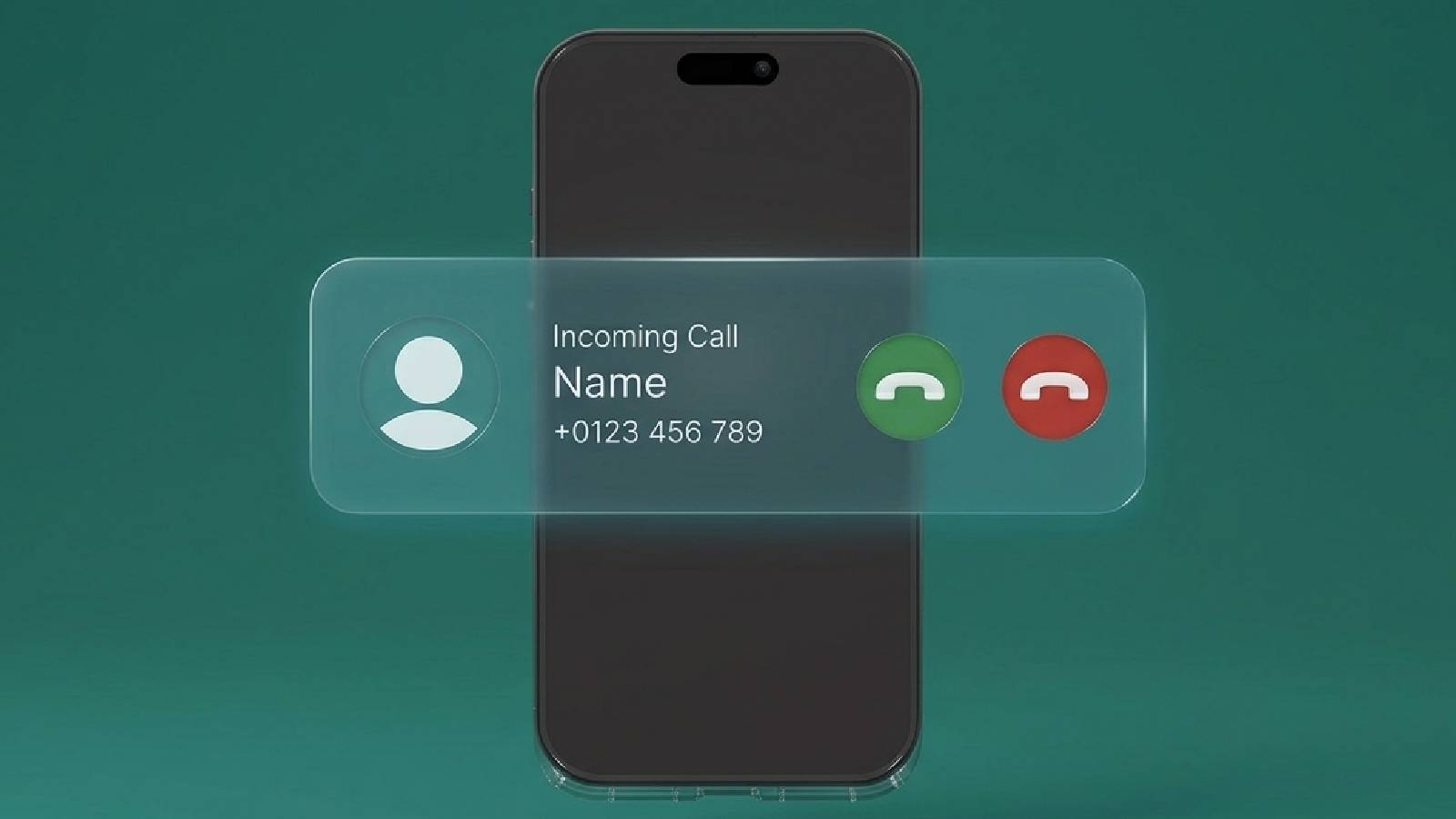


Since November 1, telecom service providers in India are required to provide a service known as Calling Name Presentation (CNAP) - one that shows names along with phone numbers by default for incoming calls. The service has been rolled out as per a directive of the Department of Telecommunications (DoT) dated October 13.
The Department, in a circular, noted that such a feature will help curb spam calls and increase the likelihood of genuine calls being picked up.
What is CNAP?
CNAP will display the name of the caller as found in the database of the telecom operator - like BSNL, Airtel, Jio - the caller relies on. The displayed name will be the one that the caller used to sign up for or subscribe to the services of the operator.
This makes CNAP a supplementary service that works alongside telecom networks. Unlike Truecaller that provides caller ID and other communication-based features, CNAP does not require an internet connection or an independent application.
How does CNAP work?
As per the directives issued, all licensed service providers are required to keep a database containing subscribers' names against their phone numbers.
When a user receives a call, the telecom operator of the end user searches through the database of the operator relied on by the caller, retrieves the registered name and presents it to the one who is being called.
On what networks will the service be rolled out?
CNAP will be available on phones operating on 4G and higher-generation networks. Whether the service will be rolled out across 3G and 2G networks will be decided separately by the authorities.
What if the call is from a saved contact?
If the call is from a saved contact, then the name you have saved will be shown, as usual.
The name from the database of the telecom provider will be pulled only if the call comes from a number that has not been saved in your phonebook.
What about international calls?
For calls originating overseas, the service will show the tag ‘International Call’ instead of the name of the caller. Thus, CNAP is a service meant to identify calls originating in India.
What about businesses?
For calls from businesses or subscribers holding bulk, the service provides the option to display a preferred name instead of the name associated with the business in the subscriber records of the operator.
As per a circular of the Department of Telecommunications, the preferred name opted by the business must be either a trademark name filed with the Ministry of Corporate Affairs, a name registered with the Goods and Services (GST) Council or any other name registered with the Government of India.
The preferred name has to be registered with telecom providers with the provision of necessary documents by the businesses in question. The option for the display of a preferred name is useful for businesses whose name on an operator’s records differs from the name the business is commonly known by.
What if you do not want your name to be displayed?
Calling Line Identification Restriction (CLIR) is a feature that lets you mask your identity during calls.
The names of users who have opted for such a service will not be shown during calls, even after CNAP is rolled out. Furthermore, if you do not want your name displayed, you can opt in for CLIR.
Why display names by default?
The DoT, in a circular dated 26 September 2025, stated that the rationale for displaying caller names by default is to let users make an informed choice regarding the picking up of incoming calls.
The feature has been turned on by default as letting millions of users know about such a feature for them to decide whether they want to opt in or not involves considerable effort, the Department noted. However, for users who do not wish to have names of callers displayed on their screens by default, an option to opt out of the service.
How does CNAP differ from apps like Truecaller?
The major difference between CNAP and an app like Truecaller is that the latter requires the installation of a separate application for it to work. However, with CNAP, the service runs along established telecom networks and requires no additional downloads.
Another major difference is how the names are sourced. While apps like Truecaller rely on crowdsourced data, CNAP relies on records kept by telecom operators, thereby increasing chances of a more accurate display of names.
Key Benefits of CNAP
- Curbing Cybercrime: CNAP makes it much harder for cybercriminals and scammers to masquerade as legitimate entities with the display of names registered alongside a phone number.
- Transparency: Users can instantly differentiate between an important call from an unknown service provider and potential phishing attempts.
- Universal Accessibility: As stated above, the supplementary service protects all kinds of mobile users - including those on basic smartphones that may not support heavy third-party security apps.