

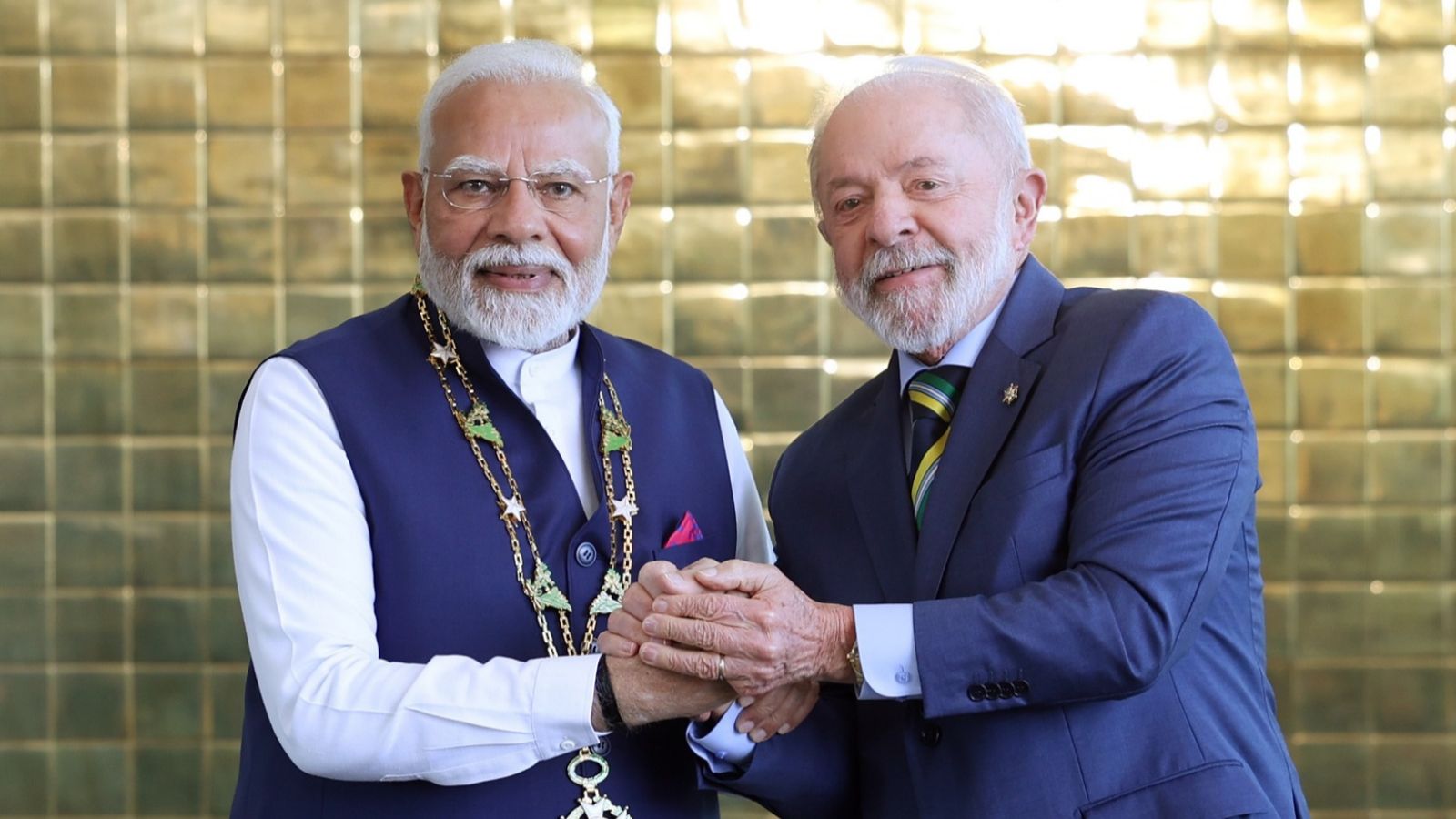


India's 'dearest friend' Brazilian President Luiz Inácio Lula da Silva has won a fourth, non-consecutive term, defeating his rival, Flávio Bolsonaro.
As celebrations spread across Brazil, Lula’s victory is being seen as a win-win for both countries, with his re-election expected to ensure continuity in Brazil’s ties with India.
Indian Prime Minister Narendra Modi congratulated Lula on October 26, saying he looked forward to deepening the India-Brazil strategic partnership and advancing shared priorities of the Global South.
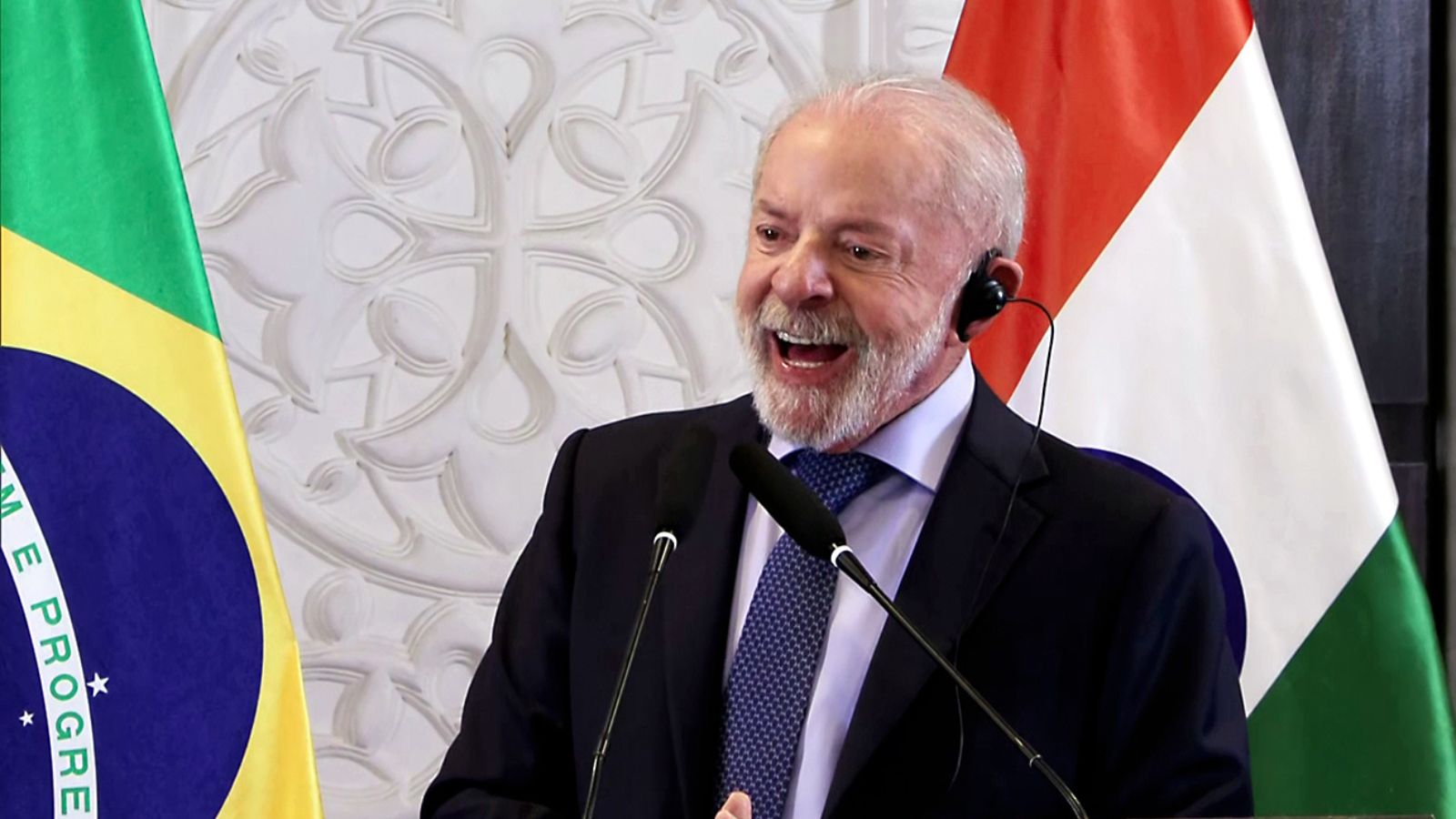
For India, Lula’s victory means an opportunity to build on existing agreements, expand exports and diversify critical-mineral supplies. The benefits will depend on how effectively both countries turn their commitments into trade, investment and joint projects.
Here’s how Lula’s win could shape India’s interests across key sectors.
Trade: A $30-billion target
India and Brazil recorded bilateral trade worth $15.07 billion in the 2025-26 financial year as per the Ministry of External Affairs (MEA). Both countries aim to increase this to $30 billion by 2030.
India exports pharmaceuticals, petroleum products, chemicals, agrochemicals and engineering goods to Brazil. It imports crude oil, soybean oil, sugar, cotton and iron ore.
Expanding the India-MERCOSUR trade agreement could improve market access for Indian businesses and help increase exports. Pharmaceuticals, chemicals, engineering goods and machinery are among the sectors identified for greater cooperation.
Critical minerals: An alternative to China
India and Brazil signed agreements on rare earths and critical minerals during Lula’s February 2026 visit to India. They also agreed to cooperate on mining and minerals for the steel supply chain.
Brazil’s mineral resources could help India diversify supplies needed for manufacturing, electronics and clean-energy technologies. This matters because China dominates global rare-earth processing.
However, developing alternative supply chains will require investment in exploration, mining, processing and transport infrastructure. The agreements provide a framework for cooperation, with their impact depending on the projects that follow.
Energy: Cooperation on cleaner fuels
India and Brazil are exploring cooperation in renewable energy, ethanol blending and sustainable aviation fuel.
Brazil’s experience with biofuels could support India’s efforts to expand alternative fuels and reduce dependence on conventional energy sources. The two countries also have interests in hydrocarbons, creating scope for further commercial cooperation.
Defence, pharmaceuticals and technology
India and Brazil have an established defence cooperation framework, including a bilateral agreement signed in 2003. Closer ties could create opportunities for defence equipment, maintenance, components and technology partnerships.
Pharmaceuticals are another important area. Greater market access in Brazil could help Indian drugmakers expand their presence in Latin America.
The two countries are also exploring cooperation in digital technology, artificial intelligence, semiconductors and digital public infrastructure. These areas could open opportunities for businesses and research institutions in both countries.
Lula’s win and the future of BRICS
India and Brazil share an interest in giving developing countries a greater voice in global affairs. Both work through BRICS and the G20 and support reforms to global institutions, including the United Nations Security Council.
Lula’s re-election also means continuity in Brazil’s engagement with BRICS. His rival, Flávio Bolsonaro, said in a June interview that he would reassess Brazil’s membership if elected, accusing the bloc of becoming an ideological vehicle against Washington.
A Bolsonaro presidency could therefore have raised questions about Brazil’s future role in BRICS. Lula’s victory keeps the existing approach in place, although India and Brazil may not agree on every international issue.

What happens next?
Lula’s victory does not create these opportunities from scratch. Many of the trade, mineral and technology agreements were already in place before the election.
For India, the next phase could bring higher exports, more diversified mineral supplies, cleaner-energy cooperation and closer defence and technology ties.
Progress will depend on market access, investment and the implementation of existing agreements.
Lula’s fourth term gives both countries an opportunity to build on their partnership. The key question is how much of that potential translates into concrete economic and strategic gains.