


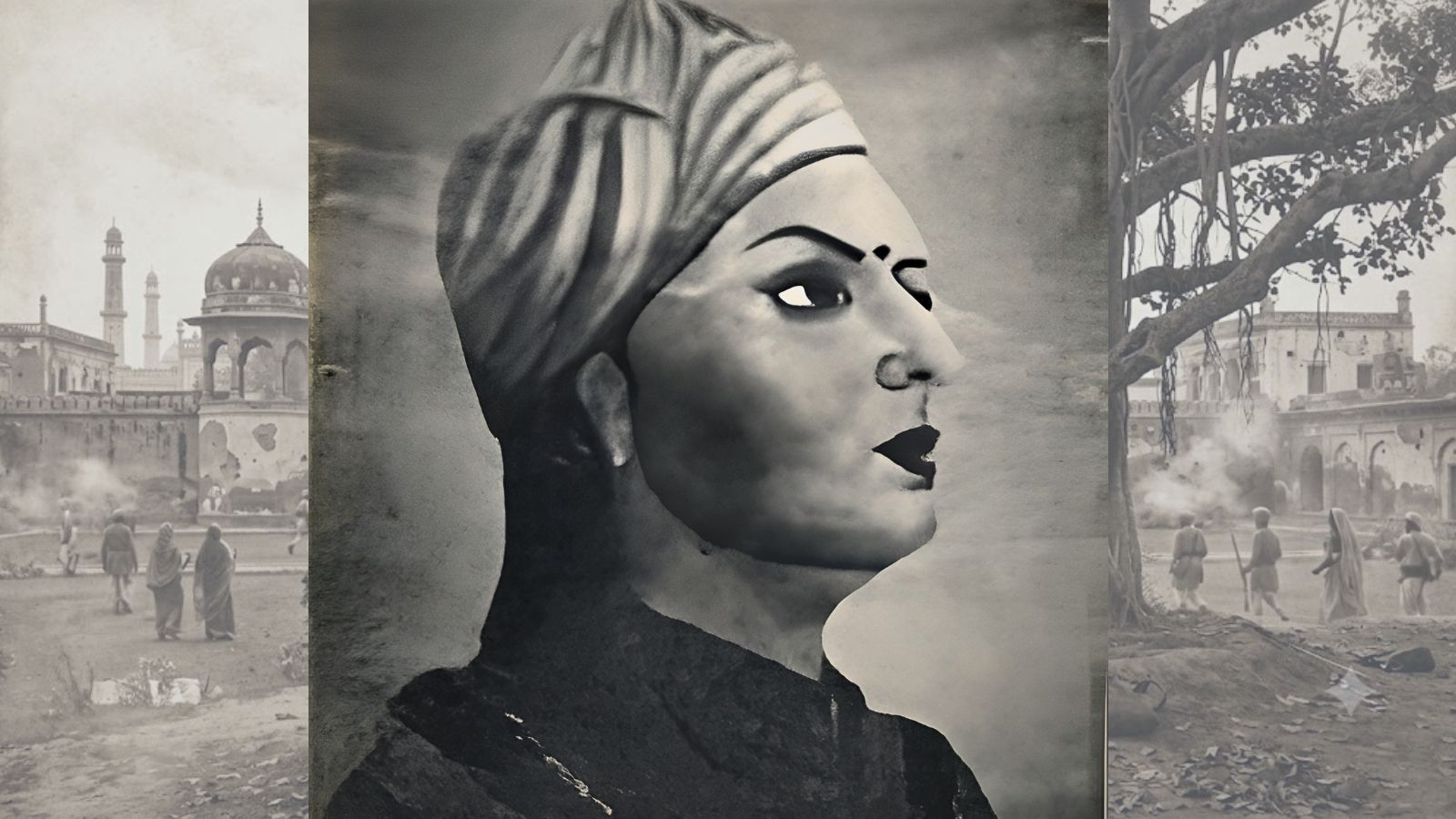


The Revolt of 1857 in India, often described as the country's First War of Independence, is remembered through figures such as Mangal Pandey, Rani Lakshmibai, and Kunwar Singh. Yet, the story of Uda Devi Pasi, a Dalit woman who fought British forces in Lucknow, remains less widely known.
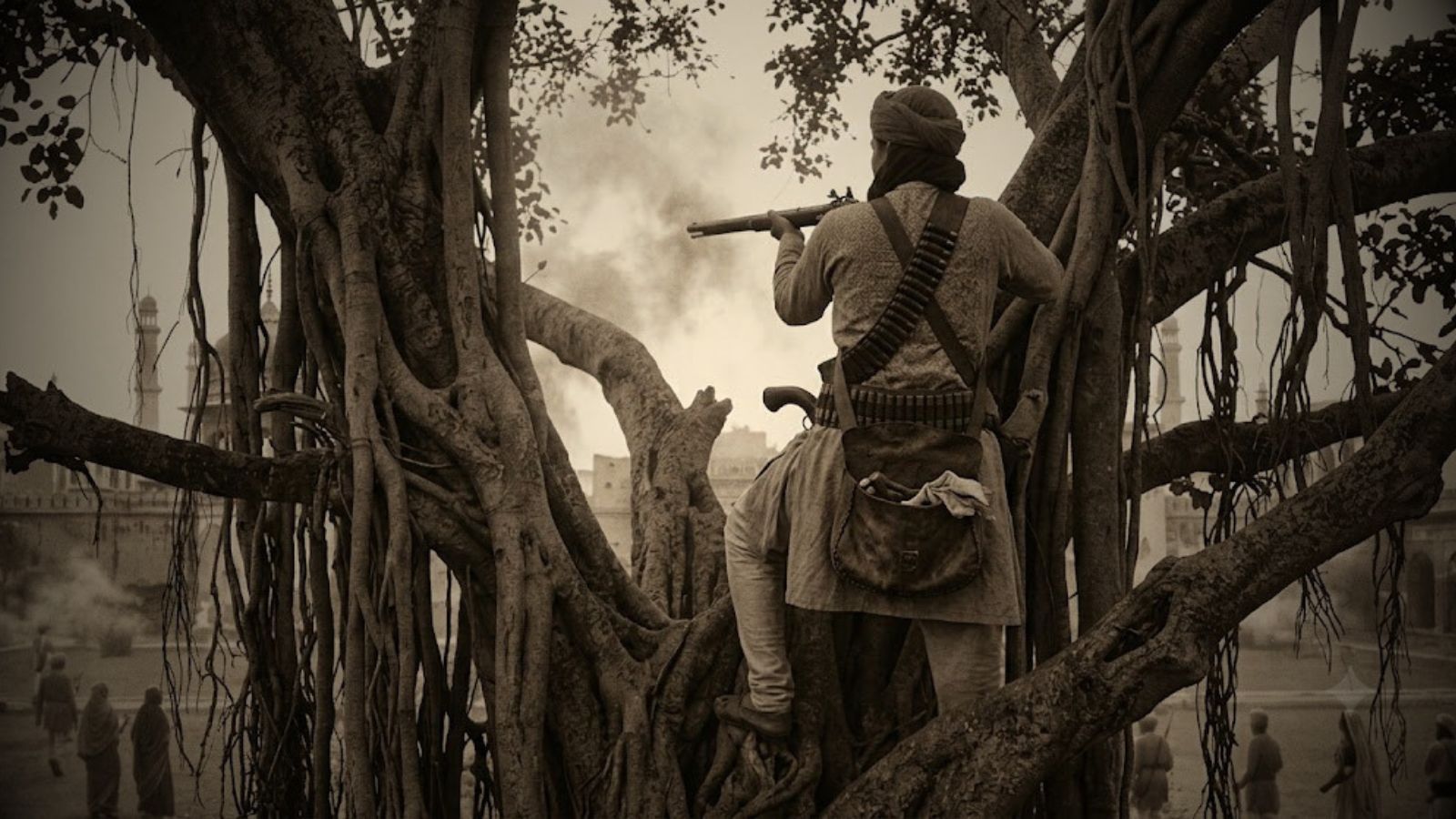
Uda Devi, trained in the women’s guard established by Nawab Wajid Ali Shah, joined the armed resistance led by Begum Hazrat Mahal in Awadh during the Revolt of 1857. Accounts of her life state that she helped form a women’s battalion with the Begum’s support. Accounts of the uprising describe Uda Devi as a skilled shooter who took up a position in a tree during the Battle of Sikandar Bagh in November 1857, targeting advancing British soldiers.
Her story raises questions about whose contributions are remembered in mainstream histories and whose remain on the margins. As a Dalit woman who challenged the social and gender conventions of her time, Uda Devi occupies an important place in the histories of resistance that have received comparatively little attention.
A woman who took up arms
Uda Devi was born into the Pasi community in the Awadh region, in present-day Uttar Pradesh. Details of her early life remain limited in the historical record. She was married to Makka Pasi, who served as a soldier in Nawab Wajid Ali Shah's army and was killed during the uprising, according to accounts of their lives.
The Revolt of 1857 spread across several parts of northern and central India, drawing participation from soldiers, rulers, peasants and other sections of society. In Awadh, Begum Hazrat Mahal became one of the leading figures of resistance against the British East India Company.
Uda Devi and other women who participated in the revolt challenged the expectations imposed on them by the social order of the time. Their stories also highlight the role played by marginalised communities in the resistance to British rule.
The hidden sniper
British forces under General Colin Campbell advanced towards Sikandar Bagh, where Indian rebels had established a strong position. The ensuing battle was fierce, with heavy casualties among the combatants.
Accounts of the battle describe a mysterious shooter firing at British soldiers from a tree. Unable to identify the source of the gunfire, British troops eventually noticed that several casualties had sustained wounds, suggesting that the shots had come from above.
Suspecting that a shooter was concealed in the tree, soldiers fired towards its branches. The person brought down was subsequently identified as Uda Devi Pasi, according to accounts of the encounter.
In Reminiscences of the Great Mutiny, British soldier William Forbes-Mitchell described Uda Devi as carrying two old-pattern cavalry pistols, with one still loaded and her ammunition pouch partly full. He wrote that she had killed more than half a dozen men from her position in the tree.
Other accounts, particularly those preserved in Dalit histories and community memory, credit her with killing as many as 32 or 36 British soldiers. The precise number remains uncertain.
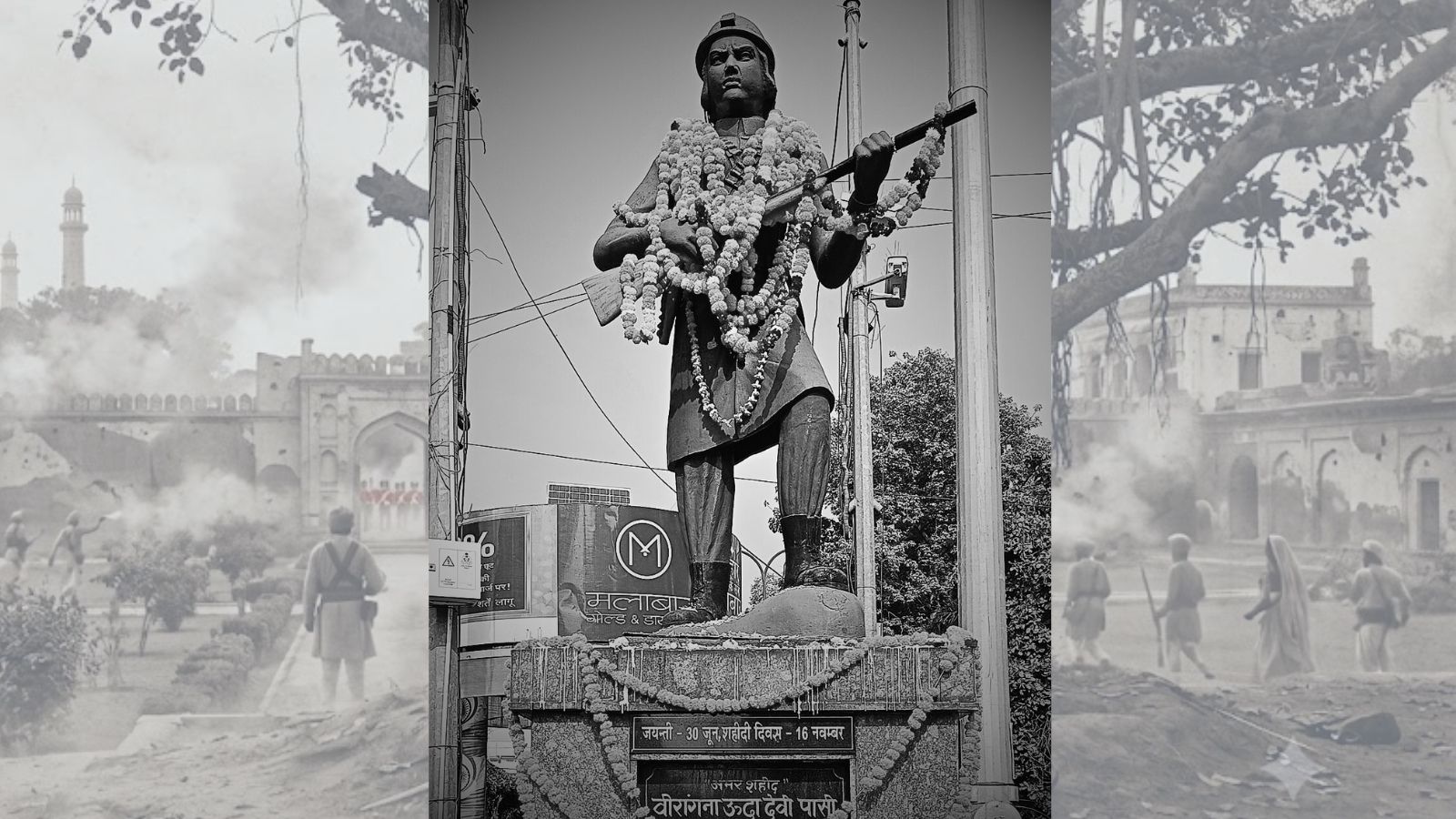
A statue of Uda Devi stands near Sikandar Bagh in Lucknow, commemorating her role in the uprising. Her death is remembered by members of the Pasi community, who gather around 16 November each year to pay tribute to her.
A place in history
Uda Devi’s legacy extends beyond the account of a woman who fought from a tree during a battle. Her story forms part of a wider effort to recognise the contributions of Dalit women and other marginalised groups whose roles in the Revolt of 1857 have received limited attention in mainstream historical narratives.
Her life also challenges conventional ideas about who could participate in armed resistance. At a time when both caste and gender shaped social expectations, Uda Devi became part of a struggle against colonial rule and is remembered as a symbol of courage and defiance.
In March 2021, the Uttar Pradesh government announced plans to name a women’s battalion of the Provincial Armed Constabulary after her.
Remembering Uda Devi Pasi is not simply about adding another name to the history of 1857. It is also about recognising the women and communities whose contributions deserve a more prominent place in the telling of India’s past.