




New Delhi: The World Meteorological Organization (WMO) on Thursday said that the prevailing El Nino conditions over the equatorial Pacific would continue to intensify ahead of its forecast peak in December.
This is likely to bring above-average temperatures to much of the globe and different regions, according to WMO’s latest monthly global seasonal climate update.
In a statement, WMO Secretary-General Celeste Saulo said, “El Nino is firmly established and strengthening rapidly. WMO forecasts indicate a near-100 per cent likelihood that it will persist through February 2027, potentially being one of the strongest since at least 1950.”
El Nino is one of the three phases of the El Nino Southern Oscillation (ENSO) -- a climate phenomenon characterised by changes in sea temperatures along the central and eastern tropical Pacific Ocean, accompanied by fluctuations in the atmosphere overhead.
While El Nino, which leads to less monsoon rainfall in India, is known to have a warming effect over the planet, its opposite phase, La Nina, usually results in a cooling effect. ENSO also has a neutral phase.
Note that the prevailing El Nino conditions are one of the key reasons why India received 87.4 per cent of the long period average (LPA) rainfall this southwest monsoon season (June-September).
While normal rainfall during the monsoon season is 868.6 mm, this year it was 759.4 mm over India.
As El Nino conditions continue to strengthen, they could have severe effects on India and its population and ecology. These include widespread bleaching and mortality of coral, an increase in wildfires, and the death of large rainforest trees.
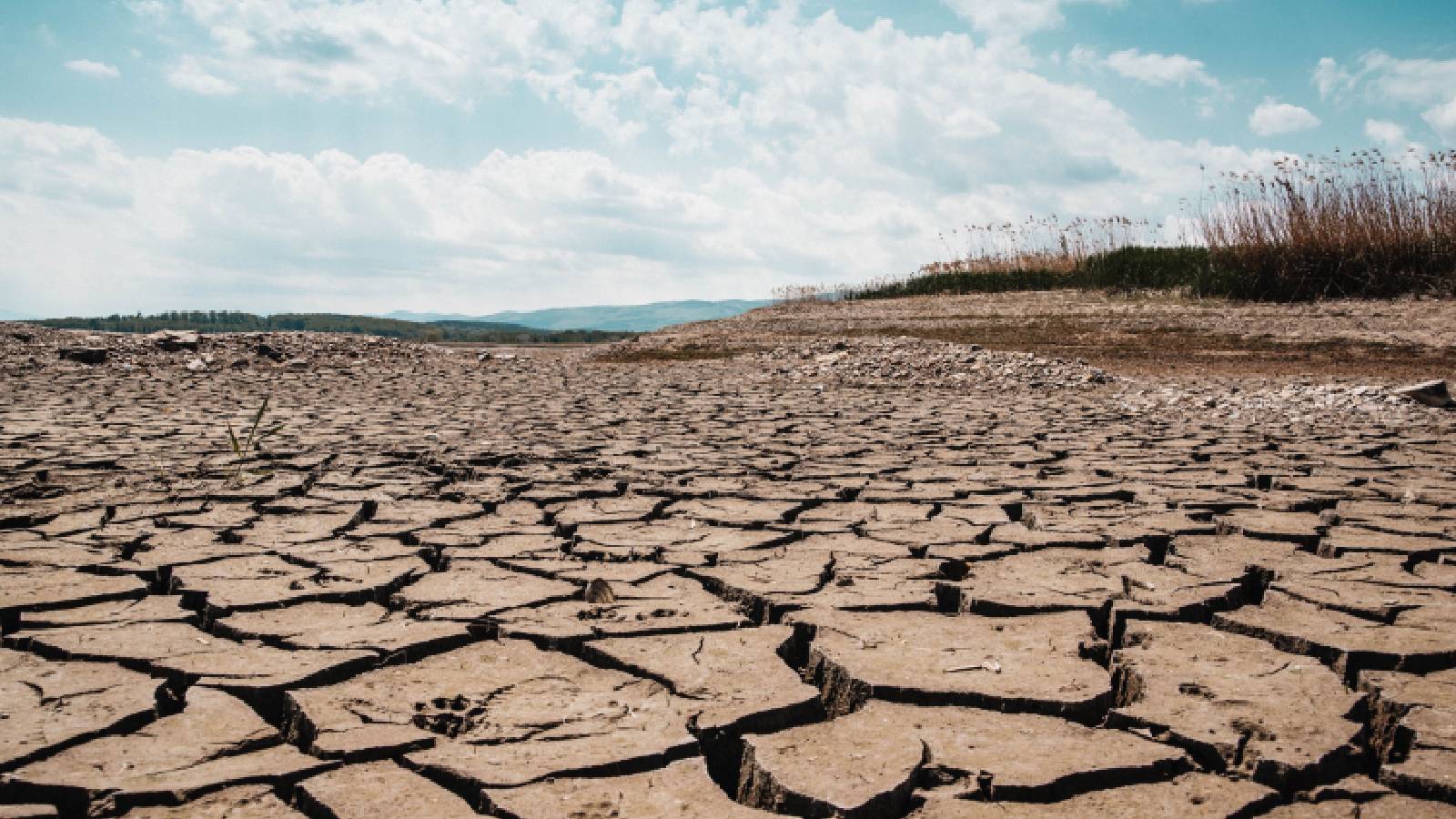
There is also a high probability of drought and extreme heat conditions, which could be catastrophic for India’s farmers, fishers and shepherds as well.